Explore top 10 tips to secure your open-source projects now. Read More
×


Linux 6.12-rc6 Performance Enhancements & Security Updates Overview
 Nov 05, 2024
•
Nov 05, 2024
•
 Brittany Day
2 - 4 min read


Open-source software continues to advance rapidly, and Linux remains at the forefront. Linus Torvalds has officially unveiled release candidate 6.12-rc6, featuring many performance optimizations and critical fixes. In this article, I'll delve deeper into the key improvements, benefits, and notable features introduced within this release candidate.
To quote Torvalds himself: "We have now completed nearly everything planned for the 6.12 release. While this release candidate might seem larger than usual, this reflects all of the bug fixes and optimizations we've added over time."
Critical Fixes and Optimizations in Linux 6.12-rc6
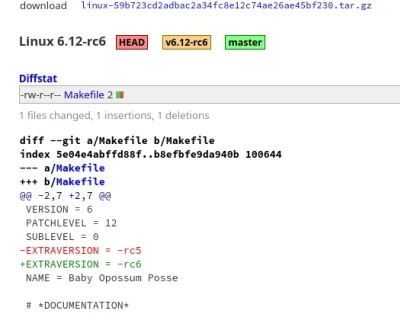 Source: Phoronix The 6.12-rc6 release of Linux features several significant fixes and optimizations, most notably in memory management, scheduler improvements, filesystem fixes, and network stack enhancements. Developers have made changes within memory management to reduce latency and enhance memory allocation efficiency. These modifications help manage large memory pages better while optimizing performance for memory-intensive apps. Linus Torvalds has noted that users should notice an improvement in application responsiveness and overall system performance as a result of these tweaks.
Linux scheduler upgrades include increased granularity to improve CPU utilization, decrease context-switch overhead, and more efficient task scheduling on multicore and multithreaded systems. Torvalds noted these upgrades would benefit those running CPU-intensive workloads and result in smoother performance across various applications.
Linux 6.12-rc6 brings essential improvements for filesystems ext4, Btrfs, and XFS that address performance bottlenecks and stability issues. In particular, improvements were made in filesystem check and repair utilities on ext4 to improve data integrity and recovery times, something Torvalds highlighted as essential for providing reliable storage experiences.
The Linux 6.12-rc6 network stack has also been modified to optimize throughput and reduce latency for applications that rely on network traffic, such as servers and cloud services. This includes better packet processing handling, reduced overhead costs, and enhanced security measures.
What Are the Benefits of These Changes?
The fixes and optimizations introduced with Linux 6.12-rc6 offer numerous advantages. One of the primary advantages is improved performance, thanks to memory and scheduler enhancements that lead to faster and more efficient application performance, especially for memory and CPU-bound tasks. Additionally, filesystem fixes contribute to greater stability by guaranteeing greater data integrity, decreasing risks associated with data corruption, and speeding recovery times. Effective resource utilization is another significant advantage, with scheduler and network stack optimizations providing more efficient use of CPU and network resources, improving overall system performance. Furthermore, changes aim to reduce latency in memory management and the network stack to provide a smoother user experience.
Notable Features in Linux 6.12-rc6
 Linux 6.12-rc6's notable features cover many important areas. One notable highlight is support for new hardware, as this release brings compatibility with new processors, GPUs, and other components, giving users access to cutting-edge technological innovations. Linus Torvalds stressed the importance of maintaining current hardware support, stating that each release aims to support new devices, and 6.12-rc6 is no exception.
Security improvements are another hallmark of this release. The 6.12-rc6 version includes several security enhancements, such as improved mitigation techniques for speculative execution vulnerabilities like Spectre and Meltdown and better handling of user-space memory access. Torvalds stressed the dynamic nature of security efforts as a field, with continuous efforts to stay ahead of potential threats or vulnerabilities and ensure the Linux kernel remains resilient against them all.
Power management enhancements stand out in Linux 6.12-rc6 as well. Developers have optimized power efficiency across desktop and server environments, improving efficiency without compromising performance - particularly beneficial for battery-operated devices and energy-conscious data centers. Torvalds stated that balancing performance and power consumption is vital; hence, this release's power management upgrades cater to various use cases.
Our Final Thoughts on These Fixes & Improvements
Linux 6.12-rc6 marks a significant step forward in the evolution of the Linux kernel. It offers numerous performance optimizations and fixes to enhance user experience, improve stability and security, and meet ever-evolving user needs. These changes cover everything from memory management improvements to scheduler enhancements, filesystem fixes, and network stack optimizations, ensuring that this release fully meets users' demands and needs.
Linus Torvalds aptly stated, "Every release represents hard work and collaboration across the global Linux community, and 6.12-rc6 marks another step on our journey towards building the best operating system kernel possible. We thank everyone involved and hope these improvements bring tangible benefits for users worldwide."
With Linux 6.12-rc6, the future of open-source operating systems looks brighter than ever, underscoring its widespread and trusted use by millions worldwide.
 PREVIOUS

 NEXT
NEXT



Powered By

Linux Security - Your source for Top Linux News, Advisories, HOWTOs and Feature Releases
QUICK LINKS
subscribe to newsletters!
Like staying secure? So do we.
Sign up for updates, tips, and alerts!