Explore top 10 tips to secure your open-source projects now. Read More
×


APT Package Management Overview in Debian Linux Systems
 Mar 23, 2026
•
Mar 23, 2026
•
 MaK Ulac
4 - 7 min read

What Is APT in Linux?
APT is the package management system used in Debian-based Linux distributions to install, update, and remove software.
It runs through commands like apt install, pulling software from configured sources instead of downloading it manually. When a program needs other components to work, those are installed at the same time, so nothing is left incomplete.
APT sits between the command and the system. It checks what’s already installed, looks at what’s available, and works out the full set of changes before starting the install.
That’s why packages usually install cleanly. Everything is resolved first, so you don’t end up chasing missing pieces after the fact.
Why APT Is Important for Linux Users
APT matters because it keeps software installs from turning into maintenance work later.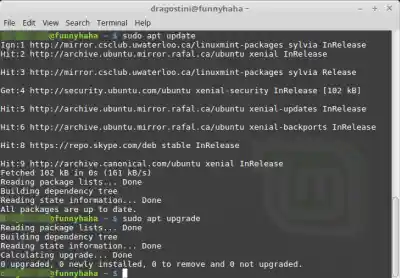
-
Centralized software management: Everything comes from defined sources. Instead of downloading programs manually, a linux package manager like APT keeps software organized in one place so it’s easier to track and manage.
-
Automatic dependency handling: Software rarely runs alone. APT pulls in what’s needed alongside it, so installs don’t fail because something small was missed.
-
Consistent updates and patching: The same system that installs software also updates it. Packages stay in sync, and patching doesn’t drift into manual fixes over time.
-
Reduced risk vs manual installs: Most issues come from partial installs or version mismatches. APT resolves that up front, so changes land cleanly instead of leaving cleanup behind.
It’s not just about installing software. It’s about keeping the system stable as more gets added over time.
How APT Works
APT follows a structured flow every time a command runs, which is really how APT works under the surface.
Repositories
APT doesn’t pull software from random websites. It checks configured sources, called repositories, which are maintained collections of packages the system trusts.
Each repository holds programs along with details about their versions and what they need to run. When a command runs, APT looks there first instead of reaching out blindly.
Package Lists and Updates
Before installing anything, APT needs to know what’s available.
That’s what sudo apt update does. It refreshes the local list of packages by syncing with those repositories, so the system knows what versions exist and what can be installed.
Without the update, APT works with outdated information, which is where install issues usually start.
Installation and dpkg
Once that list is current, installation becomes predictable.
APT figures out what the program needs, pulls those packages, and then passes everything to dpkg, which is the tool that actually installs the files onto the system.
APT handles the logic. dpkg handles the actual install.
Step
What Happens
User command
apt install or similar is triggered
APT
Reads package lists and resolves what is needed
Repositories
Provide package data and files
dpkg
Installs files onto the system
Result
Software is installed and usable
That flow is what keeps installs consistent. It’s a chain of controlled steps, not a single action firing in isolation.
APT vs apt-get: What’s the Difference?
The difference between apt and apt-get is that apt is a newer, user-facing command for managing packages, while apt-get is an older, lower-level tool commonly used in scripts.
Feature
apt
apt-get
User experience
Cleaner output, progress indicators, easier to follow during installs
Minimal output, built for consistency
Functionality
Groups common package tasks into one command
More explicit command set, each action separated
Best use case
Every day use on a system
Scripting, automation, and older guides
Most systems default to apt for regular work. apt-get tends to stay where output stability matters, like scripts or older automation that hasn’t been touched in a while.
Is APT Secure?
APT is secure in normal use, but only as long as the sources it pulls from stay controlled. It verifies packages before installing them, so software doesn’t just land on the system unchecked.
-
GPG signature verification: Packages are signed, and APT checks those signatures before anything is installed
-
Trusted repositories: By default, software comes from official sources that are maintained and monitored
-
Maintainer vetting: Packages go through packaging and review processes before they’re published
-
apt-secure: This is what enforces those checks and blocks anything that can’t be verified
The signature check is what actually holds this together. Packages are tied to known keys, and APT verifies those before install, so anything that doesn’t match gets stopped early.
Problems usually don’t come from APT itself. They show up when new sources get added or trust boundaries change, which is where it starts to matter.
Frequently Asked Questions About APT
These tend to come up once installs are working and attention shifts to what’s actually being trusted.
Can you get a virus from apt-get install?
Not if it’s coming from a trusted repository. Packages are signed and verified before installation, so random malware doesn’t just get pulled in.
It changes when the source changes. If a repository isn’t trustworthy, APT will still install from it once it’s added, and that’s where bad packages can come through.
Why should you trust APT?
APT doesn’t install blindly. It checks packages against known keys and only proceeds if they match what the repository claims.
That trust is layered. Maintainers, signed packages, and controlled repositories all play a role, so it’s not relying on a single check.
How does APT verify packages?
Each package is signed with a key. APT checks that signature against its trusted key list before installing anything.
If it doesn’t match, the install stops. That’s how modified or tampered packages get caught.
Is APT safer than downloading software manually?
In most cases, yes. APT pulls from known sources, verifies what it installs, and resolves everything the software needs ahead of time.
Manual installs skip those checks. That’s where missing files, bad versions, or modified downloads start showing up.
What happens if you add an untrusted repository?
APT will treat it like any other source once it’s trusted. That’s the part people miss.
At that point, it can install whatever the repository provides, which is how unstable or malicious packages end up on the system.
Final Thoughts on APT Security
APT ends up being one of those tools that fades into the background once it’s working. It handles installing, updating, and keeping software consistent without turning every change into manual work, which is really the point behind what APT is in Linux in the first place.
It’s also why the question of is apt safe doesn’t have a simple yes or no. The system itself is built to verify and control what gets installed, but that only holds if the sources stay trusted and the setup isn’t bypassed. Keep it simple, stick to known repositories, and most of the risk never shows up.
APT is the package management system used in Debian-based Linux distributions to install, update, and remove software.
It runs through commands like apt install, pulling software from configured sources instead of downloading it manually. When a program needs other components to work, those are installed at the same time, so nothing is left incomplete.
APT sits between the command and the system. It checks what’s already installed, looks at what’s available, and works out the full set of changes before starting the install.
That’s why packages usually install cleanly. Everything is resolved first, so you don’t end up chasing missing pieces after the fact.
Why APT Is Important for Linux Users
APT matters because it keeps software installs from turning into maintenance work later.
- Centralized software management: Everything comes from defined sources. Instead of downloading programs manually, a linux package manager like APT keeps software organized in one place so it’s easier to track and manage.
- Automatic dependency handling: Software rarely runs alone. APT pulls in what’s needed alongside it, so installs don’t fail because something small was missed.
- Consistent updates and patching: The same system that installs software also updates it. Packages stay in sync, and patching doesn’t drift into manual fixes over time.
- Reduced risk vs manual installs: Most issues come from partial installs or version mismatches. APT resolves that up front, so changes land cleanly instead of leaving cleanup behind.
It’s not just about installing software. It’s about keeping the system stable as more gets added over time.
How APT Works
APT follows a structured flow every time a command runs, which is really how APT works under the surface.
Repositories
APT doesn’t pull software from random websites. It checks configured sources, called repositories, which are maintained collections of packages the system trusts.
Each repository holds programs along with details about their versions and what they need to run. When a command runs, APT looks there first instead of reaching out blindly.
Package Lists and Updates
Before installing anything, APT needs to know what’s available.
That’s what sudo apt update does. It refreshes the local list of packages by syncing with those repositories, so the system knows what versions exist and what can be installed.
Without the update, APT works with outdated information, which is where install issues usually start.
Installation and dpkg
Once that list is current, installation becomes predictable.
APT figures out what the program needs, pulls those packages, and then passes everything to dpkg, which is the tool that actually installs the files onto the system.
APT handles the logic. dpkg handles the actual install.
|
Step |
What Happens |
|
User command |
apt install or similar is triggered |
|
APT |
Reads package lists and resolves what is needed |
|
Repositories |
Provide package data and files |
|
dpkg |
Installs files onto the system |
|
Result |
Software is installed and usable |
That flow is what keeps installs consistent. It’s a chain of controlled steps, not a single action firing in isolation.
APT vs apt-get: What’s the Difference?
The difference between apt and apt-get is that apt is a newer, user-facing command for managing packages, while apt-get is an older, lower-level tool commonly used in scripts.
|
Feature |
apt |
apt-get |
|
User experience |
Cleaner output, progress indicators, easier to follow during installs |
Minimal output, built for consistency |
|
Functionality |
Groups common package tasks into one command |
More explicit command set, each action separated |
|
Best use case |
Every day use on a system |
Scripting, automation, and older guides |
Most systems default to apt for regular work. apt-get tends to stay where output stability matters, like scripts or older automation that hasn’t been touched in a while.
Is APT Secure?
APT is secure in normal use, but only as long as the sources it pulls from stay controlled. It verifies packages before installing them, so software doesn’t just land on the system unchecked.
- GPG signature verification: Packages are signed, and APT checks those signatures before anything is installed
- Trusted repositories: By default, software comes from official sources that are maintained and monitored
- Maintainer vetting: Packages go through packaging and review processes before they’re published
- apt-secure: This is what enforces those checks and blocks anything that can’t be verified
The signature check is what actually holds this together. Packages are tied to known keys, and APT verifies those before install, so anything that doesn’t match gets stopped early.
Problems usually don’t come from APT itself. They show up when new sources get added or trust boundaries change, which is where it starts to matter.
Frequently Asked Questions About APT
These tend to come up once installs are working and attention shifts to what’s actually being trusted.
Can you get a virus from apt-get install?
Not if it’s coming from a trusted repository. Packages are signed and verified before installation, so random malware doesn’t just get pulled in.
It changes when the source changes. If a repository isn’t trustworthy, APT will still install from it once it’s added, and that’s where bad packages can come through.
Why should you trust APT?
APT doesn’t install blindly. It checks packages against known keys and only proceeds if they match what the repository claims.
That trust is layered. Maintainers, signed packages, and controlled repositories all play a role, so it’s not relying on a single check.
How does APT verify packages?
Each package is signed with a key. APT checks that signature against its trusted key list before installing anything.
If it doesn’t match, the install stops. That’s how modified or tampered packages get caught.
Is APT safer than downloading software manually?
In most cases, yes. APT pulls from known sources, verifies what it installs, and resolves everything the software needs ahead of time.
Manual installs skip those checks. That’s where missing files, bad versions, or modified downloads start showing up.
What happens if you add an untrusted repository?
APT will treat it like any other source once it’s trusted. That’s the part people miss.
At that point, it can install whatever the repository provides, which is how unstable or malicious packages end up on the system.
Final Thoughts on APT Security
APT ends up being one of those tools that fades into the background once it’s working. It handles installing, updating, and keeping software consistent without turning every change into manual work, which is really the point behind what APT is in Linux in the first place.
It’s also why the question of is apt safe doesn’t have a simple yes or no. The system itself is built to verify and control what gets installed, but that only holds if the sources stay trusted and the setup isn’t bypassed. Keep it simple, stick to known repositories, and most of the risk never shows up.
 PREVIOUS

 NEXT
NEXT

Powered By

Linux Security - Your source for Top Linux News, Advisories, HOWTOs and Feature Releases
QUICK LINKS
subscribe to newsletters!
Like staying secure? So do we.
Sign up for updates, tips, and alerts!