Explore top 10 tips to secure your open-source projects now. Read More
×


Container Security Misconfigurations That Still Go Unnoticed
 May 07, 2026
•
May 07, 2026
•
 MaK Ulac
4 - 8 min read
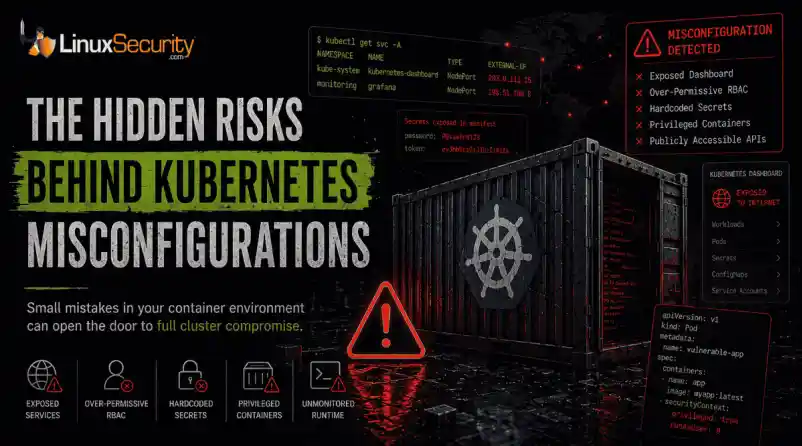

Container security has long carried a reputation for resilience, but attackers have increasingly shifted their focus toward something easier to exploit: the Kubernetes environments surrounding the containers themselves.
Instead of breaking Kubernetes directly, attackers are abusing exposed dashboards, overly broad permissions, insecure APIs, and containers running with far more access than they actually need. Many of these weaknesses are not hidden particularly well. They survive because clusters change constantly, deployments move quickly, and temporary configurations often remain in place long after production rollout.
The pattern has become increasingly common across cloud environments. A service account keeps cluster-admin privileges after troubleshooting. A management dashboard stays exposed after testing. API keys end up sitting directly inside YAML manifests. Individually, these mistakes look minor. Combined, they create an attack surface that attackers now constantly scan for.
What Is a Container Misconfiguration?
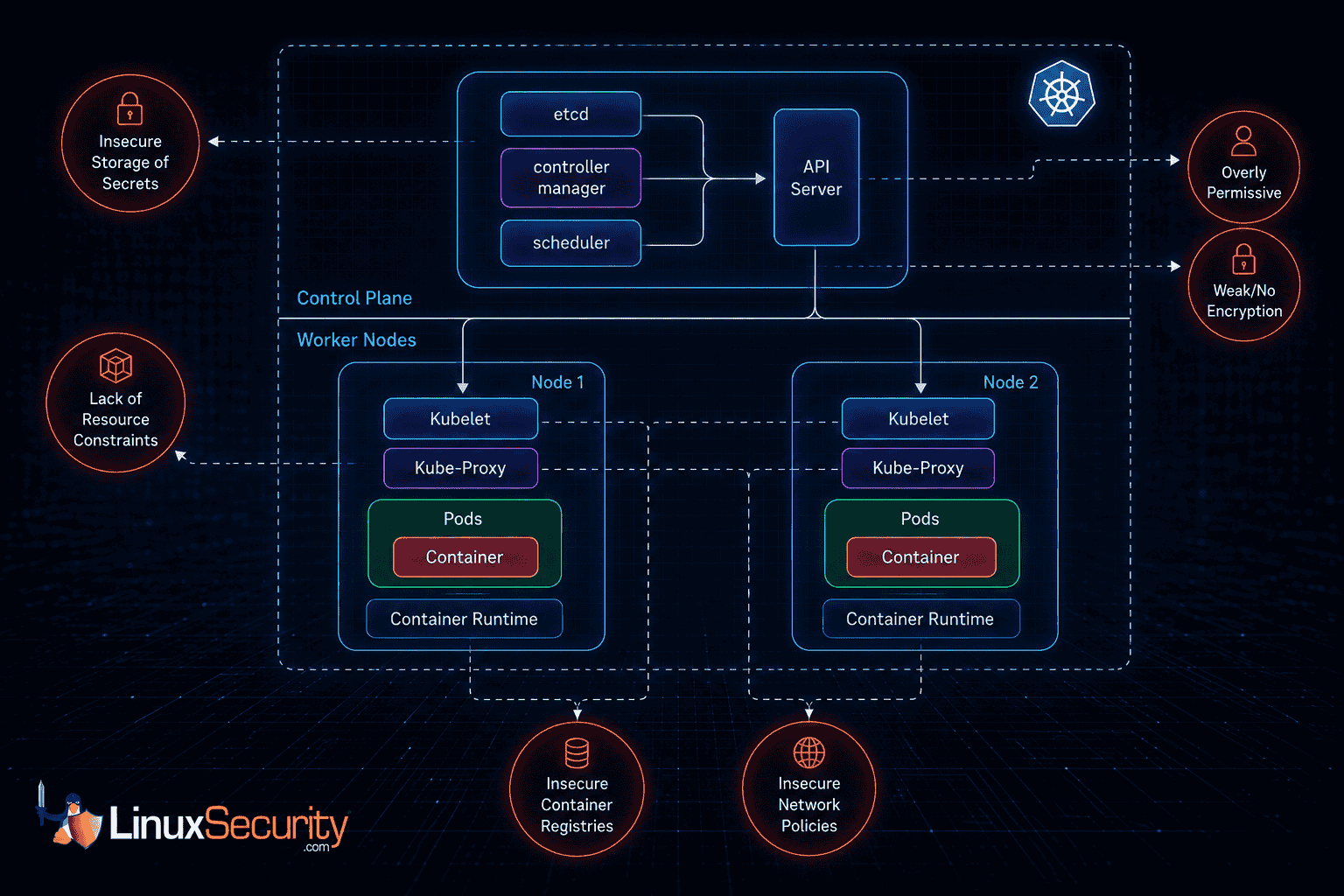
At its core, a misconfiguration is just an environment left insecure by mistake. It usually stems from settings that are far too open or protections that were simply never toggled on.
This usually happens during the "move fast and break things" phase of a deployment. A team needs an application online by Friday, so they use temporary settings for testing that somehow survive the trip into the live environment. Over time, those weak settings create security gaps that attackers exploit with minimal effort.
The pattern is repetitive and predictable:
- Containers running with full administrator privileges.
- Secrets or API keys are stored in plain text within the manifest.
- Open ports exposed to the public internet for "ease of access."
- Unused services left running as background noise.
- RBAC permissions that grant users far more power than their role requires.
Attackers hunt for these mistakes because they are common and require almost zero sophistication to exploit. In many cases, a single weak setting can give an attacker access to an entire cloud environment before a defender even realizes a pod was compromised.
Why Kubernetes Security Is a Moving Target
Most Kubernetes security problems aren’t exotic. They come from rushed deployments and permissions that nobody cleaned up later.
The same mistakes appear over and over again:
- Containers running as root because fixing permissions took too long.
- API keys are sitting directly inside YAML files.
- Public ports left exposed after testing.
- RBAC rules granting cluster-admin access because narrowing permissions broke something once, and nobody revisited it.
- Old manifests are reused across new deployments without anyone reviewing the original security settings.
Those mistakes matter because Kubernetes connects everything together.
Compromise one over-privileged container, and attackers often gain access far beyond the application itself—secrets, neighboring workloads, the Kubernetes API, sometimes even the wider cloud account.
The real problem is visibility. Kubernetes environments change constantly, and insecure settings spread fast through reused manifests and inherited configurations.
At scale, small mistakes quietly turn into incident response problems.
The "Root" of the Problem: Over-Privileged Containers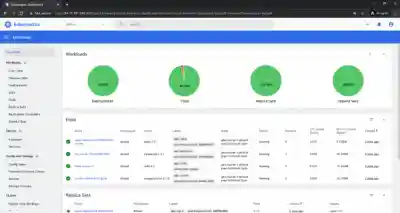

One of the oldest Kubernetes problems still causes some of the worst incidents. Containers running with far more privilege than they need. Teams leave workloads running as root because it avoids permission issues during setup, makes debugging easier, or just survives from an early deployment nobody revisited later.
That shortcut opens the door wider than most people realize.
Once an attacker gets into a privileged container, they can often reach beyond the application itself. That can mean accessing the host system, stealing credentials, installing malware, or moving into other containers on the same server. One compromised workload can quickly turn into a wider cluster breach when permissions are too broad.
Publicly Exposed Services: The Windows We Leave Open
Another common failure is exposing internal Kubernetes services directly to the internet. Usually not on purpose.
A load balancer gets configured too broadly. A dashboard stays reachable after testing. Network rules remain open longer than they should. Small deployment decisions. Big exposure.
Attackers look for these systems constantly because they’re often easier to exploit than hardened front-end applications. Kubernetes dashboards, management APIs, monitoring panels, backend services—anything that was meant to stay internal becomes a potential entry point once it’s exposed publicly.
An exposed dashboard is especially dangerous because it can reveal far more than most teams expect: secrets, environment variables, deployment settings, service accounts, sometimes even direct administrative control depending on how permissions were configured.
Organizations often don’t realize these services are public until suspicious traffic appears in logs or cloud usage spikes unexpectedly.
The fix is straightforward, but teams skip it constantly. Internal management systems should sit behind VPN access, identity-aware authentication, or tightly restricted network policies—not directly on the public internet.
The Visibility Gap: Unmonitored Runtime Activity
Most teams have gotten good at scanning container images before deployment, but far fewer monitor what happens after those containers go live. This creates a massive visibility problem.
A scanned, "clean" container can still be compromised through a logic flaw in the application itself. Once an attacker is inside, they may try to download a binary from an external IP or start an unexpected reverse shell to maintain persistence. Without runtime monitoring, this behavior is essentially invisible.
This is why tools like Falco or Dynatrace are critical. You need to be alerted the moment a container suddenly tries to execute /bin/sh or starts scanning the internal network—activities that no healthy web server should ever be doing in a production environment.
Why Misconfigurations Remain a Major Threat
Misconfigurations remain one of the leading causes of Kubernetes and container-related breaches. In many cases, the issue is not a sophisticated zero-day exploit. It’s an environment that was never fully secured in the first place.
Three Kubernetes Checks Most Teams Can Run in 15 Minutes
Most Kubernetes security problems aren’t advanced. They come from rushed deployments, leftover permissions, and configurations nobody revisited after the cluster went live. The dangerous part is how long these issues sit there unnoticed.
1. Find Containers Running With Too Much Privilege
A lot of clusters still have containers running as privileged or root because it made setup easier at some point. That shortcut matters more than people think. Once an attacker gets into one of those containers, they can often reach the host system, pull credentials, or move into other workloads running on the same node.
Run this and see what comes back:
kubectl get pods --all-namespaces -o jsonpath='{.items[?(@.spec.containers[*].securityContext.privileged==true)].metadata.name}'
If the list includes anything outside core infrastructure components, it’s worth investigating. Most application containers don’t need that level of access.
2. Check for Overly Broad RBAC Permissions
RBAC problems are everywhere in Kubernetes environments. Permissions get expanded during troubleshooting, someone adds cluster-admin access temporarily, then nobody removes it later. Over time, the access model drifts into chaos.
That becomes dangerous fast during a breach.
If a compromised ServiceAccount has broad permissions, the attacker may be able to access secrets, deploy workloads, modify namespaces, or interact directly with the Kubernetes API across the cluster. One weak pod can turn into full orchestration-layer access surprisingly quickly.
Look through ClusterRoles and watch for wildcard permissions using *. Those rules usually grant far more access than anyone intended.
3. Run a Basic Misconfiguration Scan
Kubernetes changes constantly. New workloads appear every day, policies drift, and old YAML gets reused. Manual review doesn’t scale well once clusters grow beyond a certain point.
That’s where lightweight scanning tools help.
Kube-Bench is useful for checking whether the cluster aligns with CIS benchmark recommendations. Kubescape goes wider and looks for insecure configurations, exposed services, risky RBAC settings, and known vulnerabilities across workloads and manifests. Neither tool fixes the environment for you, but both are good at surfacing the problems teams stop noticing after staring at the same cluster for too long.
Basic Hygiene Still Prevents the Majority of Breaches
Advanced cloud security tools are important, but many container-related incidents still come down to basic defensive hygiene. The most effective protections are often the most boring: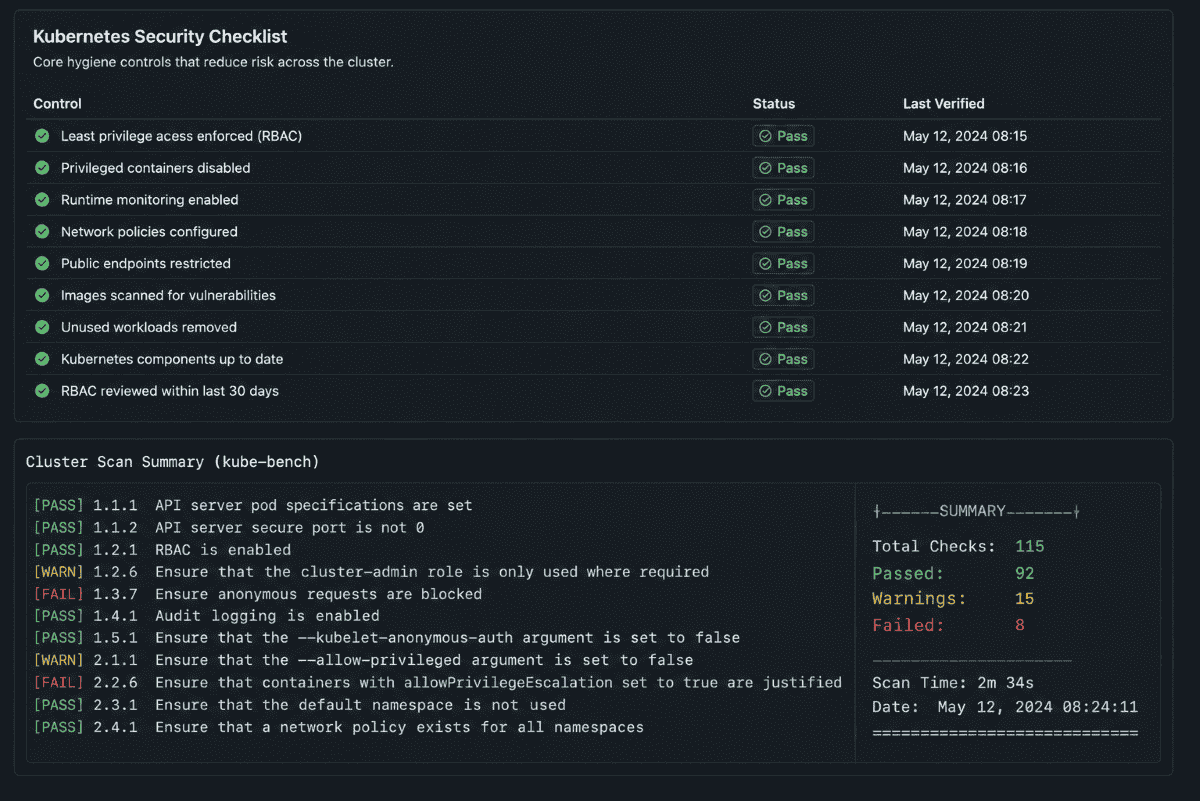
- Enforcing least privilege access and disabling unnecessary privileges.
- Scanning images regularly and monitoring runtime activity for anomalies.
- Applying network segmentation and removing unused workloads.
- Keeping Kubernetes components updated and auditing RBAC consistently.
- Restricting public exposure to the absolute minimum.
None of these steps is especially new or complicated. The challenge is maintaining them consistently as environments grow and change.
Final Thoughts: What To Do Next Monday Morning
Container adoption is moving faster than most teams can secure it. The biggest risks usually aren’t zero-days or advanced exploits. They’re the everyday configuration mistakes that stay sitting in production for months because nobody noticed them during deployment.
If you want to harden a Kubernetes cluster quickly, start with the basics.
- Run a Kube-Bench scan to see how your cluster configuration stacks up against CIS benchmarks.
- Audit your "Privileged" pods using a simple kubectl query to see who actually has root access.
- Check for exposed dashboards or unauthenticated APIs.
As cloud infrastructure becomes more dynamic, visibility becomes just as important as prevention. Security teams need to understand not only what they deploy, but also how workloads behave after deployment. Because in many modern breaches, attackers aren’t discovering new weaknesses—they’re simply finding the misconfigurations nobody fixed.
Stay Ahead of the Threat:
- Sign up for our newsletter for weekly deep-dives into cloud-native security.
- Container Security Misconfigurations Leading to Threats
- Kubernetes Security: Top Strategies for 2026 Against Emerging Threats
 PREVIOUS

 NEXT
NEXT

Powered By

Linux Security - Your source for Top Linux News, Advisories, HOWTOs and Feature Releases
QUICK LINKS
subscribe to newsletters!
Like staying secure? So do we.
Sign up for updates, tips, and alerts!