Audit Linux privileges now to limit compromise, escalation, and system-wide damage. Review Linux Privileges×


Linux Security: Bootkitty UEFI Bootkit Discovery and Protective Measures
 Jan 17, 2025
•
Jan 17, 2025
•
 Brittany Day
3 - 5 min read


Topics Covered
New Linux security threats mark critical junctures that challenge existing policies and test security protocols to their limit. One such milestone was the recent discovery of Bootkitty, the first known UEFI bootkit explicitly designed to target Linux systems, unlike many of those targeting Windows systems in recent years. Bootkitty's appearance illustrates a crucial shift as its prevalence underscores an ever-increasing sophistication and diversity of threats facing Linux administrators and infosec professionals, signaling an urgent need for tailored defenses to protect these environments.
In this article, we'll help you understand Bootkitty on a deeper level by uncovering its inner workings - how it operates at a firmware level to bypass traditional security measures and its implications on cybersecurity across various industries. You'll gain practical strategies for fortifying your defenses against advanced and emerging threats like Bootkitty, including implementing stringent UEFI Secure Boot policies, regularly verifying firmware integrity checks, and employing endpoint protection solutions. We'll also touch on the importance of conducting regular security audits, implementing kernel hardening measures, and maintaining strict system monitoring and logging practices. By the end of this article, you'll have gained all of the skills and tools required to protect Linux systems against Bootkitty and similar sophisticated Linux security threats.
Understanding This Discovery and Its Significance for Linux Security
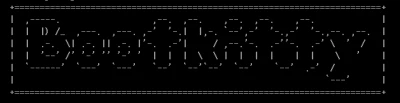 Source: ESETBootkitty, an advanced UEFI bootkit discovered by ESET researchers, has underlined the constantly shifting nature of cyber threats aimed at Linux systems. Operating at firmware level without traditional security measures being applied makes detection and removal particularly challenging, underscoring the need for greater protection mechanisms designed specifically to guard against low-level threats like Bootkitty.
Just recently, ESET identified a significant Secure Boot vulnerability, CVE-2024-7344. This flaw allows attackers to bypass Secure Boot protections, enabling the execution of untrusted code during the boot process. This kind of exploit can lead to the deployment of malicious UEFI bootkits like Bootkitty.
Let's examine how Bootkitty operates in more detail, examining three main areas that set it apart from other Linux security threats:
Disabling Kernel Signature Verification
Bootkitty's primary objective is to disable the kernel's signature verification feature. This crucial measure ensures that only authorized modules and changes are accepted during bootup. By disabling this authentication mechanism, Bootkitty allows unapproved or potentially harmful kernel modules to load during this process.
Bootkitty uses Linux init processes to preload unknown ELF (Executable and Linkable Format) binaries before system startup occurs. In contrast, the Linux kernel executes init, allowing these binaries to load onto system memory. Unauthorized changes pose severe threats to system security that administrators must mitigate promptly.
UEFI Secure Boot Bypass
 Bootkitty stands out among other malware because it can circumvent UEFI Secure Boot, designed to detect unsigned boot loaders and only execute signed software during boot-up. Yet, under certain conditions, this mechanism has been bypassed.
Bootkitty checks the status of UEFI Secure Boot by inspecting its SecureBoot variable. If Secure Boot is activated, Bootkitty hooks two functions from UEFI authentication protocols into two functions from its functions set:
- EFI_SECURITY2_ARCH_PROTOCOL.FileAuthentication: This function validates UEFI PE images using Bootkitty and always returns EFI_SUCCESS as evidence of successful verification, irrespective of the actual file status.
- EFI_SECURITY_ARCH_PROTOCOL.FileAuthenticationState: This function applies a platform-specific policy based on authentication status. Bootkitty modifies this function to return the EFI_SUCCESS status.
Bootkitty circumvents Secure Boot protections by altering these functions, permitting potentially malicious software to load even when Secure Boot is enabled.
Proof of Concept Evidence
Various indications suggest Bootkitty may only be intended as an early prototype and should not be widely deployed malware. Such indicators include undocumented functions within its code that allow for ASCII art printing or string manipulation. These functions have no practical use as stealthy malware but suggest experimentation from its author.
Bootkitty further illustrates this point by using hardcoded offsets when patching decompressed Linux kernel images, restricting effectiveness to specific kernel versions and configurations. As a result, it increases system crashes and shows no indication of advanced deployment considerations typically found with more sophisticated malware.
These characteristics suggest Bootkitty is more experimental, though its existence has signaled an emerging risk posed by UEFI bootkits to Linux admins and cybersecurity professionals.
Practical Advice for Securing Linux Systems From UEFI Bootkits
 Administrators and infosec professionals can take several practical steps to secure Linux systems against UEFI bootkits, including strictly enforcing Secure Boot policies. These policies include enabling it, only using certificates issued from trusted authorities instead of self-signed certificates, which might not be reliable, and updating firmware frequently while verifying integrity regularly with tools that detect changes.
Implementing advanced endpoint protection solutions with bootkit detection capabilities to protect the integrity of your system is also essential. Regular security audits and vulnerability assessments are vital to identify weaknesses early on and mitigate them quickly before they become severe. Furthermore, training staff on the latest threats and best practices for Linux security ensures they remain vigilant.
Additionally, taking kernel hardening measures will boost your defenses further. Methods like activating SELinux or AppArmor and employing integrity measurement architectures (IMA) can significantly decrease the attack surface. Regularly verifying boot loaders like GRUB for integrity and configuration is another essential step. Make backup copies to compare to known versions before running tests against backup copies to see which versions have changed significantly over time. Incorporating comprehensive system monitoring and logging techniques can assist with keeping an eye on critical events during the bootup process while quickly detecting suspicious activities occurring across your networks and systems.
Our Final Thoughts on Enhancing Linux Security Measures Post-Bootkitty
Bootkitty reminds us of the ever-evolving threat landscape posed by current and emerging malware and bootkits. Its presence emphasizes the need for Linux administrators and infosec professionals to implement effective defenses against UEFI bootkits using the measures outlined herein. Organizations can boost resilience against such attacks by adopting these proactive safeguards.
 PREVIOUS

 NEXT
NEXT


Powered By

Linux Security - Your source for Top Linux News, Advisories, HOWTOs and Feature Releases
QUICK LINKS
subscribe to newsletters!
Like staying secure? So do we.
Sign up for updates, tips, and alerts!