Audit Linux privileges now to limit compromise, escalation, and system-wide damage. Review Linux Privileges×


Linux 6.15-rc7: Security Mitigations, Bug Fixes & New Hardware Support
 May 21, 2025
•
May 21, 2025
•
 Brittany Day
3 - 6 min read


Topics Covered
Linux 6.15-rc7 just dropped, and if you're managing systems that rely on Linux, this is one you’ll want to pay attention to. It’s the seventh release candidate for version 6.15, and while “release candidate” might sound like preliminary steps, some of the changes here—like new security safeguards and bug fixes—are anything but minor. Updates like these often contain critical tweaks affecting your systems' stability, compatibility, and overall security posture.
But there’s more to this release than just patching up issues. You’re also looking at adjustments anticipating upcoming hardware, making sure Linux stays ready for tomorrow’s machines. In other words, this isn’t just about solving today’s problems—it’s about laying the groundwork for what’s next. Let’s take a closer look at why this matters and how these updates will affect your daily work and overall security posture.
Understanding the Training Solo Vulnerability Mitigations
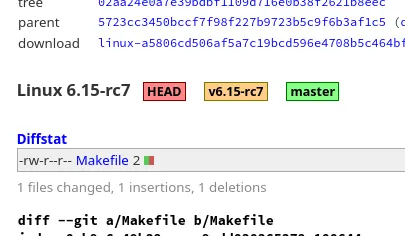 Source: Phoronix One of the most critical aspects of the Linux 6.15-rc7 update is the security mitigations for the "Training Solo" vulnerability. These new security measures have been equipped with the Intel and ARM64 architectures. This type of vulnerability correlates to speculative execution flaws, reminiscent of the infamous Meltdown and Spectre vulnerabilities from several years back.
What does this mean in real-world terms? Imagine an attacker exploiting low-level operations in the CPU to gain access to sensitive data. Mitigations against the Training Solo flaw aim to close the doors on such potential exploits, maintaining a more secure operating environment. For system administrators, especially those in charge of enterprise or production environments, applying these updates is absolutely essential!
ARM64 Security Mitigations and Performance Considerations
These mitigations are especially significant for the ARM64 architecture. The growing adoption of ARM64 systems in data centers and cloud environments means that a vast number of Linux servers will benefit from these updates. Admins managing these systems should keenly observe how these mitigations affect their workloads. While security measures like these may introduce performance overhead, the trade-off is a safer, more secure infrastructure.
It's also worth noting that staying current with these updates should be part of a broader strategy to maintain robust security for all of the systems you manage. Making sure that updates are applied on time helps protect against new attack vectors, which can potentially exploit unpatched vulnerabilities.
What Bug Fixes Have Been Introduced in Linux 6.15-rc7?
 Beyond security, Linux 6.15-rc7 addresses many other issues. Various bug fixes, including those related to the Bcachefs file system, have been integrated. Bcachefs, still in development yet promising as a next-gen file system, has received key improvements, improving its stability and reliability. Admins running or testing systems with Bcachefs can look forward to a more dependable performance profile.
The update also includes essential Driver Enhancement for Direct Rendering Manager (DRM) graphics. These changes are designed to improve stability and compatibility with various GPU drivers. For admins managing systems with diverse graphics hardware, these improvements can lead to smoother operation and fewer issues related to graphical performance.
Support for AMD Zen 6 CPUs
On the hardware front, Linux 6.15-rc7 lays the groundwork for supporting the next generation of AMD Zen 6 CPUs. This support has been introduced via a synthetic feature flag. While these CPUs are still on the horizon, incorporating preliminary support is essential to ensuring a seamless integration process when these processors become available. For admins planning future hardware upgrades, the kernel's proactive support for upcoming technologies shows a readiness that can simplify transitions and maintenance.
Scheduler Subsystem Updates
Changes to the sched-ext subsystem are also particularly noteworthy. Enhancements to the scheduler often translate to better performance and more efficient task handling, directly influencing system responsiveness and throughput. These improvements are particularly advantageous for systems hosting a variety of workloads, from web servers to high-performance computing applications. The scheduler updates ensure that resources are allocated more effectively, potentially improving overall system performance.
What Is the Timeline for the Stable Release?
Looking ahead, the stable release of Linux 6.15 is imminent. According to Linus Torvalds, we can expect it to debut next Sunday, barring any last-minute issues that might require an additional release candidate (6.15-rc8). This means admins should be prepared to begin testing these updates shortly. The transition from release candidate to stable release is generally quick, making it a prime time to start planning for updates.
Operating System Distribution Integration
 The timeline for these changes depends largely on your Linux distribution. While rolling-release distributions like Arch Linux typically adopt new kernels rapidly, enterprise distributions operate on more conservative schedules. They integrate these updates after extensive testing to ensure compatibility and stability within their specific environments.
This means that while immediate application may be available for those on faster-moving distributions, others might need to wait for their respective update cycles. Nevertheless, staying vigilant for distribution announcements and updates guarantees you won't miss these critical changes.
The Action Plan for Linux Admins
As an admin, your action plan should involve several key steps. First, monitor upcoming distribution updates and prepare testing environments to validate the new kernel with existing workloads. It's also important to assess any potential performance impacts of the new security mitigations, especially for performance-sensitive applications.
Secondly, understanding the practical implications of the Training Solo mitigations is vital. Testing should involve scenarios where security-related performance overhead might be significant, ensuring no unexpected degradations in service.
Lastly, we must focus on the broader benefits of Linux 6.15. Look out for enhancements to the scheduler, test the improved graphics driver support, and note the improvements in stability for those experimenting with Bcachefs.
Our Final Thoughts: The Critical Importance of Regular Updates
 Above all, a robust update strategy is indispensable. Regular kernel updates aren't just about getting the latest features but fundamentally about maintaining a secure and stable environment. The Training Solo mitigations are a case in point, highlighting how new vulnerabilities continue to emerge and require swift responses.
Admins who prioritize timely updates help safeguard their environments against the latest threats, maintain compatibility with new hardware advancements, and uphold the high level of reliability expected of Linux servers.
Linux 6.15-rc7 paves the way for a more secure and future-proof kernel, representing yet another step forward in Linux's continuous evolution. By understanding the updates, preparing for their impact, and applying them thoughtfully, admins can keep their systems running smoothly and securely now and in the future.
 PREVIOUS

 NEXT
NEXT



Powered By

Linux Security - Your source for Top Linux News, Advisories, HOWTOs and Feature Releases
QUICK LINKS
subscribe to newsletters!
Like staying secure? So do we.
Sign up for updates, tips, and alerts!