Explore top 10 tips to secure your open-source projects now. Read More
×


AI Compliance Frameworks with Linux Security in Startup Environments
 Oct 23, 2025
•
Oct 23, 2025
•
 MaK Ulac
4 - 7 min read


Topics Covered
AI is moving faster than most organizations can regulate it. New frameworks arrive every quarter, and each one expects tighter controls on how models are built, trained, and deployed. Startups feel this pressure more than anyone. They build quickly, often on open infrastructure, and can’t afford the slowdown that comes with formal compliance programs.
AI compliance isn’t just about legal coverage. It’s about building systems that stay predictable under scrutiny. Most of those systems run on Linux, and that’s where the story really starts — at the infrastructure layer.
For young tech companies, Linux security and AI governance now share the same goal: accountability. The task is to show that the models you ship are explainable, the data you use is traceable, and the servers running it all are hardened and logged. Get those three right, and compliance becomes less paperwork and more routine.
Why AI Compliance Is Now a Core Requirement for Startups
Regulations aren’t abstract anymore. They’re shaping how AI gets designed and deployed, especially for teams working on open-source or Linux-based stacks.
The EU AI Act, ISO 42001, and NIST AI RMF now require evidence of control, rather than intent. Startups that once moved fast and documented later are realizing that approach no longer works. You can’t explain compliance retroactively.
Open frameworks help speed development, but they widen the risk perimeter too. Every open library, every dependency, and every pipeline integration adds another place for exposure. For small teams, the line between innovation and oversight is thin.
AI compliance isn’t just policy work. It’s technical architecture. How logs are kept, how data is stored, how Linux systems enforce privilege boundaries — all of it feeds into risk scoring. That’s what compliance actually measures.
Worth tracking early:
- Model documentation and change history
- Data retention and provenance across training cycles
- System security reviews tied to deployment pipelines
Get those right before scaling, and AI risk management becomes part of daily operations — not a separate checklist.
How Linux Security Shapes AI Compliance Frameworks
Governance doesn’t sit apart from infrastructure. It starts at the OS layer.
Every serious AI workload runs on Linux. That means AI compliance begins in the same place system security does — kernel configs, file permissions, audit logs. These are the controls regulators now expect to see defined and tested.
Linux security tools like SELinux, AppArmor, and container isolation already align with frameworks such as ISO 27001 and SOC 2. They prove enforcement exists. What matters is consistency, whether those protections hold through model training, deployment, and retraining cycles.
AI risk management depends on how cleanly those controls are maintained. One weak privilege configuration can expose model data; one missing patch can open a pipeline. It’s not glamorous work, but it’s what compliance teams lean on when questions come.
A simple baseline still helps:
- Keep audit trails intact (syslog, journald).
- Automate patching wherever possible.
- Review and rotate service account access regularly.
Compliance starts here, not in the report afterward.
Key Components of a Strong AI Governance Framework
Once the Linux foundation is secured, AI compliance shifts to higher layers, model governance, and observability. These are the controls that make AI explainable and auditable instead of opaque.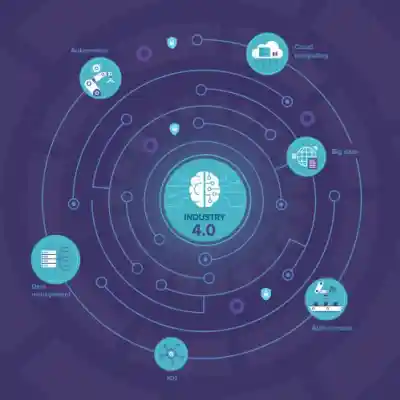
Automation sits at the center. A good framework tracks model versions, flags drift, and runs explainability checks in real time. It’s less about compliance dashboards and more about reducing blind spots before they become audit findings.
Auditing keeps it grounded. Many startups already use Linux-native tools like Falco, OSSEC, or auditd to capture security events. Feeding those logs into an AI observability pipeline means one record covers both infrastructure and model behavior, a single timeline for investigators and auditors alike.
Mapping ties it all together. Frameworks such as NIST RMF and MITRE ATLAS help translate system telemetry into proof that AI governance exists. They connect what happens in production to the written policy, closing the gap most teams overlook.
These controls work best when built into the Linux security tooling already in use. No new stack, no external agents, just a clearer view of how models run and what risks they introduce.
Building Everyday Compliance Into Startup Workflows
Compliance sounds heavy until you break it into small routines. Most startups can fold it into the same processes they already use to deploy code. The work isn’t about adding new layers. It’s about tightening the ones that already exist.
Start with the basics:
- Document every data source before model training. Note where it came from, what it contains, and how long you’ll keep it. That’s the first real step toward AI compliance.
- Run lightweight vulnerability scans using open tools like Clair or OpenSCAP. Both plug easily into Linux pipelines and catch misconfigurations before they move into production.
- Treat model checkpoints like software releases — version them, verify integrity, and store them in controlled repositories.
- Keep a record of what the model decides and why. Decision logs matter later, especially when you’re asked to prove explainability.
These habits map directly to Linux security standards most teams already follow: automation for consistency, transparency for traceability, and patch hygiene for baseline protection. Together they form a living AI risk management process — not a compliance checklist, just sound engineering that holds up under audit.
How AI Compliance Solutions Streamline Governance on Linux Systems
Manual oversight only scales so far. Once models and datasets multiply, tracking them by hand stops working. That’s where an AI compliance solution becomes less a convenience and more a form of control.
Modern AI compliance solutions centralize monitoring, alerting, and evidence collection so audits don’t become last-minute fire drills. Most connect directly to Linux systems through APIs or lightweight agents, pulling configuration data, training logs, and access records into a single dashboard.
For startups, this setup bridges two constant needs: agility and assurance. The system gathers the proof needed for regulators while staying flexible enough to work with the existing Linux stack. Its governance is built into the workflow, not bolted on afterward.
Used well, these platforms deliver what manual review can’t:
- Faster incident detection across both infrastructure and model layers
- Continuous alignment with changing standards and AI regulations
- Less time lost to policy checks and spreadsheet audits
In short, they turn AI governance into a living process rather than a quarterly scramble. With Linux environments already handling the operational side, these tools make AI compliance measurable and repeatable, the two traits auditors trust most.
Final Analysis: Aligning AI Compliance With Long-Term Security Goals
AI governance isn’t separate from security. It’s the next layer of it.
AI compliance gives structure to how startups build, deploy, and monitor their systems. When it connects to the underlying Linux security practices already in place, governance stops feeling like overhead and starts working as part of the process.
The link to AI risk management is what keeps that structure useful. Risks tied to data, model behavior, or infrastructure changes are tracked and managed through the same routines that secure the platform. It’s one workflow, not two.
The outcome isn’t bureaucracy; it’s consistency. A system that scales because it’s already built to be trusted.
 PREVIOUS

 NEXT
NEXT



Powered By

Linux Security - Your source for Top Linux News, Advisories, HOWTOs and Feature Releases
QUICK LINKS
subscribe to newsletters!
Like staying secure? So do we.
Sign up for updates, tips, and alerts!