Explore top 10 tips to secure your open-source projects now. Read More
×


How to Secure Linux Servers in SaaS: Essential Security Guide for 2025
 Jun 19, 2025
•
Jun 19, 2025
•
 MaK Ulac
8 - 16 min read


Topics Covered
Linux powers over 80% of cloud infrastructure, making it an attractive target for cybercriminals. Your Linux server's security matters more than ever, as data breach costs hit $4.45 million in 2023, according to IBM's Cost of Data Breach Report. Cybercrime continues to grow 15% each year and might reach $10.5 trillion by 2025. Your SaaS environment's Linux foundations need resilient protection.
SaaS platforms' security landscape changes faster, with 93% of security leaders boosting their budgets after recent high-profile breaches. However, many Linux systems stay vulnerable because of misconfigurations, delayed patching, and weak proactive defenses. Serious vulnerabilities like Dirty Pipe (CVE-2022-0847) can give attackers root access, which shows why you can't delay system updates.
Linux security best practices go beyond meeting HIPAA, PCI DSS, and GDPR, though these frameworks demand strict server hardening to avoid huge fines. Your SaaS environments face urgent security risks from AI-driven attacks, brittle supply chains, and complex architectures. This piece will give you the essential SaaS security best practices to protect your Linux infrastructure through 2025 and beyond.
Shift Left Security in SaaS DevOps Pipelines
Finding issues during development instead of after deployment will save substantial costs on vulnerability fixes for your Linux SaaS environment. This proactive approach will also allow your team to address security challenges in people, processes, and technologies earlier.
Integrating SAST and DAST in CI/CD for Linux
Static Application Security Testing (SAST) and Dynamic Application Security Testing (DAST) are the lifeblood of a reliable security pipeline for Linux servers. SAST gets into the source code without running it and finds vulnerabilities like SQL injections and hardcoded secrets during development. Your CI/CD pipeline will give automatic SAST scans with each commit that provide quick feedback without disrupting the workflow.
DAST works alongside SAST by testing applications while they run and simulates real attacks against your Linux servers. This "black-box" testing approach finds potential security threats that static methods might miss, especially in web-enabled applications' HTTP and HTML interfaces.
To merge this integration:
- Configure your .gitlab-ci.yml or equivalent CI configuration to include security scanning stages
- Set up vulnerability reporting to combine findings in a central dashboard
- Establish severity thresholds that automatically fail builds when critical issues are detected
Using Semgrep and OSV-Scanner for Codebase Scanning
Semgrep provides fast code scanning that works great with Linux environments, with 95% of code scans completing in under 5 minutes. Developers can easily add this to their workflow without delays. Semgrep's Pro rules give accurate results that cut down on false positives common in other security tools.
OSV-Scanner links your project dependencies to their vulnerabilities and supports Linux operating systems while detecting issues in OS packages. It covers 11+ language ecosystems and 19+ lockfile types, making it perfect for complex SaaS environments.
To get started:
# Install OSV-Scanner
brew install osv-scanner#
Scan project recursively
osv-scanner --recursive .
Automated Pull Request Security Feedback
Security feedback right in pull requests creates a smooth experience for developers while maintaining security standards. CodeSage, an AI-powered tool that reviews pull requests, showed a 32% faster review completion and 24% fewer bugs in QA.
GitHub Actions lets you scan for vulnerabilities automatically on each PR and gives instant feedback before human reviewers step in. This ensures all code changes go through security checks before merging into your main branch.
Linux SaaS environments benefit from faster development and build a security-first culture with this automation. Developers naturally write more secure code from the start when they get regular feedback about security issues in their work. Security becomes part of the earliest stages of development.
Threat Modeling and Data Flow Mapping in Linux SaaS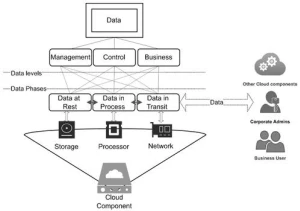

Linux server security starts with good threat modeling. This helps you spot vulnerabilities before attackers can exploit them. You can prioritize security controls better by visualizing data flows and evaluating potential threats.
Using OWASP Threat Dragon for Linux SaaS Apps
OWASP Threat Dragon is a powerful open-source platform that creates detailed threat models for Linux SaaS environments. The tool helps you design threat diagrams as part of secure development, which lines up with threat modeling manifesto principles. Security teams can run it as either a web or desktop application.
The platform supports several threat classification frameworks like STRIDE, LINDDUN, CIA, and DIE. This makes it work well with different security methods used in Linux environments. The rule engine saves time during security reviews by automatically generating potential threats and solutions.
Here's how to use Threat Dragon:
- Create visual models on the canvas to build diagrams
- Put in components like processes, data stores, and actors that show your Linux SaaS architecture
- Set trust boundaries to separate different parts of your application
- Use data flow lines to show how information moves between components
- List threats for each element and plan how to fix them
Identifying Sensitive Data Paths in Multi-Tenant Systems
Data isolation between tenants is vital in multi-tenant Linux SaaS environments. You need to track how sensitive information moves through your system to stop data leaks between tenants. This means mapping data movements across trust boundaries, especially where tenant data might mix.
Network Address Translation (NAT) plays a vital role in multi-tenant systems by replacing source IP addresses to keep tenants separate. The right data flow mapping lets you enforce source IP pinning for SaaS applications. This confirms connections come from IP addresses linked to the correct tenant.
Mapping External API and Plugin Interactions
External API integration can bring security risks to your Linux SaaS environment. Security breaches often happen at these integration points rather than in core systems. A detailed record of API endpoints, authentication methods, and data exchanges helps identify weak spots.
Document webhook URLs and API keys that communicate with third-party software. You should also set up filtering systems to control which alerts and data are shared with external platforms. This prevents sensitive information from leaking.
Webhook integration security needs HTTPS encryption and proper authentication like API keys. Check all incoming data from external APIs before processing it in your Linux environment. This protects your systems from injection attacks or malicious payloads.
Zero Trust Network Access and Linux Micro-Segmentation
Zero trust principles have become a significant part of linux server security in SaaS environments faster than expected. The principles eliminate implicit trust and need continuous verification for all access requests. This security model verifies every connection attempt, whatever its origin, rather than depending on perimeter defenses.
ZTNA with Cloudflare Access for Linux Environments
Cloudflare Access offers a strong ZTNA solution that works with Linux servers. The system reviews contextual factors such as identity and device posture for each request. The approach will give a secure path to Linux resources without direct internet exposure, unlike traditional VPNs.
Steps to implement Cloudflare Access with Linux:
- Install CloudFlare as a system service on your Linux servers
- Configure the tunnel with required arguments, including the tunnel UUID and the credentials file location
- Start the service and route traffic through the secure tunnel
Users must prove their identity through configured providers before they can access Linux applications through this secure setup. Cloudflare blocks connection requests automatically if authentication fails. Research shows 92% of cybersecurity leaders find micro-segmentation works better than other approaches.
Isolating Tenants with Virtual Network Segments
Software policies create separation between IT resources through micro-segmentation instead of hardware-level setups like firewalls or VLANs. Multi-tenant Linux SaaS platforms can isolate customer environments within shared infrastructure in this way.
Micro-segmentation forms the foundations of zero trust architecture by supporting least-privileged access principles. Logical boundaries between workloads limit potential lateral movement if attackers compromise one tenant environment.
Virtual network segments monitor internal traffic crossing boundaries up to the minute. Security teams can spot suspicious movements between isolated environments and enforce strict access controls at each boundary point.
Dynamic Access Control with AWS IAM Conditions
AWS Identity and Access Management (IAM) conditions power dynamic access controls for Linux servers in AWS environments. These conditions review contextual attributes like user identity, resource properties, and request parameters before granting access.
IAM's attribute-based access control lets you set detailed permissions based on tags and other attributes instead of fixed role assignments. This method matches zero trust principles by checking access requests continuously.
Token inspection at endpoints adds another security layer in high-security Linux environments. The process checks token attributes along with credentials to meet security requirements before allowing connections to sensitive resources.
For Linux systems that extend across hybrid or multi-cloud environments, integrating Lightweight Directory Access Protocol (LDAP) adds centralized identity governance. LDAP supports secure authentication and directory queries, enabling consistent enforcement of access policies across SaaS tools, internal Linux applications, and remote services. When paired with PAM or SSSD modules, LDAP can unify user management, helping administrators reduce misconfigurations and enforce least-privileged access.
For teams managing users across growing environments, IGA (Identity Governance & Administration) helps bring structure to access reviews, lifecycle oversight, and policy enforcement.
When account provisioning needs to stay consistent across platforms, standards like SCIM make it easier to automate identity changes without creating manual gaps.
Dynamic controls adapt to changing conditions, unlike static access rules. The system revokes access automatically when contextual factors change or it detects unusual behavior. This adaptability plays a vital role in SaaS environments where access patterns and threats evolve constantly.
Organizations evaluating governance controls may review industry comparisons, such as identity governance and administration tools to understand how different platforms approach certification workflows, lifecycle management, and access governance.
Continuous Cloud Configuration Monitoring for Linux Servers
Security breaches in cloud environments still occur mainly due to misconfigurations. Automated continuous monitoring becomes vital to maintain resilient linux server security. Dangerous settings can remain undetected until attackers exploit them when automated checks are absent.
Detecting Misconfigurations in IAM and Kubernetes YAMLs
Linux environments face substantial vulnerabilities from IAM policies with wildcard permissions and exposed critical ports through misconfigured security groups. Teams must implement automated scanning to identify these issues before attackers can exploit them. Common Kubernetes misconfigurations include:
- Privileged containers with CAP_SYS_ADMIN permissions that allow complete host access
- Missing network policies lead to unnecessary traffic between objects
- Unencrypted Kubernetes secrets stored as base64-encoded strings in etcd
- Regular users get cluster-admin roles with excessive permissions
Malicious actors can utilize these security loopholes that dramatically increase your attack surface. Cluster security becomes compromised further in unhardened Linux environments that lack services like SELinux or AppArmor.
Using KICS and AWS Config for Live Alerts
KICS (Keeping Infrastructure as Code Secure) scans infrastructure-as-code templates to detect deviations from security best practices. AWS Config provides a near live stream of system events that describe resource changes in your environment. You can create rules through Amazon EventBridge integration that trigger automated responses to configuration changes.
AWS Config setup requires these steps for effective live monitoring:
- Enable AWS Config and specify resources to monitor
- Create EventBridge rules that evaluate specific conditions
- Configure notification targets like SNS topics for alerts
- Define automated remediation actions for critical issues
Your Linux server security posture stays protected as unauthorized changes get detected immediately, which prevents configuration drift.
Custom Policy Enforcement for Linux SaaS Workloads
Agents on Linux platforms employ iptables, ip6tables, or ipset to enforce network policies. These agents control and program firewall rules to maintain security boundaries once enabled. You can utilize preexisting configurations while adding new security controls through custom iptables rules.
Proper configuration of storage, networking components, and databases remains vital despite automation advances. Security controls like intrusion detection systems and firewalls, combined with closing unused ports, reduce your attack surface substantially. This limits lateral movement possibilities if breaches occur.
However, as SaaS applications become more deeply integrated into Linux-based infrastructure, policy enforcement must extend beyond the OS and network layers. SaaS Security Posture Management (SSPM) tools can fill this gap by continuously evaluating the security configurations of third-party SaaS services your Linux systems interact with. These tools identify misconfigured permissions, detect unused or over-privileged API tokens, and monitor compliance against internal or regulatory policies.
By integrating SSPM into your Linux security strategy, you add a layer of external posture visibility that helps detect overlooked risks, especially in sprawling SaaS ecosystems where traditional Linux-native tools fall short.
API and Secrets Security in Linux SaaS Platforms
API security and secrets management protect Linux SaaS platforms from unauthorized access and data breaches. Your overall security becomes stronger when you implement authentication protocols and manage credentials properly.
OAuth 2.0 and OIDC for Linux API Authentication
for API security through scoped access tokens. It controls and delegates authorization to protected resources like your Linux web applications and services. OAuth 2.0 provides a strong framework. OpenID Connect (OIDC) adds an authentication layer to this foundation. It lets you get user profile information and creates a detailed security solution.
Using OAuth 2.0 with OIDC gives you these key benefits:
- Standard endpoints to issue and verify tokens
- Clear separation between authentication and authorization
- Different authentication flows based on your needs
- No need to share passwords between applications
This combination helps Linux SaaS environments handle client registration, token issuance, and verification safely without exposing sensitive credentials.
Token Introspection for High-Security Endpoints
Token introspection lets resource servers verify access tokens and get important metadata about permissions and validity. This feature helps a lot with high-security Linux endpoints that need extra verification.
Linux servers can check if a token works by asking the introspection endpoint. They learn about the token's status, its scope, and which user owns it. The process spots revoked tokens right away, which stops unauthorized access even after credentials get compromised.
Secrets Rotation with AWS Secrets Manager
AWS Secrets Manager stores credentials instead of hardcoding them in the application source code. This substantially cuts down the risk of exposing credentials in Linux environments. On top of that, automatic rotation schedules replace old secrets with new ones at set times.
AWS Secrets Manager helps Linux SaaS platforms by using alternating user rotation. This strategy updates credentials while keeping applications running. HashiCorp Vault offers another strong solution to store API keys and access tokens safely. It enforces access policies that rotate credentials automatically once they're not used anymore.
These automated systems help Linux servers keep tight control over sensitive credentials throughout their lifecycle. The attack surface gets smaller because you're not using static, long-lived secrets.
Secure Container Architecture for Linux SaaS Deployments
Container security is the lifeblood of linux server security in SaaS environments. Properly configured images reduce attack surfaces significantly. Secure containers need careful optimization, scanning, and isolation techniques as the foundation of your deployment strategy.
Using DockerSlim and Multi-Stage Builds
Multi-stage builds are a vital security technique that reduces container size by separating build environments from runtime environments. This approach lets you compile or prepare your application in one stage and copy only the work to be done to a clean, minimal final image.
To name just one example, a typical multi-stage Dockerfile might look like:
FROM python:3.9-slim AS builder
WORKDIR /app
COPY requirements.txt .
RUN pip install -r requirements.txt
FROM python:3.9-slim
COPY --from=builder /usr/local/lib/python3.9/site-packages /usr/local/lib/python3.9/site-packages
COPY app/ /app/
CMD ["python", "/app/main.py"]
DockerSlim improves security by removing unnecessary components and reduces potential vulnerabilities. Runtime analysis helps identify essential files and libraries your application actually uses. This ended up creating a minimized image with a smaller attack surface.
Trivy Scanning and Image Signing
Trivy provides complete vulnerability scanning for Linux containers and identifies problems in OS packages and software dependencies. The tool gets into container images for known CVEs, secrets, misconfigurations, and creates detailed reports for remediation.
CI/CD pipelines with Trivy will give a secure container scan before deployment:
trivy image dvpwa.app:latest
Digital signatures verify container image integrity through admission controllers or the container runtime. This verification stops unauthorized or tampered images from running in your environment.
Kubernetes RBAC and Namespace Isolation
Kubernetes RBAC provides precise access control and limits what users and services can do within clusters. Multi-tenant SaaS deployments use properly configured roles to restrict access to specific namespaces, which enforces logical separation between tenants.
Security Context Constraints (SCCs) in OpenShift environments prevent pods from running with privileged access and require specific UIDs allocated at runtime. Pod Security Standards create guardrails that stop misconfigured containers from compromising system integrity.
Namespace isolation makes sure one tenant's compromise doesn't affect others. This is everything in linux server security for multi-tenant SaaS environments.
Securing Your Linux SaaS Infrastructure: The Road Ahead
Your Linux servers need strong protection as SaaS environments face more sophisticated threats. This piece explores key security layers that create a strong defense strategy for modern cloud infrastructures.
Security should begin early in the development lifecycle. Moving security left with SAST and DAST tools reduces vulnerability costs by a lot and catches problems before production. Tools like Semgrep and OSV-Scanner provide vital protection against common code-level vulnerabilities.
Threat modeling builds your strategic foundation and helps spot potential attack vectors before exploitation. Data flow mapping protects sensitive information in multi-tenant environments. Zero trust principles make your security stronger by removing implicit trust. They need continuous verification for all access attempts.
Most security breaches in cloud environments happen due to misconfigurations. Tools like KICS and AWS Config must monitor Linux servers continuously to keep them secure. OAuth 2.0 and OIDC boost API security, while proper secrets management blocks unauthorized system access.
Container security needs special focus as it powers modern SaaS deployments. Multi-stage builds, vulnerability scanning, and proper namespace isolation work together to reduce attack surfaces and maintain tenant separation.
What a world of 2025 and beyond holds - Linux server security will evolve with new threats. In spite of that, these core practices will stay relevant whatever technology changes come. These layered security measures protect your SaaS platform better against current and future threats.
Note that security never truly ends – it needs watchfulness, continuous improvement, and adaptation to new challenges. Today's investment in securing your Linux infrastructure will definitely pay off through lower breach risks, better compliance, and stronger customer trust.
 PREVIOUS

 NEXT
NEXT



Powered By

Linux Security - Your source for Top Linux News, Advisories, HOWTOs and Feature Releases
QUICK LINKS
subscribe to newsletters!
Like staying secure? So do we.
Sign up for updates, tips, and alerts!