


Cloud Security  incident response Linux administration
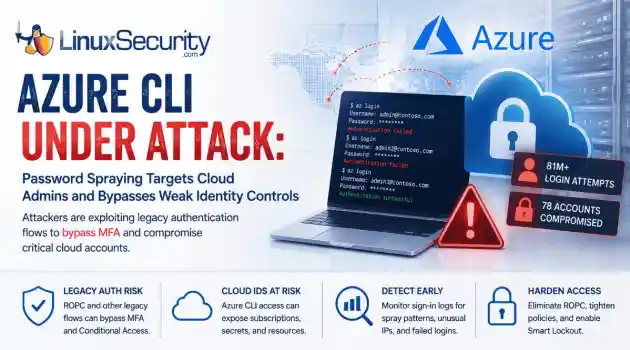
incident response Linux administration Over the span of just 14 days, threat actors unleashed more than 81 million login attempts against Microsoft’s Azure command-line interface (CLI). The campaign , which security researchers at Huntress identified as an ongoing, automated password-spraying effort, successfully compromised at least 78 Microsoft accounts across 64 organizations between June 12 and June 26, 2026. . While the scale is massive, the underlying strategy is surprisingly surgical. Attackers aren't exploiting a flaw in...
 Jul 01, 2026
Security Trends security update mobile security
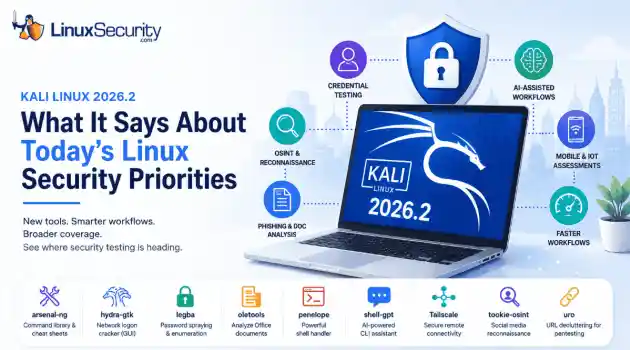
security update mobile security Offensive Security just dropped Kali Linux 2026.2 , and at first glance, it looks like a standard quarterly refresh. You’ve got the usual kernel bumps, desktop environment updates, and a handful of new utilities. But don't write this off as just another routine version update. If you look past the changelog, this release highlights several capabilities that continue to be important in offensive security. From AI-assisted workflows to credential testing and mobile assessments, Kali Linux 2026.2...
Jun 30, 2026
Security Projectssecurity advisory vulnerability management
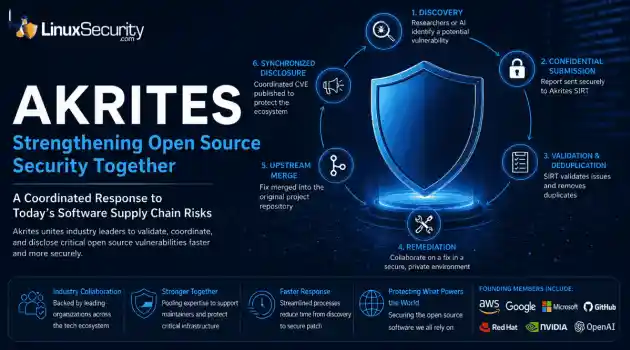
security advisory vulnerability management The Linux Foundation has officially launched Akrites , a coordinated industry initiative designed to improve how critical open source vulnerabilities are validated, coordinated, and disclosed before patches reach downstream users. Backed by a diverse coalition—including AWS, Google, Microsoft/GitHub, Red Hat, NVIDIA, and OpenAI—Akrites establishes a shared Security Incident Response Team (SIRT) to streamline the validation, remediation, and disclosure of vulnerabilities in the foundational...
Jun 29, 2026

Server Securitydenial of service open-source
denial of service open-source A process with a stable workload shouldn't keep growing its resident memory. When it does, the first question isn't how much RAM is available. It's where the allocations stopped being released. On Linux, that answer isn't always obvious because the kernel, allocator, and application all influence what memory usage looks like from the outside. . Separating normal allocation behavior from an actual leak takes more than watching top or container metrics. Heap growth, allocator caches, mapped...
Jun 26, 2026

Security ProjectsLinux security security assessment
Linux security security assessment AI is beginning to reshape how penetration testing workflows are organized. For years, the penetration tester’s workflow has been a labor-intensive ritual: scan, enumerate, research, exploit, and report. But new frameworks are attempting to codify that intuition, turning the "human-in-the-loop" process into a machine-coordinated workflow. But is this a genuine evolution in how we secure Linux environments, or just a sophisticated wrapper around the same old tools? . Dark Moon is an open-source...
Jun 26, 2026
 Refine news
X Clear Filters
Get the latest News and Insights
Get the latest Linux and open source security news straight to your inbox.
Community Poll
Can sandbox isolation stop malware?
Loading...
Explore Latest Linux Security news
We found 122 articles for you...
215
 security advisorydata protectionopen-source
Linux Desktop Adoption Surges to 5% with Security Gaps Identified
Linux just cleared 5% of the U.S. desktop market, based on recent Linux adoption statistics. That’s small in absolute terms but meaningful if you’ve watched the curve over the years. Linux used to sit in racks and lab machines — out of sight, mostly stable, rarely targeted. Now it’s on more workstations, inside environments that weren’t built with it in mind. . That change raises a real question. As adoption grows, are we tracking the risk that comes with it? We’re entering a new era for Linux security as desktop use expands, and the monitoring gap is obvious. The attack surface keeps spreading while most frameworks still assume the desktop is someone else’s problem. It’s not just another market-share bump. It’s a shift in how exposure looks on a normal network — one that blurs what used to be a clean line between server and endpoint. Next, we step back and look at what’s happening across the broader landscape that’s feeding this shift. Ransomware in Trends 2025 and How Linux Systems Became a Target Ransomware is still driving most large incidents in 2025. It moves easily between Windows, Linux, and cloud workloads because the tooling has matured to that point. Crews don’t rebuild for each platform anymore. They reuse the same encryption methods, the same persistence scripts, just compiled for different targets. That overlap is why Linux security now sits inside the same threat picture as everything else, not apart from it. We’re seeing that play out in the data. Ransomware’s New Frontier: Linux Systems Face Intensifying Attacks Ransomware’s New Frontier: Linux Systems Face Intensifying Attacks (2025) documents how groups like LockBit, Royal, and BlackCat maintain dedicated Linux ransomware payloads. These aren’t test runs; they’re built into active ransomware operations. Operators deploy them against hypervisors, file servers, and storage nodes to hit the core of virtualized infrastructure. It’s efficient: compromise one management layer,encrypt hundreds of systems below it. That kind of reach explains why attackers keep investing in Linux tooling. The same payloads that lock storage arrays also run on bare-metal servers, and with small changes, they can reach developer workstations too. StatCounter’s June 2025 data shows Linux crossing 5% of the U.S. desktop market, enough to make those endpoints visible to groups that already know the environment. They don’t have to pivot far to start targeting them. The same groups running ransomware on servers now include developer and user systems in scope. Linux shows up in daily work, not just in back-end infrastructure, and that shift changes how exposure looks inside real environments. To see what that means in practice, we can look at the limited evidence available on Linux desktop attacks. What We Know About Linux Desktop Attacks Ransomware on Linux servers is well-documented. What’s still unclear is how often those attacks reach desktops. The evidence is there, but scattered. Most of what we know about Linux malware on endpoints comes from isolated investigations, not consistent telemetry, which leaves a gap in how Linux security is tracked and understood. Research presented at DFRWS 2025 took one of the few direct looks at this problem. The team analyzed confirmed intrusions where attackers used purpose-built Linux malware to collect data from desktop environments. These weren’t proof-of-concept samples — they were operational tools found during live investigations. Findings from that work and other field data show a few consistent points: Linux desktop infections tend to focus on espionage or data theft, not encryption. Samples are limited, and no dataset tracks how widespread they are. Researchers describe the field as “largely unexamined.” There’s proof of capability, but no reliable measure of scale. That lack of scope is the real issue. We can confirm incidents, but we can’t see the trend line behind them. For Linux desktop security,that means detection and defense still depend on anecdotal evidence rather than sustained visibility — a gap that shapes how every response team approaches the platform. More Linux Users but Less Visibility in Desktop Security Linux keeps spreading into daily work, but the visibility hasn’t followed. There’s still no dataset that tracks what happens on Linux desktops. Most of what gets collected comes from servers or managed enterprise systems — the parts already wired for reporting. Everything else sits off the grid. That’s what happens when a platform grows faster than the tools watching it. The security stack built around Linux started in data centers, not on personal machines. The same focus is carried forward. Endpoint agents, SIEM connectors, and even the open-source telemetry feeds all center on infrastructure. So when Linux showed up on developer laptops and office machines, it slipped past the coverage meant to protect it. You can see the effect in how incidents get logged. Server breaches flow into shared datasets. Desktop compromises rarely do. They get handled quietly, or not at all. The end result is a version of Linux security that looks stable because it’s missing half the picture. The DFRWS 2025 research cracked that open a little. Investigators found working Linux malware running on desktops — not concept code, but live tools built for espionage and data collection. The numbers were small, and that’s the problem. Proof exists, but it doesn’t scale. The researchers called the field “largely unexamined,” which still fits. That’s the pattern repeating underneath the growth curve. More users, same blind spots. Linux adoption rises every quarter, but the visibility line stays flat. We can count installs, not compromises. And that’s the part that keeps slipping behind. Why Enterprise Linux Endpoint Protection Falls Short for Desktops The irony is that Linux already has strong defenses — just not where they’re needed most. Enterprise systemsrun on hardened builds with strict policies baked in. Kernel integrity checks, audit logging, mandatory access control, and least-privilege enforcement — the layers are there, and they work when maintained. It’s the same base operating system, but a completely different level of attention. At the enterprise level, those defenses form a complete Linux hardening guide. The model typically includes: Kernel integrity validation: verify modules, restrict unsigned code, monitor for tampering. Access control enforcement: Use SELinux or AppArmor in enforcing mode. Audit and logging: collect detailed activity records and feed them into centralized systems. Privilege management: limit administrative rights and require escalation for high-risk actions. Every one of these controls assumes managed devices, centralized oversight, and staff to keep them current. Desktops sit outside that framework. A personal or developer machine might share the same kernel, but it runs without policy enforcement or continuous monitoring. Logs stay local, updates depend on habit, and privilege boundaries loosen over time. The protections aren’t missing — they’re dormant. That’s the divide taking shape as adoption spreads. Enterprise Linux endpoint protection has matured into a dependable model for systems under management, but its reach ends there. Desktops carry the same attack surface without the structure that keeps those defenses alive. Why Linux Adoption Is Rising and How It Impacts Open Source Security Linux is growing because it finally feels finished. The installation is simple, drivers load automatically, and updates happen quietly in the background. It behaves like any other desktop now, which is why the Linux adoption statistics keep moving up. What changed wasn’t marketing — it was standardization. Flatpak, Snap, and other packaging systems made applications portable across distributions. Interfaces stopped fighting for defaults, and hardware vendors couldsupport one consistent target instead of ten. The work described in Linux for Everyone showed how these shared standards lowered the entry bar for everyone, not just experienced users. That ease brought new faces with different habits. Admins and developers aren’t the only users anymore. It’s students, contractors, small offices — people who treat Linux like a normal workstation. They install what they need, skip updates, reuse passwords, and download software from wherever it’s convenient. Simplification drew them in; it also added new human-factor risks that Linux security hasn’t adapted to yet. That’s where planning has to change. The controls built for enterprise systems don’t reach this broader base. We need lighter, automatic protections and better guidance for people who won’t configure their own defenses. Open-source security depends on collective upkeep, but the crowd has changed. The code stayed resilient; the users didn’t get the same training. Linux adoption will keep rising. The question now is whether Linux security — and the education that supports it — can scale fast enough to match the growth. How the Linux Community Can Close the Desktop Security Gap We can see where this is heading. Linux use keeps climbing. Ransomware crews are already built for it, and desktop compromises surface even if most never reach shared data. The defenses exist in the enterprise but rarely reach the systems people actually use. Standardization made Linux easier to run and also made the weak spots easier to miss. What’s missing is connection. We can track adoption, but not what follows it. There’s no shared dataset linking growth to attacks, no baseline that shows where pressure really sits. The quiet isn’t safety; it’s what happens when visibility stops halfway through the stack. Closing that gap takes the same kind of work that built Linux in the first place: Share what’s found. Desktop incidents stay buried in local logs. The community needs to seethem to learn from them. Study what’s changing. Researchers, vendors, and analysts should map Linux security beyond infrastructure—the desktops, the edge cases, the missed updates. Watch what’s normal. Extend telemetry from servers to endpoints. Even light monitoring helps show how Linux security holds up in daily use. Teach what’s missing. New users aren’t experts. They need clear defaults and reminders that openness cuts both ways. The pieces are already here. Tools. People. The habits that keep open-source security alive. They just haven’t been lined up to cover the desktop yet. Extending that focus from kernel to user space isn’t new work—it’s the next part of the same job. . As Linux adoption rises to 5%, the security gap widens. Explore the risks and strategies to enhance desktop security.. Linux desktop, ransomware risks, open source security, security gap, endpoint protection. . MaK Ulac
 Nov 10, 2025
•
Nov 10, 2025
• Desktop Security
209
 access controlincident responsedata backup
Effective Ransomware Defense for Linux: 5 Steps for Business Continuity
Ransomware attacks are surging—and in 2024, damages topped $30 billion . . Many of these attacks target Linux systems, especially in servers, cloud infrastructure, and DevOps pipelines. Attackers do not always need complex tools. A single misconfigured port or outdated package can open the door. Once inside, they encrypt data, demand payment, and sometimes leak files. No business is too small. No system is too secure—unless it is actively defended. By following a clear plan, businesses can reduce their risk and respond effectively if an attack occurs. Here is a 5-step action plan to build a strong ransomware defense. It is simple and practical. Step 1: Strengthen Identity and Access Controls Most ransomware attacks do not need to break through firewalls. They walk right in using stolen or weak credentials. Once inside, attackers move fast, escalating privileges, disabling security tools, and locking systems. That is why strong access control is your first line of defense. Here is how to tighten it up: Use Multi-Factor Authentication (MFA): MFA is required for all users, especially those with admin rights. Even if a password leaks, MFA can block access. Harden your Linux systems : Disable unnecessary services and ports. Configure firewalls to limit inbound and outbound traffic to essential services only. Enforce Least Privilege : Only give users access to what they need. No shared accounts. No broad permissions. Rotate and Manage SSH Keys : Remove unused keys. Use tools to manage and rotate them regularly. Disable Root Login over SSH : Prevent direct root access. Use sudo instead, with full audit logging. Monitor and Log All Access : Track logins, failed attempts, and privilege changes. Use auditd and log monitoring tools . Lock Down Inactive Accounts : Disable or remove no longer used accounts. These simple controls reduce your attack surface and make it harder for attackers to gain a foothold. Step 2:Build an Ecosystem of Ransomware Solutions Ransomware attacks do not have a single entry point, and they require a multi-layered defense strategy. An ecosystem approach is essential to build an effective defense. This ecosystem includes different security tools that work seamlessly together to cover multiple domains. Here are the key strategies for building an ecosystem: Focus on identity and access management (IAM): Protect critical accounts by implementing strict identity controls, including privileged access management (PAM) and robust user authentication. Manage vulnerabilities actively : Regular vulnerability assessments and mitigation through patch management and red teaming exercises help identify and close gaps in your systems. Implement endpoint protection: From endpoint detection and response (EDR) to user behavior analysis, ensure that every endpoint is properly secured and continuously monitored. Integrate security tools : Use security information and event management (SIEM) and threat intelligence platforms that integrate across your environment to detect and respond to ransomware attacks effectively. If you want to see what a complete, layered ecosystem looks like in practice, check out this comprehensive ransomware defense strategy , which outlines actionable steps and tools to implement at each layer of your infrastructure. An ecosystem that ties together various technologies and processes ensures a more robust and cohesive defense, making it harder for ransomware to succeed. Step 3: Back Up with a Purpose Backing up your data is one of the most important steps in protecting your business from ransomware. If your systems are attacked, having a reliable backup can help you recover without paying a ransom. But not all backups are equal. It is important to back up your data correctly to ensure it’s safe and easy to restore. Here are some strategies for effective data backups: Follow the 3-2-1 Rule: Keep three copies ofyour data. Store two on different media types (e.g., hard drives, cloud). One of those copies should be offsite or in the cloud so it's safe from local disasters like fire or flood. Test Your Backups : Regularly test your backups to make sure they work. A backup is useless if you can’t restore the data when needed. Ensure Backups Are Immutable : Ensure your backups are protected from being altered or deleted by ransomware. Some backup solutions offer features that prevent data from being changed once it’s stored. Automate Backups: Set up automated backups to run regularly. This reduces the risk of forgetting to back up important data and ensures that your most recent information is always protected. By following these steps, you’ll have peace of mind knowing that your data can be recovered quickly if ransomware strikes. Step 4: Build a Human Firewall Through Security Training Your technical defenses mean nothing if one employee clicks a malicious link. Deloitte mentions that over 90% of cyberattacks start with phishing. Training turns your team from vulnerabilities into vigilant defenders. Here are the key strategies: Phishing Simulation Drills : Conduct monthly mock phishing campaigns using realistic templates. Track click rates and provide immediate feedback to those who fail. Gradually increase difficulty to keep staff alert. Create a reporting culture where suspicious emails get forwarded to IT immediately. Password Hygiene Enforcement : Mandate password managers for all staff. Enforce 16-character minimums and block common passwords. Implement multi-factor authentication everywhere - especially for email and file access. Revoke credentials immediately when employees leave. Incident Response Protocols : Teach staff the exact steps for reporting anomalies - from ransomware pop-ups to suspicious login attempts. Establish clear escalation paths and response timelines. Run quarterly tabletop exercises simulating real breachscenarios. Tailored Role-Based Training : Developers need secure coding practices, finance teams require invoice fraud detection, and executives need advanced social engineering defense. Generic training wastes time—customize content by department. Measure effectiveness through metrics like phishing test pass rates and incident reporting speed. Reward security-conscious behavior publicly to reinforce its importance. Remember, your security chain is only as strong as its weakest human link. Pro Tip: New hire onboarding must include security training before granting system access. One untrained employee can undo all your technical safeguards. Step 5: Prepare for Fast Recovery and Restoration Ransomware attacks may be inevitable, but your ability to recover from them quickly can determine the extent of the damage. Having a reliable recovery process ensures your organization can return to normal operations without significant downtime. Here are the top strategies for recovery: Implement regular backups : Ensure that your backup solutions are automated and secure, stored offsite, and tested regularly to confirm they can be restored if necessary. Prepare a disaster recovery plan : Develop a clear plan for how your organization will recover from a ransomware attack. This includes defining recovery time objectives (RTO) and recovery point objectives (RPO). Continuously test recovery protocols : Regularly simulate ransomware recovery scenarios to ensure your team can restore data and services quickly and efficiently without disrupting business operations. Ensure compliance with data retention laws : Your recovery plan should also comply with relevant data protection and privacy regulations, ensuring sensitive data is handled appropriately during recovery. A well-structured recovery process allows your organization to quickly recover from a ransomware attack, minimizing operational and financial losses. Although prevention remains thepriority, Cyber Insurance is increasingly part of the broader resilience conversation around breach costs, recovery, and business continuity. Stay Ahead of Ransomware Building a strong ransomware defense goes beyond just implementing advanced technology. It requires a well-thought-out strategy and operational plan to effectively address every stage of a potential attack. Key takeaways to remember include: A comprehensive ransomware defense strategy must include both proactive and operational elements, focusing on prevention, detection, and response. Layered defenses are essential in addressing risks at various points during an attack. Regularly updating your threat intelligence helps you avoid new ransomware tactics and techniques. Having a solid backup and recovery plan minimizes downtime and data loss during an attack. Continuously evaluating and adapting your defense mechanisms ensures your strategy remains effective in the face of evolving threats. Remember, ransomware threats are constantly evolving. Stay vigilant and keep updating your strategies to stay safe. With the right plan, you can protect your data and ensure business continuity even in the face of an attack. . Numerous ransomware threats focus on Linux platforms. Implement the following guidelines to establish a robust protection and recovery plan.. Ransomware Defense, Linux Security, Data Backup, Recovery Plans. . MaK Ulac
Apr 17, 2025
•
Security Trends

83
 data protectionIT securityransomware
Hunters International Ransomware: A Cross-Platform Cybersecurity Challenge
In an alarming development for the cybersecurity community, the ransomware group Hunters International, suspected to be a rebrand of the notorious Hive ransomware , has been linked to extensive attacks on Windows, Linux, FreeBSD, SunOS, and ESXi systems. This discovery underscores the urgent need for robust defenses across all platforms. . This ransomware variant encrypts files and exfiltrates data, compounding the threat with potential data breaches. With advanced evasion techniques and a cross-platform reach, Hunters International exemplifies how modern ransomware is evolving into a more sophisticated and widespread menace. Let's take a closer look at what makes this cross-platform threat so dangerous, the growing importance of data protection, and the future of cross-platform attacks. Understanding This Cross-Platform Threat Hunters International poses a severe threat across multiple operating systems, and its main differentiator is its cross-platform capability. Hunters International ransomware can compromise not only Windows computers, as is typically targeted, but also Linux , FreeBSD, SunOS, and ESXi environments - effectively rendering no corner of an organization's IT infrastructure safe. This means no admin should assume their systems are free from danger. Linux admins face heightened risk, as this opens them up to more severe attacks than traditional threats against Windows. To respond to this threat, Linux administrators must ensure their security defenses can meet it head-on. This means having more than a strong antivirus and anti-malware solution. Comprehensive endpoint protection that recognizes and responds to threats across platforms must also be in place. Intrusion detection systems must also be configured to detect unusual behaviors within individual machines and across an entire network. At the same time, regular updates and patches can close any potential holes before attackers exploit them. The Double-Edged Sword: Exfiltration & Extortion HuntersInternational stands out among other ransomware groups by employing two distinct strategies of exfiltration and extortion. Encrypting files can disrupt an organization's operations, while exfiltrating sensitive information adds another level of pressure that increases both the chances that victims pay the ransom in exchange for accessing their files, but also raises stakes by potentially exposing customer records, intellectual property, or any other vital details that might otherwise remain concealed from view. A backup strategy is a great start in minimizing damage in the event of a ransomware attack, but alone, it is not sufficient to safeguard critical data. Although having regular, secure backups is essential to recovery efforts, they do not prevent data leakage. Data loss prevention (DLP) techniques must also be implemented to monitor and protect sensitive information at rest and in transit. Network monitoring tools should also be tuned to detect abnormal data movement patterns that might signal exfiltration attempts. Access control measures must also be implemented to limit user access to what users require to effectively complete their jobs. Navigating Advanced Evasion Techniques Hunters International doesn't rely on brute force to achieve its objectives - the ransomware implements sophisticated evasion techniques that complicate detection and response efforts, such as automatically mounting unmounted disk partitions to gain more data to encrypt and exfiltrate. In addition, this ransomware features an optional command-line interface (CLI) option to delay execution, making real-time detection systems' task of quickly detecting malicious activities more difficult. We Linux admins must beef up our monitoring abilities to counter these advanced tactics, watching for unusual behaviors such as unexpected mount operations. Security Information and Event Management (SIEM) systems are particularly helpful in analyzing log data from multiple sources to detect anomalies that mightsignal ransomware attacks. Admins should also inform their teams about these advanced evasion techniques so they can recognize and address them swiftly when they appear. The Rise of Ransomware-as-a-Service (RaaS) Hunters International's activities provide insight into broader trends surrounding ransomware attacks. One such trend is the emergence of ransomware-as-a-service (RaaS). This model allows even relatively inexperienced attackers to launch sophisticated ransomware campaigns by renting tools from more experienced developers, meaning criminal groups remain an ongoing threat despite law enforcement's attempts to shut them down. RaaS platforms reduce entry barriers for cybercriminals, leading to an upsurge in ransomware attacks . This trend highlights the importance of adopting an active and comprehensive cybersecurity approach. Regular penetration tests , security audits, and threat hunting exercises will help detect vulnerabilities before attackers exploit them. The Growing Importance of Data Protection Ransomware operators are increasingly targeting organizations' data through data exfiltration tactics, using the threat of public release of stolen files as leverage against victims to get them to pay ransom. Organizations must place greater importance on protecting sensitive information. Encryption should be implemented not only when data is being stored but also while it is being transmitted between servers. Additionally, comprehensive governance policies should be established to determine who accesses sensitive information under what conditions. When a data breach occurs, an effective response plan is critical to mitigating its consequences and minimizing damage as soon as possible. Being ready to respond quickly and efficiently to ransomware attacks can significantly reduce their impact. Understanding the Future of Cross-Platform Attacks Hunters International ransomware's ability to target multiple operating systems represents a larger trend towards sophisticated malwaredesigned to impact multiple IT environments simultaneously. This is forcing organizations to adopt an all-encompassing cybersecurity policy, with protections in place not just against one operating system but all their platforms of choice. This holistic approach involves regular training and awareness programs for employees to ensure they understand risks, recognize threats, and can identify them quickly. Furthermore, it involves investing in security solutions offering comprehensive protection across different environments. Unified security management platforms allow centralized administration for IT infrastructure management, enabling consistent security policies to be enforced more efficiently while being more agile at responding to potential threats. Our Final Thoughts: Taking a Proactive Stance Against Ransomware Threats Hunters International's ransomware campaigns highlight the need for Linux admins and all IT security professionals to take a more aggressive stance against ransomware threats. This means safeguarding systems and data and keeping abreast of new cybersecurity trends and threats. By understanding modern ransomware operators' tactics, administrators can better protect organizations against potentially devastating attacks. The key takeaway is that cybersecurity is an ongoing journey. Threats will constantly evolve, and attackers will discover ways to bypass defenses. By adopting an attitude of continuous improvement and vigilance, we can ensure we always stay one step ahead of attackers and protect systems and data against ransomware attacks. . Explorers Global focuses on Windows and various platforms plagued by malware, highlighting the necessity for strong cybersecurity measures.. Ransomware Evolution, IT Security Challenges, Cross-Platform Threats, Data Protection Strategies. . Brittany Day
Apr 07, 2025
•
Hacks/Cracks
83
network monitoringLinux securityincident responseProtecting Linux from Anubis Ransomware: Strategies and Best Practices
The Anubis ransomware group has emerged as a growing threat, targeting Linux environments, NAS devices, and ESXi systems. What sets Anubis apart is its novel ransomware-as-a-service (RaaS) model featuring lucrative affiliate programs offering high revenue share programs with financial rewards to encourage attacks with incentives for dissemination. . These dynamics are a challenge for us Linux security admins, as they open up more avenues for criminals to enter our networks, posing additional threats. Understanding this campaign's complex tactics will significantly reduce your chances of falling prey to Anubis ransomware threats. I'll explain how Anubis ransomware works, what makes it so dangerous, and practical measures you can take to safeguard your systems and critical data. Exploring Anubis's Cross-Platform Capabilities Anubis ransomware stands out among other variants by simultaneously targeting multiple platforms, particularly Linux ones. Ransomware attacks have traditionally focused only on Windows environments, but Anubis has expanded its attack surface significantly by targeting NAS devices and ESXi systems. This cross-platform capability dramatically expands Anubis' threat landscape for organizations using multiple operating systems. Anubis' developers have ensured their malicious software can exploit vulnerabilities across environments, making effective patching routines essential. Updating all systems regularly ensures vulnerabilities are quickly addressed so ransomware won't establish itself on vulnerable systems. Adopting endpoint protection solutions capable of detecting and mitigating ransomware behavior on all platforms is also a wise preventative measure against ransomware outbreaks. Understanding The Ransomware-as-a-Service Model Anubis's ransomware-as-a-service (RaaS) business model may not be unique, but its extensive affiliate program sets an unprecedented benchmark in this dark marketplace. By offering affiliates high revenue shares--up to 80% in someinstances--Anubis has decentralized ransomware deployment processes and provided access for cybercriminals with limited technical knowledge to purchase Anubis and use it in their attacks. This affiliate-driven model makes it even harder to anticipate and defend against potential threats, with traditional defenses such as firewalls and antivirus software no longer sufficing. Expanding network monitoring capabilities to detect unusual activities that could indicate breaches is of critical importance. Intrusion detection and prevention systems (IDS/IPS) play an invaluable role in detecting unauthorized access before significant damage is caused, while regular security audits help identify security flaws before attackers can exploit them. Anubis's Advanced Extortion Tactics Anubis employs sophisticated extortion techniques in addition to encrypting data and demanding ransom from victims to apply additional pressure. Using stolen information for "investigative articles", Anubis creates additional incentive by increasing the urgency and stakes associated with ransom negotiations, potentially subjecting victim organizations to regulatory scrutiny and suffering reputational damage. Linux administrators need more than data encryption alone to protect against modern extortion tactics, so implementing robust encryption practices to safeguard sensitive information at rest and during transit is crucial for keeping breaches to a minimum and mitigating extortion attacks. In addition, regular and secure backups provide essential protection. Through regular online backups, administrators can restore systems without engaging with cybercriminals for their restoration. Taking Proactive Security Measures Against Anubis Given the sophistication of Anubis ransomware attacks, Linux admins must take an aggressive stance regarding security. Doing so involves employing technical measures, regular maintenance, and employee training programs to stay one step ahead. Ensuring all systems are up-to-date withpatches is also key as vulnerabilities in outdated software provide entryways for ransomware to gain entry and cause havoc. Network monitoring tools are invaluable in spotting unusual activity that could signal a breach. Tools like intrusion detection and prevention systems (IDS/IPS) effectively flag suspicious behavior and block malicious attacks. Additionally, comprehensive log practices enable administrators to better track what's going on inside their network, making it easier for them to quickly detect and respond to potential threats in real time. Encryption is another key ransomware defense mechanism that protects sensitive information from being used for ransom schemes or by attackers to break into systems. Even if an attack does happen, encrypted data remains useless without its decryption keys. Secure backups must also be created regularly and stored offline to avoid ransomware infecting and infiltrating backup data. The Critical Importance of Employee Training Human factors play a pivotal role in security breaches. Ransomware attacks typically start through misleading emails that persuade employees to download potentially hazardous files or click harmful links, opening themselves up for ransomware attacks. Employee training programs can reduce this risk by teaching staff members to recognize and avoid attempts at fraud. Training employees with mock phishing attacks is an incredibly effective strategy. By giving employees hands-on practice identifying and responding to potential phishing threats, employees become less vulnerable against real attacks. Furthermore, creating an organizational culture of security awareness ensures employees understand why adhering to security protocols and reporting suspicious activities is imperative. Incident Response Planning Breach incidents happen despite our best efforts. Having an incident response plan (IRP) allows organizations to respond swiftly and efficiently when an attack hits, including isolating infected systems, assessing breachseverity and initiating recovery processes. Conducting periodic tests and updates of an incident response plan are vital. Simulated attack exercises can help pinpoint weaknesses while assuring all team members understand their roles and responsibilities during an incident. Clear communication channels guarantee that all relevant stakeholders receive timely notifications to facilitate coordinated response efforts. Our Final Thoughts on Mitigating the Anubis Ransomware Threat Anubis ransomware presents us Linux security admins with an immense challenge. Capable of targeting multiple platforms simultaneously and with lucrative affiliate programs as well as advanced extortion tactics, Anubis poses a formidable and sophisticated threat. However, by adopting comprehensive security measures, they can safeguard both systems and data against an attack. Vigilant monitoring and encryption practices can drastically reduce the risk of suffering an Anubis ransomware attack. Employee training and an effective incident response plan will further fortify your organization against this sophisticated threat. Anticipating and understanding the tactics of groups like Anubis allows us to remain one step ahead and protect our systems against the most advanced ransomware threats. . Discover proactive strategies to combat the Anubis ransomware menace specifically aimed at Linux platforms and techniques to bolster overall cybersecurity.. Anubis Ransomware, Ransomware Strategies, Linux Threat Protection. . Brittany Day
Feb 28, 2025
•
Hacks/Cracks
83
data protectionthreat analysisincident responseCombatting BlackLock Ransomware: Strategies for Linux Security Admins
Since its discovery in March 2024, BlackLock (also known as El Dorado or Eldorado) has quickly established itself as a serious threat within the ransomware-as-a-service ecosystem. Linux security admins face an adversary capable of targeting Linux environments alongside Windows and VMWare ESXi systems. Its custom malware poses an additional danger with its double extortion strategy involving data encryption and theft to coerce victims into paying ransom. . Linux administrators seeking to defend against BlackLock must keep systems updated, implement reliable backups, and increase endpoint security. Understanding BlackLock's infrastructure and tactics - such as sophisticated data leak sites or recruitment via cybercriminal forums - is also key. By being aware of their techniques and evolution, we can better safeguard environments against this rapidly growing threat. Let's take a closer look at BlackLock ransomware, its defining tactics and techniques, and practical measures you can take to secure your Linux environment against this advanced threat. The Rising Threat of BlackLock BlackLock’s ascent in the ransomware world has been nothing short of alarming. By Q4 of 2024, activity linked to BlackLock had surged by an astounding 1,425%, marking it as a threat that cannot be ignored. This exponential growth is due to its widespread campaigns and sophisticated ransomware attack approach. Unlike many ransomware groups that rely on off-the-shelf malware, BlackLock invests in developing custom malware tailored for maximum impact. This bespoke approach allows them to fine-tune their attacks to specific vulnerabilities, enhancing their success rate. Understanding BlackLock's Double Extortion Tactic BlackLock stands out for employing an advanced double extortion tactic. Traditional ransomware attacks primarily threaten victims with data encryption: attackers encrypt victim's data and demand payment in exchange for decryption keys. However, Blacklock takes this a step further by not onlyencrypting but also exfiltrating data. BlackLock victims risk their data being released publicly or sold if they fail to comply with ransom demands made by attackers. BlackLock uses this tactic to exert double pressure on victims. Data leaks can devastate businesses, as they threaten reputational harm, legal liability, and client trust issues - increasing the chance that victims pay the ransom and making this approach very lucrative for BlackLock. Practical Advice for Protecting Linux Environments Given BlackLock’s specific targeting of Linux systems, Linux security admins must adopt proactive and comprehensive defense strategies. Ensuring all systems are routinely updated with the latest security patches is a crucial first step. Outdated software often has unpatched vulnerabilities that attackers can exploit, so staying current is imperative. Beyond updates, admins should focus on implementing robust backup solutions . Having regular and isolated backups can mitigate the impact of ransomware by ensuring that critical data can be restored without succumbing to ransom demands. However, it is essential to test these backups regularly to ensure they function correctly when needed. Enhancing Endpoint Security Enhancing endpoint security is another essential aspect of combatting BlackLock. Implementing advanced endpoint protection solutions with real-time threat detection and response features can assist in quickly detecting and neutralizing ransomware before it causes irreparable harm to systems and data. As BlackLock often deploys customized malware, behavior-based detection mechanisms will prove particularly effective in mitigating risk. Reducing administrative privileges can limit the extent of an attack, providing users with only those permissions required for their roles. Using multi-factor authentication (MFA) on critical systems can further lower risk. This helps admins prevent ransomware from spreading across networks. Understanding BlackLock's Infrastructure Anessential aspect of combatting BlackLock involves understanding its infrastructure and evasion techniques. With secure communication mechanisms, BlackLock uses sophisticated data-leak websites that are well-protected against takedown attempts. Awareness of their operations and regularly checking known threat actor forums can provide valuable insights into upcoming threats or ongoing campaigns that BlackLock may undertake. BlackLock's recruitment on cybercrime forums indicates a well-planned and expanding operation. It also provides security professionals with early warning of new tools and techniques that collaborators might employ and provides critical intelligence gathering to anticipate attacks. The Importance of Incident Response Planning Even with the most stringent precautions in place, breaches may still occur. Therefore, having a comprehensive incident response plan in place is crucial - one that outlines specific steps for detecting, containing, and eliminating ransomware from your network, along with protocols for communicating with stakeholders and law enforcement officials in case an attack does occur. Regular incident response drills can help ensure that teams are prepared to act swiftly and effectively should a ransomware attack occur. Such drills help identify any gaps or flaws in their response plans and allow them to fine-tune processes and procedures. Our Final Thoughts on Staying Vigilant in the Face of This RaaS Threat BlackLock's rapid ascension as a significant ransomware threat reinforces the necessity of vigilance and preparation to combat attacks like these. By understanding BlackLock's tactics, techniques, and infrastructure, we can better defend our environments against potential attacks. Staying up-to-date with ransomware developments, regularly updating and backing up systems , strengthening endpoint security, and having an incident response plan are essential components of an effective defense strategy. In the face of sophisticated adversaries like BlackLock,taking a proactive and informed approach is the only effective means of protecting sensitive data while upholding your Linux system's safety and integrity. . System administrators need to remain informed and bolster device safety measures to tackle BlackLock ransomware with efficiency.. Linux Ransomware Protection, BlackLock Threat, Endpoint Security Strategies. . Brittany Day
Feb 20, 2025
•
Hacks/Cracks
83
 security advisorynetwork securityincident response
FreeBSD: Interlock Ransomware Strategy and Security Measures
The recent emergence of the Interlock ransomware group has put Linux security admins on high alert, particularly those overseeing FreeBSD servers. Launched in late September 2024, Interlock sets itself apart by employing a custom-built encryptor designed specifically for FreeBSD, making it a significant threat for organizations relying on this operating system due to its prevalence in critical infrastructure. With six confirmed attacks, including a notable incident in Wayne County, Michigan, the ransomware's impact is already palpable. . To defend against such a sophisticated threat, Linux admins must adopt a multi-layered security strategy. To help you understand this threat and how to prevent attacks on your systems, I'll examine Interlock's attack approach and share practical mitigation strategies you can implement to secure your infrastructure and critical data. Understanding Interlock's Approach Interlock Ransomware (source: MalwareHunter Team) Interlock stands out among other ransomware groups by targeting FreeBSD servers exclusively, particularly given the frequency with which this operating system is deployed in critical infrastructure sectors. While other groups often target Linux-based VMware ESXi servers instead, Interlock's 64-bit ELF executable developed specifically for FreeBSD 10.4 shows their comprehensive understanding of the environment and an intent to exploit systems not covered by recent security updates. Researchers studying Interlock have observed that, although initially, it had difficulty running smoothly in controlled environments, its functionality soon proved itself. Interlock employs traditional and advanced ransomware tactics - breaching networks, stealing and encrypting data, spreading laterally, and employing double-extortion techniques to coerce victims into paying ransom. Double extortion means after encrypting your files, attackers may threaten to release sensitive details publicly if your ransom payment isn't made immediately, adding anotherlevel of coercion towards victims! The Importance of Multi-Layered Security Measures Interlock underscores the necessity of employing multi-layered security measures to fortify Linux systems against attack. Protecting perimeters of networks is vital, and effective network and web application firewalls can assist with early detection and prevention of suspicious activities - serving as the first line of defense against potential breaches. Intrusion detection systems (IDSs) play an integral role in monitoring network traffic for malicious activities and alert administrators of any unusual patterns that could indicate an attack, enabling swift responses. Furthermore, strengthening phishing defenses is crucial as most breaches begin with one or more emails with fake attachments that masquerade as legitimate emails. Teaching employees how to recognize and avoid phishing attempts combined with email filtering technologies can significantly decrease the chances of initial breaches. Minimizing Privileges and Adopting Zero Trust Principles A key strategy in protecting against ransomware attacks is the principle of least privilege . This approach involves restricting user privileges so that only necessary permissions are given. Just-In-Time (JIT) access controls are also particularly helpful, reducing attackers' window of opportunity for exploiting compromised accounts. Zero Trust security models are also highly beneficial in stopping ransomware attacks, considering that threats may come from within and without. Therefore, every access request is rigorously verified regardless of its source, whether within or without organizational boundaries. By adopting Zero Trust principles, you can ensure users and devices verify their identities continuously, thus decreasing any damage from compromised accounts. Isolating Workloads with FreeBSD Jails Isolation is another key strategy for mitigating ransomware attacks, and FreeBSD's jail mechanism offers an effective solution. Utilizing jails allowsapplications to run in restricted environments that have minimal access to other parts of your system. This strategy makes spreading ransomware infections throughout your system much harder. Operating workloads within isolated jails is an effective way of compartmentalizing the system, creating barriers that ransomware must pass through to cause widespread damage. Not only does this limit its attack surface, but it also facilitates quicker recovery as unaffected portions remain secure and operational. Early Detection and Rapid Response Rapid detection and response are essential for preventing ransomware activities, and advanced monitoring tools provide invaluable assistance in quickly recognizing these harmful activities as soon as they emerge. Anomaly detection tools, in particular, are excellent at quickly alerting administrators when unusual patterns in network traffic or system behavior occur, providing timely alerts. Implementing a defense-in-depth strategy means layering multiple security controls throughout the IT environment to thwart potential attacks at various stages, from initial access and network penetration attempts to later-stage activities that move laterally within it. Multiple defense layers increase security and give security teams ample time to react appropriately. Attaining Maximum Safety No system can be completely safe from attacks. Thus, a comprehensive incident response plan is key for optimal system protection. Such plans must include clear procedures for responding to ransomware attacks, such as isolating affected systems, notifying stakeholders, and initiating recovery processes. Regularly update and practice incident response plans to ensure your team can respond swiftly and effectively in an attack. Simulated exercises help identify gaps in response plans while strengthening coordination between response team members. The Future of Ransomware Defense Cyber threats are constantly changing, and ransomware groups like Interlock are becoming increasinglysophisticated in their techniques. Staying ahead of these threats requires an aggressive stance on education and vigilance. This involves investing in training for IT staff members and cultivating an environment conducive to security within an organization, which are essential parts of an effective defense strategy. Adopting cutting-edge technologies like Artificial Intelligence and Machine Learning can significantly enhance your ability to detect and respond to threats. These advanced systems can analyze vast amounts of data in real time, quickly spotting anomalies that human analysts might miss. Integrating AI-powered tools into your security infrastructure will give you an edge in combatting ransomware attacks. Our Final Thoughts on Protecting Against Interlock Ransomware Interlock's targeted approach toward FreeBSD servers has highlighted an urgent need for higher security standards in critical infrastructure. Linux security administrators must rise to this challenge by adopting an extensive multi-layered security strategy which includes firewalls, intrusion detection systems, phishing defenses, privilege minimization mechanisms, workload isolation techniques, early detection tools as well as well-thought-out incident response plans that are regularly revised to address evolving threats. Staying informed and proactive in today's dynamic cybersecurity landscape is paramount to staying safe from ransomware threats like Interlock. Implementing such measures and creating a security-conscious culture are effective strategies for organizations looking to minimize their exposure. Protecting themselves against one type of ransomware shouldn't be seen as the primary goal; building a resilient security posture that can withstand many types of attacks is what matters most. . System administrators on Linux should implement comprehensive security protocols to defend against Interlock ransomware that is aimed at FreeBSD systems.. Interlock Ransomware, FreeBSD Security, Ransomware Defense,Cybersecurity Strategies, Ransomware Prevention. . Brittany Day
Dec 26, 2024
•
Hacks/Cracks
83
incident responsebackup strategiesransomwareLockBit 4.0 Ransomware Warning: Prepare Linux Defenses Now
LockBit ransomware group recently made headlines when they revealed their upcoming version, LockBit 4.0, signaling an imminent increase in sophisticated cyberattacks against Linux systems and VMware ESXi infrastructure. This announcement serves as a wake-up call for Linux security admins to fortify defenses against potential incursions with proactive strategies for protecting their systems against ransomware attacks. . In this article, I'll examine this threat in detail, explain how it differs from previous LockBit variants, and offer practical advice for securing your systems against evolving Linux ransomware variants. Examining Previous LockBit Ransomware Variants Over time, LockBit ransomware has evolved significantly , with each version becoming increasingly sophisticated and challenging to combat. Initial versions, such as LockBit 1.0 and 2.0, targeted Windows systems by encrypting files and demanding ransom payments to unlock them. They used techniques like phishing emails and exploit kits to infiltrate networks quickly with fast encryption speeds, leaving victims no time to react quickly enough. LockBit evolved along with Linux ransomware trends. By the time LockBit 3.0 debuted, it had integrated more advanced features. Targeting Linux systems--an indication of their rising use in corporate environments--it began using data exfiltration techniques if its ransom wasn't paid. This evolutionary step demonstrated LockBit's adaptability and its developers' commitment to staying ahead of cybersecurity defenses, making it a formidable threat in today's ransomware environment. Understanding & Mitigating the LockBit 4.0 Threat LockBit ransomware has long disrupted various industries by encrypting data and demanding ransom for its release. LockBit 4.0 is more advanced than previous versions, using different techniques to penetrate Linux systems more rapidly. Their use of multiple Tor sites indicates an enhanced infrastructure intended to bypass detection efforts and takedown attempts..Understanding these evolving tactics is integral for Linux security administrators to anticipate and counter this threat. Effective measures you can implement to mitigate your risk of LockBit 4.0 attacks include: Timely Patching and Updates A key part of preparing for LockBit 4.0 involves ensuring all Linux systems are up-to-date with security patches , as cybercriminals often exploit vulnerabilities to gain entry to systems. Regularly upgrading the kernel , your Linux distro(s) , and software packages installed is necessary to close any security gaps ransomware may exploit. Admins should implement an efficient patch management process by prioritizing critical updates while scheduling lower-priority patches accordingly. Regular Backup Strategies Regular backup strategies are a critical defense against ransomware attacks. Regular backups ensure that organizations can restore their data without falling prey to ransom demands in the event of infection. For best results, these backups must be stored offline to avoid compromise by ransomware. Testing the process periodically helps ensure recovery can occur efficiently and effectively when required. Adding solutions with versioning capabilities may even enable organizations to retrieve information back from before infection occurs. Advanced Endpoint Protection Deploying advanced endpoint protection solutions tailored for Linux systems is another essential measure to combat ransomware attacks. Such solutions must include behavior-based detection techniques capable of recognizing suspicious activities that might indicate ransomware intrusions, along with signature-based detection, Machine Learning, and heuristic analysis for enhanced detection and response capabilities against ransomware threats. Network Segmentation and Access Controls Network segmentation is essential in controlling ransomware across an organization's infrastructure. Administrators can limit and control potential malware from spreading laterally by breaking theirnetwork into smaller segments. Implementing strict access controls ensures that only authorized personnel can enter sensitive parts of their network, decreasing the chances of unwarranted access leading to further ransomware proliferation. Furthermore, monitoring traffic for unusual patterns may assist with the early identification of possible compromises or breaches. User Awareness and Training Human error remains a primary factor in cyberattacks, so increasing user awareness of ransomware threats and training them to recognize suspicious activities can significantly lower the risk of infection. Regular security awareness training sessions should be held, emphasizing phishing attempts and social engineering tactics hackers use to deploy ransomware. Encouraging all users to report suspicious activities promptly increases the chances of identifying and remedying threats faster. Incident Response Planning An effective incident response plan is key to mitigating the effects of ransomware attacks. An incident response plan must clearly outline steps to be taken once an attack has been detected, such as isolating infected systems, communication protocols, and the roles and responsibilities of an incident response team. By regularly updating and testing this plan, teams will be ready to respond swiftly and effectively to minimize damage, restore operations quickly, and reduce downtime while mitigating its overall impact. Staying Informed Through Threat Intelligence Staying abreast of the latest ransomware developments is key to building an effective defense against LockBit 4.0. Subscribing to security newsletters from trusted sources is one way of staying informed. Threat intelligence services offer insight into new tactics, techniques, and procedures (TTPs) used by ransomware groups that may assist in anticipating attacks and taking proactive measures before an infection occurs. Continuous Improvement and Evaluation Security is an ongoing process that requires continuous evaluation.Assessing existing security measures against emerging threats is key to staying one step ahead, and conducting regular security audits or vulnerability assessments is the best way to gain an overview of an organization's security posture and any weaknesses that need addressing. Threat-hunting activities may also help identify risks that have eluded traditional detection mechanisms. Our Final Thoughts on The Emerging LockBit 4.0 Ransomware Threat LockBit 4.0 underscores the ongoing and evolving nature of ransomware attacks on Linux systems. Linux admins must proactively strengthen system defenses and prepare for potential attacks. Employing timely patching and updates, robust backup strategies, advanced endpoint protection technologies, network segmentation strategies, and extensive user training strategies can significantly lower the risk of ransomware attacks. Maintaining an effective incident response plan and staying abreast of security threats through threat intelligence is integral to an effective security posture. With the constantly evolving cyber threats admins and organizations face, continuous improvement and vigilance remain crucial for safeguarding Linux environments from sophisticated ransomware attacks like LockBit 4.0. . Investigating the impact of LockBit 4.0 on Linux infrastructures and strategies for administrators to enhance security against ransomware threats in the current landscape.. LockBit 4.0,Linux Ransomware,Security Best Practices,Endpoint Protection. . Brittany Day
Dec 23, 2024
•
Hacks/Cracks
83
security advisoryintrusion detectionpatch managementProtecting Linux & VMware from Helldown Ransomware Threats
Recently, cybersecurity researchers discovered a Linux variant of the Helldown ransomware strain . This finding signals that threat actors have begun targeting VMware and Linux systems as attack vectors, indicating an increased focus on such platforms for attacks targeting Linux-based machines. . With ransomware attacks becoming increasingly sophisticated and prevalent across these systems and platforms, understanding their targets, impact, and workings is crucial in safeguarding against service disruption and data loss. I'll explain how this new Helldown variant works and who is at risk. I'll then offer practical advice for securing your systems against this emerging threat. Understanding How Helldown Ransomware Works Cyfirma first identified Helldown Ransomware Group (HHG) in August 2024. Helldown is known for exploiting vulnerabilities to gain entry to networks, using double extortion tactics where data is stolen and then threatened to be published unless a ransom payment is made. While the details and processes employed by the Helldown group remain largely unexplored, recent analysis indicates their methods include exploiting vulnerabilities found in network devices like firewalls and VPNs to gain initial entry. Once inside, they move laterally through networks using various persistence mechanisms. Targeted Victims & Impact of Helldown Ransomware Helldown targets small to mid-sized businesses, although larger organizations aren't immune. By attacking network and cybersecurity solution providers like Zyxel Europe, Helldown aims to cause maximum disruption among entities that provide services to multiple clients simultaneously. Most victims reside within the US or Europe. Helldown ransomware for Windows typically deletes shadow copies, terminates certain processes, and encrypts files, making them inaccessible without the decryption key. A ransom note then demands payment in exchange for retrieving your data. On Linux systems, however, Helldown encrypts files affecting criticalinfrastructures running VMware or Linux servers, causing downtime, financial losses, and data breaches in affected organizations. Practical Advice for Securing Linux and VMware Systems Against Helldown Ransomware Organizations seeking to protect themselves against Helldown ransomware must implement rigorous security practices tailored to Linux and VMware environments. Effective patch management is necessary. Operating systems, applications, and network devices like firewalls or VPNs must be regularly patched as soon as updates become available. Furthermore, vulnerabilities like those found in Zyxel firewalls must be quickly addressed to close off potential entryways into systems. Network segmentation is another essential practice. Organizations can limit attackers' lateral movement by breaking their networks into smaller segments and controlling traffic flow between them with stringent policies. If one segment is breached, attackers cannot quickly gain entry to others. Multi-factor authentication (MFA) adds another layer of protection when accessing critical systems and remote access points. MFA requires multiple forms of verification before gaining entry, further strengthening protection. Regular backups should be created and stored offline or in immutable storage to safeguard essential files against ransomware encrypting them. Testing backups frequently ensures their integrity and ability to restore systems effectively. Relying on advanced Endpoint Detection and Response (EDR) solutions can help monitor and mitigate unusual behaviors on endpoints. These solutions provide real-time malware detection, rapid incident responses, and containment against ransomware activity. User training is another vital ransomware protection measure. Inform employees about ransomware threats, phishing tactics, and safe online practices. Regular sessions will equip staff to recognize potential threats quickly and respond appropriately, thus decreasing the probability of successful phishing attacksthat lead to ransomware deployment. Implementing adequate access controls is also of utmost importance. User privileges should only extend as far as necessary for their role and always follow the principle of least privilege. This principle restricts access to sensitive data and systems, reducing potential damage should an account become compromised. An Intrusion Detection and Prevention System (IDPS) should be deployed to monitor network traffic for suspicious activities, block potential threats, and promptly alert security teams to any strange behaviors detected in their network. Lastly, periodic security audits and vulnerability assessments can help identify security weaknesses. An external review by cybersecurity specialists offers fresh perspectives on potential risks and areas for improvement. Our Final Thoughts on Protecting your Linux & VMware Environments Against This Emerging Threat The spread of Helldown ransomware targeting Linux and VMware systems underscores the ever-evolving landscape of cybersecurity threats. Organizations can better prepare and defend against Helldown and similar threats by understanding its mechanisms and preferred victims. Implementing layered security measures, including regular updates, user training programs, and advanced monitoring solutions, will significantly strengthen Linux and VMware environments' security against similar ransomware infections. By remaining informed and proactive, admins and cybersecurity professionals can minimize risks while maintaining system availability in an ever-changing cyber threat landscape. . Examining the ramifications of Helldown ransomware on Linux-integrated VMware environments and the strategies for ensuring robust protection against potential breaches.. Helldown Ransomware, Linux Security, VMware Threats, Endpoint Detection, Cybersecurity Measures. . Brittany Day
Nov 20, 2024
•
Hacks/Cracks

Get the latest News and Insights
Get the latest Linux and open source security news straight to your inbox.
Community Poll
Can sandbox isolation stop malware?
Search Topics
Powered By

Linux Security - Your source for Top Linux News, Advisories, HOWTOs and Feature Releases
QUICK LINKS
subscribe to newsletters!
Like staying secure? So do we.
Sign up for updates, tips, and alerts!
Discover faster search, smarter navigation, and deeper Linux security insights. Read More