Audit Linux privileges now to limit compromise, escalation, and system-wide damage. Review Linux Privileges×


Stay Ahead With Linux Security Features
 security advisory path traversal
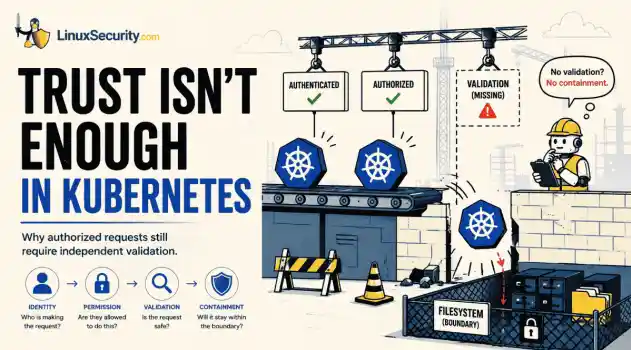
 Two newly fixed storage bugs in Kubernetes showed more than just a problem with path traversal. They found a common security flaw in the cloud: powerful parts often think that requests accepted by a higher system are safe to run. This is a simple lesson for the platform and security teams: RBAC can accept a request without showing that its parameters will stay within a certain filesystem boundary. This is clear from a new study from SentinelLabs into flaws in the Kubernetes CSI drivers for NFS...
 Jul 24, 2026
 security advisory update
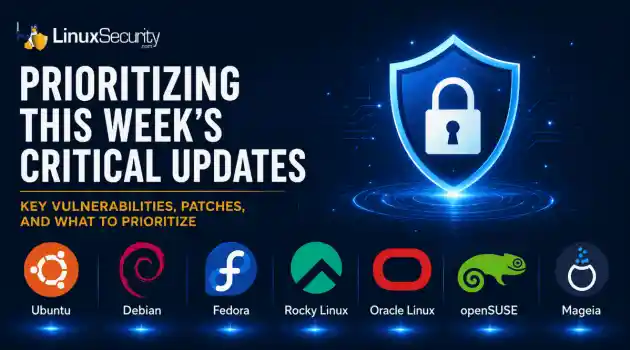
 A large volume of Linux security updates and advisories this week across major distributions once again, but it wasn't just the volume that was the story. Where maintainers and security teams focused their attention was evident in the concentration of fixes targeting Linux kernel updates, identity services, DNS infrastructure, and internet-facing software. . Instead of looking at each advisory in isolation, administrators gain more value from the general trends they reveal about Linux security...
Jul 23, 2026
 identity management security tactics
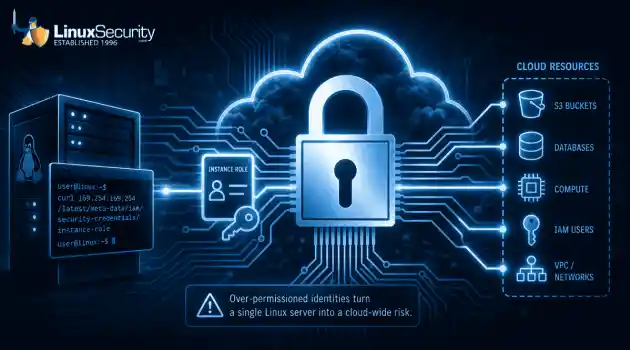
 For years, we secured our Linux infrastructure by building walls: VPCs, security groups, and hardened SSH configurations. We treated the cloud like a virtual data center, assuming that if we kept the "bad guys" out of the network, our workloads were safe. . That model is no longer sufficient. Today, one of the most common paths from an initial compromise to a major cloud breach is the identity assigned to your Linux workload. When an attacker gains code execution on a Linux instance—through a...
Jul 17, 2026
 security practices patch management
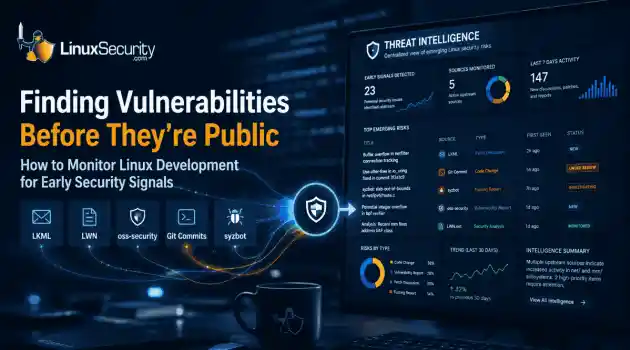
 Most of us don't hear about a kernel vulnerability until a CVE lands in our inbox or the vulnerability scanner starts complaining. By then, the patch isn't new anymore. Kernel developers may have been passing it around for review, arguing over the implementation, or revising it for days before anyone outside that community noticed it. None of those discussions are secret. They're sitting in mailing list archives, Git commits, and patch reviews where they've been the whole time. The strange...
Jul 14, 2026
 Linux security cyber attacks
 Every Linux server in your fleet produces thousands of events every minute. From journald logs and auditd records to kernel-level eBPF hooks, your systems are constantly talking. Most of that noise is just the mundane churn of system services, CI/CD runners, or routine administrative automation. But among that noise, an attacker might be establishing a foothold, moving laterally, or setting up persistence. The challenge for any security team is: how do you separate the routine from the...
Jul 13, 2026
 Refine features
X Clear Filters
Get the latest News and Insights
Get the latest Linux and open source security news straight to your inbox.
Community Poll
Should Linux servers automatically install security updates?
Loading...
Explore Latest Linux Security features
We found -2 articles for you...
102
 network securitywebsite developmentcybersecurity practices
Utilizing Open-Source Tools For Secure Website Development
Designing, developing, or managing a website requires a lot of effort. Fortunately, with modern open-source website builders and free online resources, even beginners can launch professional and secure websites. This article will discuss the basics of creating a website, including the technologies involved, best practices, and the best network security toolkits to implement. . There are no quick answers to the questions we will be reviewing. However, launching a website is faster and easier than most people expect. Resources like The Blog Starter help amateurs learn website creation, blog management, Search Engine Optimization (SEO), and blog growth techniques. Website builders and services like Expert Web Development in Hong Kong help beginners set up websites they are proud of. How Long Does It Take to Launch a Website? People planning to establish a website need to consider what variables are in play that could influence how long creation takes. Here are a few variables to keep in mind: Personal experience : Previous practice with designing and launching websites can give you a leg-up in building a new one. You might know some of the fundamentals of network security and basic setup that a beginner would not, and if you are new to the website-creating process, you could learn the basics in a matter of weeks. Project size and scope : Launching a blog with a few core and landing pages will take significantly less time than a completely new web application, which would require months in development. Ensuring you install the basics and network security websites required is also essential. Tools and staff : A free website builder or an entire team of in-house developers can make a project go much faster than if you are working alone or need more sophisticated tools to build your site. Budget : If you have the money, spending a little extra can expedite the development process to accelerate your timeline and finish the project sooner. Possible disruptions : Miscommunications andother issues can lead to delays or compromises within your process, interfering with your timeline. What Does the Website Creation Process Involve? Building and launching a website depends on how you approach the entire process. However, these are the general steps most people take throughout the creation: Initial brainstorming: Deciding the site's purpose and design is the critical first step to developing a plan for your website. Design: Create the site's architecture, aesthetics, and general design. Development: Work in tandem with design to approve each step of the process. Testing: Understand the importance of privacy sandboxes and cloud security scanners to employ ultimate security patching as quickly as possible to ensure your website offers quality and functionality to users. Launch: Promote your website once testing is complete. What Are the Best Cybersecurity Practices for a Website? When launching a website, you are responsible for the data and network security of the site, so ensuring you have the open-source tools in place to combat cloud security breaches is essential. Employing security patching for cybersecurity vulnerabilities prevents future attacks in network security that could inflict significant downtime, data loss, and website crashes. Here are the suggestions we recommend website builders utilize: Prioritize Security Patching : Developers must work quickly to download and install patches on a server. Fast, efficient patching in cybersecurity and enabling automatic updates is crucial for data and network security. Check for Server Vulnerabilities: Even a secure Operating System (OS) like Linux can face cybersecurity vulnerabilities if a server has poor administration and frequent misconfigurations. Port scanning, Linux intrusion detection systems, and reverse engineering can allow organizations to identify and fix network security issues. Understanding your system's architecture can help you notice any insecurities that could permitmalware into your system. So, cloud security scanners and Linux penetration testing for websites can help you find these risks before it is too late. Use a Web Access Firewall (WAF): A WAF in an uncomplicated firewall that protects web and API applications by monitoring and filtering HTTP/HTTPS traffic between senders and recipients to block malicious sources from entering a server, keeping suspicious activity out of a system. Initiate a Bug Bounty Program : A bug bounty program helps you to offer cash rewards to users who notify you of any cybersecurity vulnerabilities on your website. Developers can serve as your testers daily and benefit your business so no cybercriminals can bypass security. Leverage Penetration Testing : Penetration testing is a deliberate practice of white hat hacking that encourages your team to attempt to hack into your system so you can see how effective your data and network security protocols are. If someone breaks in, you need to improve security posture and defenses. Set up an SSL Certificate : Secure Sockets Layer (SSL) or Transport Layer Security (TLS) is a protocol for encrypting, securing, and authenticating communications on the Internet, providing encryption security that protects your site from malicious users. Analyze Logs : Flag and address any suspicious activity before it becomes detrimental. Scan Your Server Frequently : If you notice malware or suspicious activity, prevent those exploits in cybersecurity by taking care of the risk immediately following a scan. What Popular, Effective Open-Source Tools Should I Use? Here are the more reliable open-source network security websites and tools to employ that offer robust communities and efficient communication: Joomla Joomla offers a platform from which you can build a website, manage data, and publish content quickly. The thousands of free templates provide users with a chance to showcase their work. Intuitive What You See Is What You Get (WYSIWYG) editors help Joomlabeginners and experts enhance their websites, manage their media, and prioritize SEO capabilities. Unfortunately, there is no free hosting, and speed and compatibility issues could lead to data and network security threats if they are not patched. WordPress WordPress has over 8,000 free themes, media management tools, and draft and scheduling features. It offers control over user roles, permission, and more than 50,000 individual plugins to enhance your website. However, configuring the setup and data and network security is entirely up to the user, so beginners may not configure them appropriately, making WordPress security vulnerabilities possible. Drupal Drupal allows you to build a website without ever touching code. It's free and open-source, giving you the structure, content formats, roles, and permissions you need to build a website from scratch. There are 3,000 free themes available and more than 40,000 free modules. Nevertheless, Drupal has a steep learning curve, significant updates require additional effort, and specific custom applications may not mesh well with the software. Final Thoughts on Using Open-Source Technology to Quickly & Securely Launch a Website as a Beginner Open-source technology has democratized website building, allowing more people, including non-experts, to build, design, and secure the websites they've always envisioned. These free website and network security toolkits are often accessible, enabling quick launches. However, they also require you to remain conscientious about data and network security. By engaging in the best cybersecurity practices and understanding the unique downsides of open-source technology, you can launch your website quickly and cautiously. The future of network security threats could pose detrimental issues for organizations, and making sure your website is secure when creating it is the first step to bypassing any such risks. . Uncover strategies for leveraging open-source tools to create a fortified web platform whileadhering to industry standards.. Open-Source Technology, Website Builders, Network Security. . Brittany Day
 Oct 05, 2023
•
Oct 05, 2023
•
102
 network threatsemail securitycybersecurity practices
Interview With Guardian Digital CEO: Open-Source Email Security Insights
In this interview, Dave Wreski, Guardian Digital CEO and Founder discusses Guardian Digital's utilization of Open Source in the development of cutting-edge email security solutions and their advantages for your business email. . Security Spotlight: Interview with Dave Wreski, Founder and CEO of Guardian Digital Interviewed by Brittany Day Dave Wreski is the CEO and founder of Guardian Digital, a company that provides open-source email solutions to the many network security threats that impact individuals and businesses. Mr. Wreski started Guardian Digital as an Internet security enterprise offering open-source solutions to critical business problems in 1999 and has narrowed its focus on email security over time. Guardian Digital offers products that are highly effective in preventing phishing, spam, malware, and other attacks on network security. Dave Wreski is an expert in the field of email security, as well as an open-source advocate and active member of the Linux community. In this interview, he shares his knowledge of email security, email-related network security issues, and solutions Guardian Digital provides . Guardian Digital's email security solutions are unique in that they utilize open-source development and open-source software. What advantages does open-source email security provide over alternative proprietary email security solutions? There are multitudes of inherent advantages to using open-source development and open-source software that we provide to our customers so they can utilize them in their data and network security solutions. Compared to proprietary methods, open-source development often results in superior products because many developers are able to collaborate and improve upon ideas, leading to high levels of innovation in engineering. We believe open-source software is more secure over its lifecycle because of its transparency and accessibility. Open-source products with cybersecurity vulnerabilities are fixed rapidly upon detection. The specificopen-source programs we have chosen to use for our email security solutions have a long history of being highly secure, and any network security issues that existed prior to this were identified through peer review so they could be taken care of immediately. Open-source products are standards-based, making them freely accessible to everyone, unlike many proprietary alternatives. What are the shortcomings or downfalls of many email security solutions on the market today? In what ways is the email security that Guardian Digital provides superior? Guardian Digital’s email security solutions offer many advantages over our competitors’ solutions. We utilize a purpose-built operating system that is designed to be extremely secure. We stay updated on the latest cybersecurity trends so we can adhere to the latest standards in email security, which include implementing the highest level of encryption to protect information from unauthorized parties. Guardian Digital also provides the highest level of data and network security for email for no charge, unlike many companies that require customers to pay more for an upgrade. Can you talk a little bit about how being an active member of the Linux community has influenced your views on email security? How has Linux impacted Guardian Digital as an enterprise? We are very passionate about Linux and open source and have used it as the foundation of everything we do since our inception in 1999. Linux is an extremely reliable operating system with customizable software. As a result, we have always been an active member of the Linux community and give back as much as we can. One way we have done this is by sponsoring the development of LinuxSecurity.com, a website that Linux users can visit for the latest open-source updates and cybersecurity news. What do you feel are the biggest email-related threats that exist today? What do you recommend that companies do to protect themselves from these threats? How do the services that Guardian Digital offers protectorganizations from current email-related threats? Phishing is one of the most dangerous email-related network security threats because of the financial damage that can result from these types of scams. Phishing attacks in network security have become highly targeted and sophisticated, making them very difficult to detect. Spam is another significant problem because it has become so prevalent and negatively impacts all email users. Spam is difficult to detect and block and decreases worker productivity. Spam emails can convince people to share personal information or transfer money to criminals. Using a comprehensive, state-of-the-art email security solution like the ones that Guardian Digital provides is the most effective method of protection from any email-related network security issues. Guardian Digital's email security solutions are cloud-based. Can you discuss the various advantages of cloud services in regard to email security? Our open-source, cloud-based email security offers our customers various advantages. First, the server is built to be highly secure, adding yet another element of data and network security to our solutions. Emails must pass through an additional filter before they reach end users. We are able to store spam in the cloud, where we either eliminate it or quarantine it. We have developed highly secure cloud-based solutions to protect email accounts so that companies and individuals can focus on other aspects of business and life rather than whether or not they run the risk of facing cloud security breaches. Guardian Digital prioritizes top-notch customer service. In what ways is outstanding customer service a critical aspect of an effective email security solution? Offering our customers outstanding support and services is and always has been a priority for us. In many ways, the quality of the services we offer is just as important as the email security products we provide. Being an open-source email security company, we view the unrivaled service we offer our customersas the unique value that sets us apart from other enterprises. We realize email is a critical business function and have designed our services to ensure we’re there to help every step of the way with ensuring email is always secure. Guardian Digital is the first of its kind to take the best-of-breed network security toolkits in the Linux community and integrate them into enterprise email solutions with an intense focus on security and unrivaled customer support, designed to ease information technology overhead for its customers. It is this pioneering role we have played in engineering an unprecedented level of open-source security that has made Guardian Digital trusted by so many clients worldwide for almost twenty years. We don't just use existing programs but develop a whole infrastructure of services around them. We are continually at the forefront of the security field to ensure that our engineers preserve our leading-edge products and services as data and network security threats continue to evolve. . Discover insights from Guardian Digital's CEO, Dave Wreski, on how open-source solutions are transforming email security amid ongoing network threat challenges. Email Security, Open Source Solutions, Guardian Digital, Cybersecurity Practices, Cloud Services. . Brittany Day
Mar 28, 2023
•

102
 network securitymalwarerootkit
Malware Detection and Network Security Tips for Linux Users
The best and most secure Operating System (OS) by design is Linux. Most devices, including Android OS, mobile operating systems, Chromebooks, and tablets, use Linux as a baseline. Unfortunately, Linux has become a target for viruses and malware despite general beliefs that the OS is immune to such data and network security threats. No OS is capable of completely removing online risks. . We must recognize that Linux, though safer than other servers, can still fall victim to attacks in network security. Therefore, users must take precautions and integrate robust cybersecurity projects to protect businesses. Beforehand, however, you need to check your current Linux OS to make sure you are not facing compromise. This article will cover the Linux network security issues, cloud security scanners, and best practices to consider when dealing with any exploits in cybersecurity. What Threats Do Linux Users Face? Companies must utilize new strategies and network security toolkits to combat the growing popularity of Linux malware and ransomware . Regardless of what OS you use, whether Windows or Linux, you need to understand the risk your business faces. Linux was worth 5.33 billion USD in 2021, and its value has since increased, as there is an expectation that Linux will hold a value of around 22.15 billion USD by 2029. Due to Linux’s recognition as a strong combatant against malware attacks in network security, such exploits in cybersecurity have only expanded. Threat actors implement cross-platform ransomware between Android, Linux, and iOS to make their impact more harmful. Therefore, companies must research what network security threats they face and what services will help mitigate such risks best. Malware Malware is a blanket term for viruses and software designed to disrupt a smartphone, personal computer, laptop, or server by interfering with a computer network’s functions to create data leaks and cloud security breaches. Here are a few attacks to know when using Linux: State-Sponsored Attacks State-sponsored attacks occur when organizations and individuals monitor countries or nations to gain information. During the Russia-Ukraine dispute, companies deployed Wiper malware to see how nation-state groups reacted to the war. Internet of Things (IoT) Malware IoT houses a family of viruses, including Mozi, Mirai, and XorDDos, that can launch Denial-of-Service (DoS) attacks once they take over a server. Linux malware attacks in network security increased by thirty-five percent in 2021 because of these viruses. Cryptojacking Cryptojacking involves attackers using software specifically designed to generate cryptocurrencies through computational resources. The first cryptojacking case reported was in 2018, when a threat actor infiltrated Tesla's Kubernetes. The most significant crypto-miner families are Sysrv and XMRig. Ransomware Ransomware blocks access to your device and encrypts all your data. Notable ransomware gangs like Hive, REvil, DarkSide, and Conti carefully plan and execute malware samples to target assets in a Linux host during a cloud security breach. Conti and Defray777/RansomExx currently work together to inflict harm on businesses. Rootkits Rootkits are malicious software programs malicious hackers use to gain privileged, administrative access to an OS, interfering with how your computer functions and processes data. Once activated, a rootkit can cause more damage, as it can integrate Trojans, keyloggers, bots, and ransomware to harm your data and network security. Lightning framework, or Swiss Army Knife, can be a backdoor that grants threat actors the opportunity to install rootkits with Secure Shell (SSH). Popular Open-Source Malware/Virus/Rootkit Scanners Here are a variety of open-source cloud security scanners and network security toolkits to consider when integrating cybersecurity projects into your Linux system and business: Lynis Lynis is an incredible open-source cloud security audit scanner that assists securityprofessionals and system administrators by scanning devices and security systems. Lynis hardens your devices against cloud security breaches and data leaks. This scanner works well with Linux, BSD, and macOS devices. Chkrootkit Check Rootkit helps protect your device from malware, botnets, and rootkits through easily navigable resources. It's simple to install, which is excellent for beginners, and it has been repeatedly tested to ensure it can still combat data and network security threats. Linux Malware Detect Linux Malware Detect (LMD) is one of the best open-source malware scanners available, as it uses signatures created through network Intrusion Detection Systems to detect malware. This Linux malware scanner goes through specific files and systems based on your needs. ClamAV ClamAV works well for all devices, including macOS, BSD, and Windows. It includes a GUI version to catch malware, viruses, and trojans. This is the most frequently utilized anti-virus software for Linux users, and you can install it right here. Top Tips to Prevent Malware Attacks on Linux Here are a few practical solutions to protect your data and network security on Linux: Use Strong Passwords Simple-to-remember passwords are the easiest to guess, so you must implement complicated, strong passwords on Linux devices and applications. Passwords should consist of letters, numbers, and special characters, and you should turn on Multi-Factor Authentication (MFA) to keep your servers extra safe. Restrict User Access Minimize user privileges only to what workers need and nothing more. This keeps your Linux devices protected from network security threats. Only trusted users who need advanced access should be granted such privileges. Use a VPN When browsing online, use a VPN so your Linux device does not pick up viruses from different websites. Every device and server has a VPN, such as this one for Chrome . Install a suitable VPN so you can browse safely. Pay Attention to Fine Logs Linuxdevices offer several logs with tons of information you can scan, so read the information for any possible discrepancies or exploits in cybersecurity. You can use various network security toolkits to perform this scanning automatically, saving time and energy. Keep Your Device Updated People with old or un-updated devices face the brunt of attacks in network security that infect their systems with viruses. You must keep your servers up-to-date to avoid ten times more cybersecurity vulnerabilities than fully updated businesses. Make sure to update your Linux device regularly. Our Final Thoughts on How to Check if Your Linux System is Infected with a Virus Malware and ransomware on Linux devices have become a growing issue, so you must protect your business with all methods applicable. Remember the network security threats you might face and the scanners and tips we have recommended to assist you. Use these best practices to stay on track in protecting your Linux devices and systems against attacks in network security that could lead to compromise. . Safeguard your Linux environments against malicious entities through robust scanning solutions, proactive measures, and an all-encompassing reference for individuals.. Linux Malware Detection, Cybersecurity for Linux, Linux Security Practices, Linux Network Threats, Open Source Security Tools. . Brittany Day
Jan 23, 2023
•

Get the latest News and Insights
Get the latest Linux and open source security news straight to your inbox.
Community Poll
Should Linux servers automatically install security updates?
Search Topics
Powered By

Linux Security - Your source for Top Linux News, Advisories, HOWTOs and Feature Releases
QUICK LINKS
subscribe to newsletters!
Like staying secure? So do we.
Sign up for updates, tips, and alerts!