Explore top 10 tips to secure your open-source projects now. Read More
×


Stay Ahead With Linux Security Features
 identity management security tactics
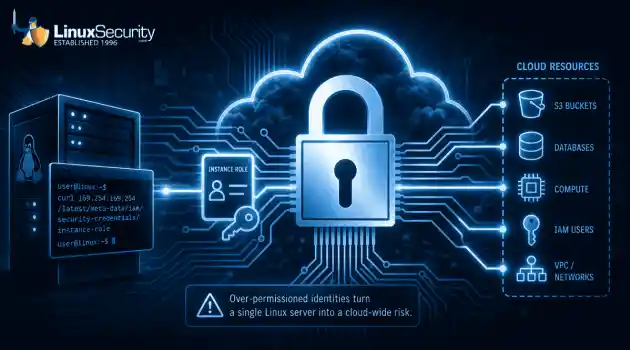
 For years, we secured our Linux infrastructure by building walls: VPCs, security groups, and hardened SSH configurations. We treated the cloud like a virtual data center, assuming that if we kept the "bad guys" out of the network, our workloads were safe. . That model is no longer sufficient. Today, one of the most common paths from an initial compromise to a major cloud breach is the identity assigned to your Linux workload. When an attacker gains code execution on a Linux instance—through a...
 Jul 17, 2026
 security practices patch management
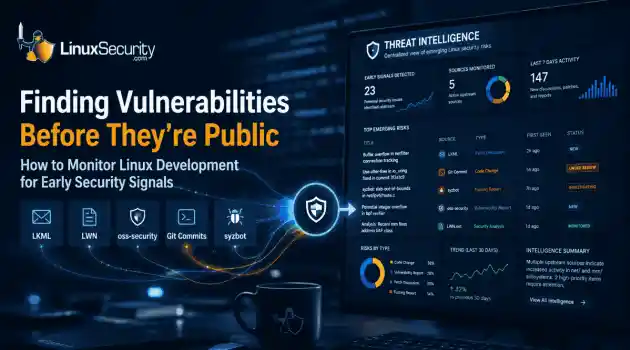
 Most of us don't hear about a kernel vulnerability until a CVE lands in our inbox or the vulnerability scanner starts complaining. By then, the patch isn't new anymore. Kernel developers may have been passing it around for review, arguing over the implementation, or revising it for days before anyone outside that community noticed it. None of those discussions are secret. They're sitting in mailing list archives, Git commits, and patch reviews where they've been the whole time. The strange...
Jul 14, 2026
 Linux security cyber attacks
 Every Linux server in your fleet produces thousands of events every minute. From journald logs and auditd records to kernel-level eBPF hooks, your systems are constantly talking. Most of that noise is just the mundane churn of system services, CI/CD runners, or routine administrative automation. But among that noise, an attacker might be establishing a foothold, moving laterally, or setting up persistence. The challenge for any security team is: how do you separate the routine from the...
Jul 13, 2026
 open-source infrastructure risk
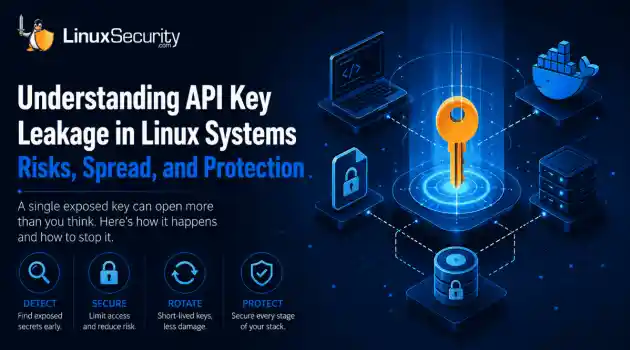
 Security scanners flag exposed API keys in public repositories every day. The initial response is usually predictable: delete the commit, revoke the credential, and move on. That’s a mistake. . In a real Linux environment, an API key never stays in one place. By the time it hits a public repo, it’s already everywhere. It’s in the CI/CD pipeline. It’s in your container registry. It’s in the build logs. It’s in the backups. Git makes this worse because the history never dies. Deleting a file in...
Jul 11, 2026
 open-source rootkit
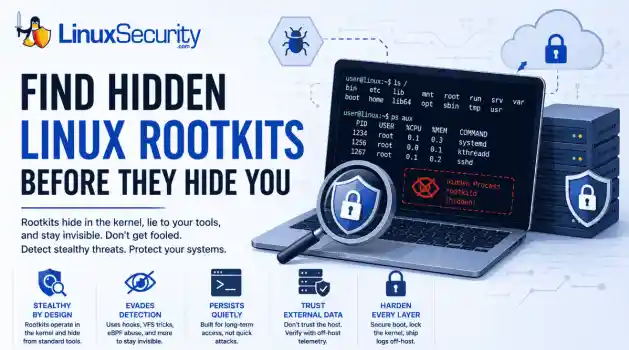
 Most of us think of Linux rootkits as ancient history—the stuff of 90s hacking forums and clunky malware that would crash your system if you looked at it the wrong way. But if you think they’ve gone away, you’re mistaken. They’ve just gotten smarter. . Modern attackers aren't using the noisy tools of the past. Today’s threats are surgical. Many of today’s most advanced Linux rootkits operate at the kernel level or abuse legitimate system features to blend in with normal traffic. They’re...
Jul 09, 2026
 Refine features
X Clear Filters
Get the latest News and Insights
Get the latest Linux and open source security news straight to your inbox.
Community Poll
Should Linux servers automatically install security updates?
Loading...
Explore Latest Linux Security features
We found -3 articles for you...
102
 security riskssecurity auditsvulnerability detection
Examining Open-Source AI Risks: Mitigation Strategies for Security Admins
Taking advantage of open-source AI's benefits while mitigating potential associated risks is an ongoing struggle and balancing act for security admins. While leaders such as Hugging Face CEO Clem Delangue highlight open-source AI's ethical transparency and sustainability , other experts, including Geoffrey Hinton , caution against its misuse by bad actors. Real-world vulnerabilities, including malicious packages in PyPI and npm repositories, highlight the necessity for robust security measures as open-source AI development continues to advance. . In this article, I'll examine the inherent risks of open-source AI, offering Linux and open-source security administrators actionable strategies to safeguard their systems. From thorough vetting processes for open-source libraries to regular audits identifying vulnerabilities, we'll explore comprehensive mitigation techniques to ensure your AI implementations remain safe and trustworthy. Let's begin by discussing the pros and cons of open-source AI. The Promise and Perils of Open Source AI Open-source AI holds significant promise due to its transparency and collaborative innovation, according to Clem Delangue, CEO of Hugging Face. Rahul Roy-Chowdhury of Grammarly praises Open Source for helping ensure ethical transparency while being a more sustainable long-term strategy. According to him, its transparency compels developers to prioritize responsible decision-making over performance. Similarly, Rahul Roy-Chowdhury commends open source for bringing light into a sometimes dark world of AI development while assuring safety and trustworthiness. An esteemed AI pioneer, Geoffrey Hinton, has expressed grave reservations about open-sourcing AI models. Hinton worries that bad actors could use open-source models for malicious purposes like creating bioweapons. Indeed, recent hacking cases on repositories like PyPI and npm demonstrate the dangers posed by open-source vulnerabilities being exploited maliciously. Security Threats in Open-SourceRepositories Open-source repositories such as PyPI and npm introduce an unprecedented security risk when used extensively for AI development. While they provide developers with invaluable code libraries, their openness makes them prime targets for attackers looking to introduce malicious packages, which may spread quickly, potentially causing widespread damage before being identified and removed by admins. These malicious packages, often appearing to be legitimate ones, are designed to carry out harmful activities, such as installing backdoors or exfiltrating sensitive information from systems globally. With millions of downloads daily, malicious PyPI and npm packages could cause irreparable harm and compromise system security. Mitigation Strategies for Developers & Security Administrators Given the inherent vulnerabilities associated with open-source AI implementations, security admins must employ robust strategies to minimize risks. Below are key approaches we recommend security administrators take when protecting open-source AI implementations. Thorough Vetting Processes for Libraries Implementing a rigorous vetting process for open-source libraries is key in mitigating risks. Before adding any library to their project, security admins should conduct thorough investigations of its source, maintainers, and community reputation. Opting for verified packages is typically safer, and cross-referencing libraries against multiple sources and tools with health metrics for packages assist in making more informed decisions. Developers should adhere to best practices when choosing libraries for their projects, such as using reliable sources. Examining dependency trees regularly to understand which packages are being called into projects can help detect any vulnerabilities associated with these dependencies, helping protect against potential security threats. Regular Security Audits Security audits are essential to maintaining the integrity of AI systems. Auditing involves reviewing andassessing systems systematically to detect vulnerabilities. Security admins should conduct regular codebase audits when new libraries are added to a codebase. This helps detect any unauthorized changes or malicious code if present. Collaborating with independent security firms to conduct comprehensive assessments provides a more objective review of your system's security posture and may bring fresh perspectives, potentially uncovering previously overlooked vulnerabilities. Monitoring codebase changes with periodic comprehensive security reviews helps keep systems robust against emerging risks. Use Tools to Detect Vulnerabilities Given the increasing sophistication of attacks, manual checks alone cannot keep up. Security admins should leverage advanced tools to detect vulnerabilities in open-source software, such as static and dynamic analysis tools that scan large amounts of code efficiently for security flaws that might otherwise go overlooked during regular review processes. Tools like OpenSCAP can help evaluate compliance with security policies and identify any misconfigurations, providing real-time feedback about the security status of codebases and enabling timely interventions if needed. Furthermore, tools like Dependabot and Snyk that specifically monitor dependencies for vulnerabilities can also be invaluable in maintaining a secure environment. Education and Training It is essential to equip development and security teams with the knowledge and skills to use open-source AI safely. Regular training sessions on secure coding practices , threat detection, and response will equip these teams to identify and mitigate risks effectively. Staying abreast of the latest AI security developments and creating an organizational culture of security awareness can significantly strengthen your overall security posture. Balance Innovation with Security The debate surrounding open-source AI is far from over. According to Mark Zuckerberg , open-sourcing AI models can democratize accessto their benefits while opening them up to greater public scrutiny and improvement. Unfortunately, however, this democratization exposes AI innovations to misuse by bad actors. Finding a balance between innovation requirements and stringent security measures remains a complex challenge for security administrators. Navigating this difficulty requires an approach that embraces the collaborative nature of Open Source while protecting against its risks. Admins and developers can ensure safe and sustainable AI development projects by employing comprehensive vetting processes, regular security audits, advanced vulnerability detection tools, and creating an atmosphere of security awareness among Linux and open-source security admins. Our Final Thoughts on Secure AI Development Practices Open-source AI offers both remarkable opportunities and distinct risks. As security admins, we are responsible for protecting AI projects against potential threats while simultaneously encouraging innovation. Gaining an in-depth knowledge of these risks, employing comprehensive mitigation strategies, and practicing continuous vigilance will play a pivotal role in maintaining open-source AI safely as its development continues to evolve. . Explore the risks of open-source AI and essential strategies for security admins to safeguard their systems effectively.. taking, advantage, open-source, ai', benefits, while, mitigating, potential, associated, risks. . Brittany Day
 Feb 18, 2025
•
Feb 18, 2025
•
102
 security practicessoftware securitymitigation strategies
Mitigating Open-Source Software Risks for Enhanced Security
Open-source software, or OSS , has completely changed the technology sector by enabling developers anywhere to work together and produce creative solutions faster. However, security issues are a significant worry, just like in any digital environment. Therefore, you should take precautions to secure any open-source software you use. . Businesses repurpose open-source software and must have a strategy to handle the open-source security threats that could be introduced into their IT estates by third-party source code. This article explains how to manage open-source software security risks and vulnerabilities and defines how to achieve robust open-source security. What Are the Security Risks of Open-source Software? Most people use open-source software due to its freedom to modify and customize the code according to user needs. Even people look for open-source streaming devices as most are locked to be used with the manufacturer's recommendation. For example, Amazon Fire Stick comes locked to be used with specific services like Prime Video, Netflix, HBO Max, and other popular streaming services. However, many users want to use the device as per their requirement and prefer using more services for which they choose to unlock their device. Now, unlocking your Amazon Firestick opens the door to exploring more apps and streaming services. The advantage of doing this is that users can use affordable and free services to meet their needs. Although unlocking any device brings some security concerns, that happens with every open-source tool or software that allows customization or modification. To learn more about OSS security threats, let's examine a few security concerns that may come from using open-source code. Known Vulnerabilities The most dangerous security risk is open-source code with a known security flaw. Security flaws are documented in open databases such as MITRE CVE . The databases describe the software versions susceptible to attack and provide instructions on launching theattacks. Although developers can use this information to address security flaws, attackers can also utilize it to exploit software vulnerabilities. As a result, attackers can quickly take advantage of open-source modules, libraries, or other components used by businesses that are vulnerable to known security flaws. Inaccurate Setups Businesses occasionally utilize open-source software that is not set up in the safest manner feasible. Businesses may, for instance, use open-source container images that execute commands as root (unsecured). Alternatively, depending on a business's specific requirements, a sophisticated open-source platform may come with access control settings that are not overly permissive. In certain situations, maliciously designed software may facilitate or broaden attackers' attack surface for exploiting vulnerabilities. Lack of visibility Sometimes, programmers use open-source code without properly crediting the author or documenting the source. It becomes challenging to guarantee that they adhere to standard practices for securely handling the code. For example, the code's original authors may have provided documentation on configuring it safely. Still, if the code is reused in a way that makes it unclear where it originated from or what security precautions its creators advised, it might be challenging to follow those guidelines. How Can I Mitigate the Risks of Open-Source Software to Achieve Robust Security? Luckily, there are practical measures you can take to mitigate the risks discussed above and achieve robust open-source security: Identify open-source risks. Organizations risk legal action and intellectual property theft if open-source licenses are broken. Similarly, using antiquated or subpar components might lower the caliber of applications that utilize them. Do you have the most recent version of the open-source component installed? Is it the steadiest? Does a strong community actively maintain the component? Examine your available sources. Makingan inventory of all the open-source components your teams utilize to produce software should be your first step because you can't secure what you're not tracking. A comprehensive inventory must include every open-source component, the version(s) used, and the download locations for all active and upcoming projects. All dependencies—the libraries your code references and/or the libraries to which your dependencies are linked—must also be listed in your inventory. Employ the best IT professionals. If you still need to acquire in-house human capital for your open-source projects, your first move should be to bring the right people on board or locate the best software outsourcing provider. Severe vulnerabilities can be easily caused by an open-source community devoid of security expertise and a security team that lacks an understanding of the project design. When employing candidates, evaluate their knowledge practically rather than just focusing on their credentials. Even if someone has all the qualifications on paper, you shouldn't hire a Linux security expert who has never heard of Apache Struts. Select a strong password, and keep it confidential. The cornerstone of any open-source project's security is password protection. Don't share your password with anyone; never use a password visible to everyone. It is advisable always to think that someone is observing you and trying to obtain your passwords. Strong passwords and a password manager are reasonable security measures. Maintain privacy for your open-source project. Verify someone's identity and motive whenever they request access. When in doubt, refuse entry, and be mindful of the dangers of permitting excess. When signing your releases, use a code-signing certificate. Code signing certificates are the digital security credentials needed to sign scripts and executables containing your software's cryptographic key. These digital signatures guarantee that the file is authentic and hasn't been altered since your private key was used to signit. SSH is the protocol of choice for accessing your code repositories. If you're using the Git or Subversion source control management system, use SSH to access your repositories. This guarantees you can only connect with the proper credentials and stop brute-force assaults. Backup and encrypt your data and files. Encrypting and backing up your data and files is crucial in ensuring your OSS is secure. Encryption can shield your data from theft or unwanted access, mainly if you use OSS on cloud or mobile platforms. You can use programs like LUKS , VeraCrypt , or GnuPG to encrypt your data. Backups can aid in data recovery during data loss, corruption, or ransomware attacks. Instruct and prepare yourself and your users. Lastly, you should train and educate yourself and your users on open-source software's hazards and best practices. Adhering to the directives and suggestions provided by open-source software development (OSS) groups and reliable resources such as OWASP , NIST , or SANS is advisable. Additionally, you should instruct your users on how to stay safe from common dangers like phishing and malware. Check your code frequently for security flaws. The best way to automate your code audits is to use code audits. They don't need human assistance to identify common weaknesses. Using Git hooks , you may set them up to execute automatically with each new commit or pull request. This guarantees that all units in your repository are scanned for security flaws each time a new branch for a feature set is created. Our Final Thoughts on Open-Source Software Security An open-source project that is secure has a much higher chance of success than one that is insecure. Although there are many things you can do to make sure your project is effectively safeguarded, any secure open-source venture must surely start with the recommended practices covered in this article. Checking for vulnerabilities regularly can help you know what changes to make in your open-source securitystrategy. Moreover, training your staff to identify and rectify security risks can help your company enhance the security of your software and data. . Explore methods to handle vulnerabilities in open-source projects and discover best practices for ensuring resilient security measures.. Open-Source Software,Risk Mitigation,Security Strategies,OSS Management. . Brittany Day
May 05, 2024
•


Get the latest News and Insights
Get the latest Linux and open source security news straight to your inbox.
Community Poll
Should Linux servers automatically install security updates?
Search Topics
Powered By

Linux Security - Your source for Top Linux News, Advisories, HOWTOs and Feature Releases
QUICK LINKS
subscribe to newsletters!
Like staying secure? So do we.
Sign up for updates, tips, and alerts!