Audit Linux privileges now to limit compromise, escalation, and system-wide damage. Review Linux Privileges×


Security Vulnerabilities  cisa kev vulnerability prioritization
cisa kev vulnerability prioritization Organizations should combine the NVD and CISA KEV catalog to prioritize vulnerabilities effectively, focusing on managing real risks rather than being overwhelmed by theoretical scores and alert fatigue.. To solve this, organizations typically lean on the National Vulnerability Database (NVD) and CISA’s Known Exploited Vulnerabilities Catalog. But these aren’t competing lists. They answer two entirely different questions. While the NVD provides baseline technical metrics aligned with the...
 Jul 22, 2026

Desktop Securitysecurity advisory vulnerability
security advisory vulnerability GNOME is officially shortening its standard vulnerability disclosure window from 90 days to 30 days, a change that impacts upstream maintainers, downstream Linux distributions, and system administrators in how they handle software vulnerabilities. The policy shift, announced by long-time security coordinator Michael Catanzaro , addresses modern software patching realities and a growing influx of automated submissions. . Because GNOME is the default desktop environment on several major Linux...
Jul 21, 2026

Security Vulnerabilities security advisory moderate
security advisory moderate For organizations that run a self-hosted Git platform, it’s no longer just about hosting static code repositories. Today, Git servers are responsible for deployment pipelines, API tokens, SSH keys, package repositories, and the automation scripts that push code directly. Confirm that the upgrade addresses known vulnerabilities but also provides production environments. . That makes them trusted systems within the development environment and attractive targets for attackers looking to move...
Jul 20, 2026

Server Securitydata privacy automation
data privacy automation Every system admin has lived through the same Monday morning ritual. A queue of forty tickets, half of them password resets, permission errors, or disk space warnings that any experienced technician could resolve in under two minutes. The other half require actual judgment. For years, automation promised that software would eventually sort the two apart on its own. That promise is now being tested in production Linux environments. . Early results are reshaping how IT teams think about tier-1...
Jul 17, 2026

Privacydata collection automation
data collection automation You're running a web scraping project to collect pricing data from e-commerce sites. You set up a pool of datacenter proxies, launch your scripts, and within minutes — banned . CAPTCHAs everywhere. Your data pipeline stops before it really begins. . It's a frustrating scenario that plays out daily in ad verification, market research, and multi-account management. The website doesn't know you're doing legitimate research or monitoring. It just sees traffic coming from IP ranges it recognizes as...
Jul 17, 2026
 Refine news
X Clear Filters
Get the latest News and Insights
Get the latest Linux and open source security news straight to your inbox.
Community Poll
Should Linux servers automatically install security updates?
Trending News
Loading...
Explore Latest Linux Security news
We found 8 articles for you...
210
 security advisorycriticaldata leakage
NVIDIA Issues Advisory for Critical IPC Data Leakage CVE-2025-23254
Artificial Intelligence and Machine Learning have become integral components of today’s enterprise infrastructure, transforming how businesses operate and innovate in everything from predictive analytics to automation. However, with great technological advancements come equally significant challenges—particularly when it comes to cybersecurity. The recent disclosure of a critical vulnerability ( CVE-2025-23254 ) in NVIDIA’s TensorRT-LLM framework is a crucial reminder of this, demonstrating that no matter how advanced AI systems are, they remain susceptible to exploitation if security measures are overlooked. . In this article, we’ll explore the details of this vulnerability, its potential impact on AI systems, and the practical steps admins can take to address the issue. Whether your organization is using TensorRT-LLM for massive Machine Learning pipelines or experimenting with AI models for a competitive edge, understanding how to safeguard your workloads has never been more critical. What Is TensorRT-LLM & How Is It Used? NVIDIA's TensorRT-LLM framework is a high-performance library designed to optimize and deploy large language models (LLMs) for production use. It’s tailored to make inference faster and more efficient, using GPUs for big workloads like GPT or Transformer-based models. For instance, as a Linux admin, you'd use it to set up and manage systems that serve LLMs for tasks like chatbot servers to handle high traffic without latency issues or generate technical documentation. This might involve installing NVIDIA GPUs, setting up TensorRT libraries, and configuring Docker containers or Kubernetes clusters for deployment while making sure that hardware use is optimized. NVIDIA recently disclosed a vulnerability affecting TensorRT-LLM's Inter-Process Communication (IPC). IPC is an essential feature that enables internal application components to exchange data and instructions effortlessly. However, improper validation in its Python-based implementation could lead to dataleakage, allow attackers to inject malicious code without authorization, or potentially disrupt AI workflows. This could result in serious repercussions for organizations handling proprietary algorithms or high-value datasets. Breaking Down CVE-2025-23254 CVE-2025-23254 exploits vulnerabilities in how TensorRT-LLM validates inputs provided through its Python IPC mechanism. Incorrect validation allows attackers to inject code remotely, gain unauthorized access to processes, or cause applications to behave unexpectedly. Adding further complexity, many administrators unaware of these risks have disabled HMAC encryption, an important safeguard that would mitigate such threats. HMAC (Hash-Based Message Authentication Code) keeps data transmission between components of AI applications intact by verifying it has not been tampered with. HMAC encryption provides a critical layer of defense against exploits; however, configurations that disable HMAC leave systems much more exposed to risks related to lax or misconfigured defenses in AI frameworks. NVIDIA has taken swift action in response to this disclosure, quickly issuing TensorRT-LLM version 0.18.2 with critical patches to address validation flaws while strengthening security capabilities for production environments. Now that patches have been released, we admins must act promptly, as delaying updates could leave our systems exposed and vulnerable to exploitation. Why This Vulnerability Is a Big Deal for AI Workloads Cybersecurity vulnerabilities are nothing new; however, the stakes become even higher when they affect an AI framework like TensorRT-LLM. AI workloads frequently deal with sensitive data, proprietary algorithms, and real-time decision-making processes essential for businesses' operations. An attacker could gain access to these processes through large language models, resulting in data theft, disruption to critical services, or even indirect damage to an organization's reputation. The complex interdependencies of AI systems leadto additional complications. TensorRT-LLM doesn't operate independently from larger frameworks, pipelines, and dependencies—it often integrates into larger frameworks, pipelines, and dependencies—so an exploit could easily cascade into wider disruptions to adjacent applications, dependent systems, and customer-facing tools. Imagine having your AI-powered chatbot taken offline due to compromised infrastructure. What may seem like a minor vulnerability quickly becomes a huge business risk! AI adoption has increased drastically over recent years, yet many security practices surrounding these complex systems remain inadequate. As attackers adapt their techniques and attack methods, organizations must shift away from reactive measures toward proactive defense strategies. This recent TensorRT-LLM vulnerability exemplifies the importance of treating AI workloads like high-value assets deserving more robust protection measures. Steps Linux Security Admins Should Take to Mitigate Risk Linux security administrators are the front line against vulnerabilities like CVE-2025-23254. Taking clear and actionable steps to mitigate risk and ensure AI workloads running TensorRT-LLM remain safe will help protect AI workloads running TensorRT-LLM. The top priority for TensorRT-LLM users should be to install version 0.18.2 immediately, as NVIDIA's update contains critical fixes to address an IPC validation flaw, rendering this vulnerability obsolete. Delays in applying security patches give attackers longer to exploit known vulnerabilities. Upgrading immediately allows your environment to take advantage of NVIDIA's increased protection measures. Then, reconfirm the encryption settings for your systems. HMAC encryption, in particular, is integral in protecting IPC data. If it was disabled during initial setup or performance optimization, reenabling it should be an essential priority. Conduct an audit of AI workloads and configurations to ensure encryption protocols are enforced across the board. Encryptionprevents data tampering while decreasing risk by acting as a proactive barrier against exploitation. Admins should take this opportunity to assess their systems' broader security posture. AI tools are increasingly complex as they integrate with multiple services and frameworks. When managing high-value AI environments, they require careful mapping of dependencies, monitoring IPC traffic levels, and tightening access controls. Regular security audits, vulnerability scans , and penetration testing tailored to AI workloads should become standard operations procedures within any organization that uses TensorRT-LLM frameworks or similar models. Beyond Patch Management: Building a Secure AI Culture Patching and encryption provide immediate fixes for the TensorRT-LLM vulnerability. Still, they should only be seen as part of a larger strategy to build a secure AI culture across your organization. For their protection, AI systems must receive equal consideration as databases, cloud services, or any other IT infrastructure components. Education and training can help drive this mindset shift. Security admins, developers, and data scientists must have an in-depth knowledge of the risks inherent to AI systems and frameworks. Teams need to remain up-to-date on emerging threats, vulnerabilities, and best practices related to AI security. Consider also incorporating tools and practices specific to AI environments, such as monitoring abnormal model behavior or setting safeguards against adversarial attacks. AI systems are uniquely susceptible to attacks targeting their computational operations or decision-making logic, something standard IT security measures might miss altogether. By pairing traditional security workflows with AI-specific tools , your organization will be fully prepared against modern threats. Our Final Thoughts: Proactive Cybersecurity Is Key NVIDIA's recent discovery of a critical vulnerability in TensorRT-LLM serves as an eye-opener, reminding us of the critical nature ofcybersecurity in AI environments. As AI systems become more prevalent, attackers are increasingly targeting their frameworks and applications, exploiting gaps in security configurations or patch management workflows. We must take decisive steps to safeguard these systems from vulnerabilities like CVE-2025-23254 that could compromise sensitive workloads. Through timely patch installation, HMAC encryption enforcement, and system-wide audits, we can help keep AI environments protected while minimizing operational disruptions. Creating an AI cybersecurity culture within our organizations will also equip them to handle threats more efficiently in the future. AI adoption brings immense potential, but only for organizations that proactively protect their systems. Admins and organizations can continue their AI-supported work without losing ground to malicious actors by investing time and resources into AI-specific cybersecurity practices to defend against threats like this recent TensorRT-LLM flaw. . Discover the NVIDIA TensorRT-LLM critical vulnerability and learn how to protect AI workloads from potential threats.. TensorRT-LLM, AI Security, NVIDIA Vulnerability, IPC Security, Cybersecurity Measures. . Brittany Day
 May 06, 2025
•
May 06, 2025
• Security Vulnerabilities
210
 security analysislinux securitydata leakage
Exploring GhostRace Attack: Critical Threats Affecting Major CPUs
A new data leakage attack called GhostRace ( CVE-2024-2193 ) was recently discovered. It affects major CPU manufacturers and widely used software. This critical analysis will investigate the implications of this attack and discuss its significance for Linux admins, infosec professionals, and Internet security enthusiasts. . What Is the GhostRace Attack? IBM and VU Amsterdam University researchers have identified a new type of attack called GhostRace. This attack exploits speculative race conditions (SRCs) to leak sensitive information from a system's memory. Speculative execution, a technique commonly employed in CPU attacks, is combined with race conditions to bypass synchronization primitives implemented in operating systems, enabling the leakage of critical information. Race conditions exist when there is insufficient synchronization with a shared resource, allowing multiple threads to access it simultaneously. The GhostRace attack presents a significant threat to security practitioners and organizations relying on major CPU manufacturers. This attack highlights the vulnerability of software utilizing conditional branches without any serializing instructions. The fact that all major hardware vendors, including Intel, AMD, Arm, and IBM, are impacted indicates the breadth of the issue. Researchers have used the term "Speculative Concurrent Use-After-Free (SCUAF)" attack to describe the GhostRace attack technique. This points to the creative ways attackers exploit vulnerabilities, emphasizing the need for vigilant security practices and continuous monitoring. The GhostRace attack also uses Inter-Process Interrupt (IPI) Storming, a new technique researchers employ to interrupt the victim process and perform the SCUAF attack. This raises questions about the effectiveness of current measures to prevent such interruptions and highlights the importance of implementing robust defense mechanisms at the hardware and software levels. The extensive research conducted by the IBM and VU Amsterdamteams includes identifying potentially exploitable gadgets in the Linux kernel . This information is invaluable for Linux admins and developers when assessing their systems' vulnerability. However, the lack of immediate action by Linux developers due to performance concerns may concern security practitioners. What Are the Implications and Long-Term Consequences of This Threat? The GhostRace attack severely impacts security practitioners and organizations relying on CPU manufacturers and software vendors. It exposes the vulnerabilities in synchronization primitives and speculative execution techniques, which may have long-term consequences for designing and implementing future CPUs and operating systems. Security professionals must be proactive in their approach to mitigating this threat. They should actively monitor for any advisories or updates from CPU and software vendors, such as AMD and Xen, to address the GhostRace vulnerability. Also, Linux admins should consider implementing the IPI rate-limiting feature to enhance their security. Our Final Thoughts on the GhostRace Attack The GhostRace attack unveils a new type of data leakage attack that compromises the security of major CPU manufacturers and widely used software. We emphasize the importance of staying informed about emerging vulnerabilities and taking proactive measures to secure systems against such threats. By addressing the issues raised by GhostRace, it is possible to fortify security practices and protect critical data from malicious actors. . Spectral Chase vulnerability affects top providers. Examine its consequences for Unix administrators and cybersecurity experts.. GhostRace Attack, CPU Security Threats, Data Leakage Techniques, Speculative Execution. . Brittany Day
Mar 15, 2024
•
Security Vulnerabilities

210
 security advisorysecurity issuesecurity patch
Linux Kernel Security Advisory: 32-Bit Arm Devices—Information Disclosure
Security researchers have discovered an information disclosure vulnerability in the Linux kernel that can be exploited to leak data, at least on 32-bit Arm devices. A patch for the vulnerability has already been merged in the mainline kernel. . Disclosed by experts at Cisco Talos, the bug, tracked as CVE-2020-28588, could allow an attacker to view the contents of the kernel stack memory and can also be used as a springboard for further compromise. The Cisco researchers first discovered this issue on an Azure Sphere device version 20.10, which is a 32-bit Arm device that runs a patched Linux kernel. . Unveil the recently identified data leak vulnerability within the Linux kernel, which presents threats to 32-bit Arm architecture devices.. Linux Kernel Exploit, Data Leak Vulnerability, Arm Security Threats. . Brittany Day
Apr 30, 2021
•
Security Vulnerabilities
81
 risk managementprivacy issuesoftware development
Rust Programming Privacy Issue: Sensitive Debug Info Leaks Detected
Rust developers have repeatedly raised concerned about an unaddressed privacy issue over the last few years. . Rust has rapidly gained momentum among developers, for its focus on performance, safety, safe concurrency, and for having a similar syntax to C++. StackOverflow's 2020 developer survey ranked Rust first among the "most loved programming languages." However, for the longest time developers have been bothered by their production builds leaking potentially sensitive debug information. . As Rust's adoption continues to rise, concerns among developers about potential exposure of sensitive debugging information in production environments are increasing.. Rust Programming, Debugging Issues, Data Privacy. . LinuxSecurity.com Team
Apr 04, 2021
•
Privacy
210
 security advisorysecurity updatesoftware fix
Firefox: Latest Update Resolves Critical Data Leakage Issue
Have you heard about the cryptographic data leakage in Firefox's latest security update? It has now been fixed. Learn how to check if you have the update - and be sure to install it immediately if you do not. . We don’t know whether lockdown has anything to do with it, but how time flies! We couldn’t believe it either – it’s four weeks since Firefox’s last regular security update. If you want to check your version numbers, Firefox 76.0 is now replaced by 77.0; Firefox 68.8.0ESR is now 68.9.0ESR, and the Tor Browser, based on Firefox ESR, is now at version 9.5 and based on 68.9.0ESR. . Mozilla has rolled out a security patch to rectify a vulnerability linked to sensitive data exposure in Firefox. Be sure to apply this update without delay!. Firefox Update, Security Fix, Data Leakage, Version Check. . Brittany Day
Jun 04, 2020
•
Security Vulnerabilities
210
 security advisoryIntellocal access
Intel: Two New Security Issues on Processors Related to Data Leakage
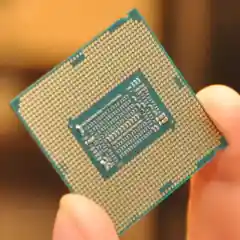
Intel last night made public two more data leakage disclosures, which tie back to Zombieload and November's TAA issue. . Here are the new disclosures: CVEID: CVE-2020-0548 Description: Cleanup errors in some Intel(R) Processors may allow an authenticated user to potentially enable information disclosure via local access. CVSS Base Score: 2.8 Low CVE-2020-0549 Description: Cleanup errors in some data cache evictions for some Intel(R) Processors may allow an authenticated user to potentially enable information disclosure via local access. CVSS Base Score: 6.5 Medium The link for this article located at Phoronix is no longer available. . Intel reveals two fresh security concerns tied to CPU termination flaws and access loopholes.. Data Leakage, Intel Processors, Information Disclosure. . Brittany Day
Jan 28, 2020
•
Security Vulnerabilities
81
 online privacydata leakageplugin security
Research Uncovers Browser Extensions Leaking User Data Risk
Do you used Firefox or Chrome as your web browser? Are you aware that browser plug-ins can be a threat to your privacy? . Eight catastrophically leaky browser extensions were discovered by researcher Sam Jadali , working withWashington Post columnist Geoffrey A. Fowler. Together, they traced the privacy train wreck, dubbed DataSpii, to browser extensions (also known as add-ons or plug-ins) that run around doing things like making browsing better by finding coupons or remembering passwords or whatever. The link for this article located at NakedSecurity is no longer available. . Analyst Lisa Vorchik discovered ten critically vulnerable mobile applications, highlighting major security concerns.. Browser Extensions, Data Leakage, Privacy Threats, Plugin Security. . LinuxSecurity.com Team
Jul 26, 2019
•
Privacy
74
 security advisorysystem shutdowndata leakage
ICANN: TLD Application System Shut Down Due To Data Leak
ICANN has revealed that it took down its top-level domain application system yesterday after discovering a potentially serious data leakage vulnerability. . As El Reg reported earlier today, ICANN shut down its TLD Application System (TAS) The link for this article located at The Register UK is no longer available. . ICANN uncovers critical data exposure risk prompting immediate suspension of TLD Application System for protective actions.. Data Leakage, ICANN Security, TLD Application, System Shutdown. . Dave Wreski
Apr 13, 2012
•
Network Security

Get the latest News and Insights
Get the latest Linux and open source security news straight to your inbox.
Community Poll
Should Linux servers automatically install security updates?
Trending News
Search Topics
Powered By

Linux Security - Your source for Top Linux News, Advisories, HOWTOs and Feature Releases
QUICK LINKS
subscribe to newsletters!
Like staying secure? So do we.
Sign up for updates, tips, and alerts!