Overly broad permissions can turn one compromised account into a much larger security problem. Learn how to reduce unnecessary access, review privileges, and apply least privilege across modern Linux systems. Review Linux Privileges×


Stay Ahead With Linux Security Features

 identity management security tactics
 For years, we secured our Linux infrastructure by building walls: VPCs, security groups, and hardened SSH configurations. We treated the cloud like a virtual data center, assuming that if we kept the "bad guys" out of the network, our workloads were safe. . That model is no longer sufficient. Today, one of the most common paths from an initial compromise to a major cloud breach is the identity assigned to your Linux workload. When an attacker gains code execution on a Linux instance—through a...
 Jul 17, 2026
 security practices patch management
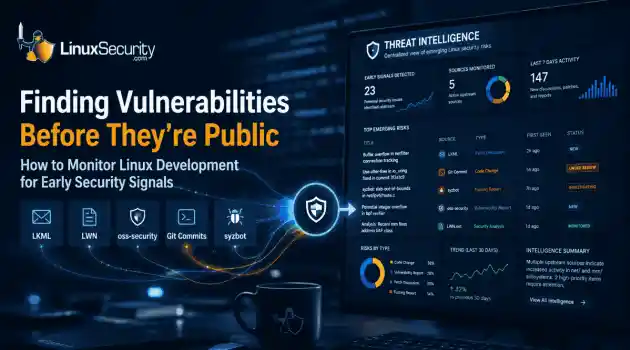
 Most of us don't hear about a kernel vulnerability until a CVE lands in our inbox or the vulnerability scanner starts complaining. By then, the patch isn't new anymore. Kernel developers may have been passing it around for review, arguing over the implementation, or revising it for days before anyone outside that community noticed it. None of those discussions are secret. They're sitting in mailing list archives, Git commits, and patch reviews where they've been the whole time. The strange...
Jul 14, 2026
 Linux security cyber attacks
 Every Linux server in your fleet produces thousands of events every minute. From journald logs and auditd records to kernel-level eBPF hooks, your systems are constantly talking. Most of that noise is just the mundane churn of system services, CI/CD runners, or routine administrative automation. But among that noise, an attacker might be establishing a foothold, moving laterally, or setting up persistence. The challenge for any security team is: how do you separate the routine from the...
Jul 13, 2026
 open-source infrastructure risk
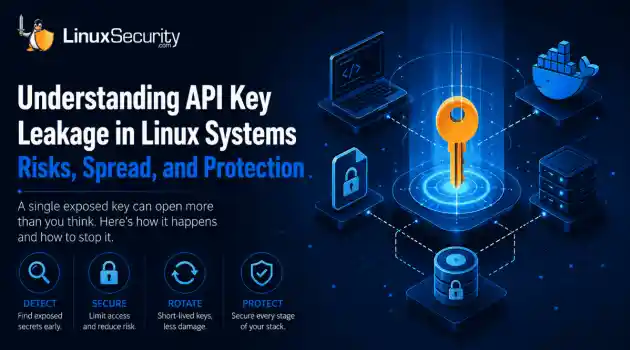
 Security scanners flag exposed API keys in public repositories every day. The initial response is usually predictable: delete the commit, revoke the credential, and move on. That’s a mistake. . In a real Linux environment, an API key never stays in one place. By the time it hits a public repo, it’s already everywhere. It’s in the CI/CD pipeline. It’s in your container registry. It’s in the build logs. It’s in the backups. Git makes this worse because the history never dies. Deleting a file in...
Jul 11, 2026
 open-source rootkit
 Most of us think of Linux rootkits as ancient history—the stuff of 90s hacking forums and clunky malware that would crash your system if you looked at it the wrong way. But if you think they’ve gone away, you’re mistaken. They’ve just gotten smarter. . Modern attackers aren't using the noisy tools of the past. Today’s threats are surgical. Many of today’s most advanced Linux rootkits operate at the kernel level or abuse legitimate system features to blend in with normal traffic. They’re...
Jul 09, 2026
 Refine features
X Clear Filters
Get the latest News and Insights
Get the latest Linux and open source security news straight to your inbox.
Community Poll
Should Linux servers automatically install security updates?
Loading...
Explore Latest Linux Security features
We found -2 articles for you...
102
 security riskssecurity auditsvulnerability detection
Examining Open-Source AI Risks: Mitigation Strategies for Security Admins
Taking advantage of open-source AI's benefits while mitigating potential associated risks is an ongoing struggle and balancing act for security admins. While leaders such as Hugging Face CEO Clem Delangue highlight open-source AI's ethical transparency and sustainability , other experts, including Geoffrey Hinton , caution against its misuse by bad actors. Real-world vulnerabilities, including malicious packages in PyPI and npm repositories, highlight the necessity for robust security measures as open-source AI development continues to advance. . In this article, I'll examine the inherent risks of open-source AI, offering Linux and open-source security administrators actionable strategies to safeguard their systems. From thorough vetting processes for open-source libraries to regular audits identifying vulnerabilities, we'll explore comprehensive mitigation techniques to ensure your AI implementations remain safe and trustworthy. Let's begin by discussing the pros and cons of open-source AI. The Promise and Perils of Open Source AI Open-source AI holds significant promise due to its transparency and collaborative innovation, according to Clem Delangue, CEO of Hugging Face. Rahul Roy-Chowdhury of Grammarly praises Open Source for helping ensure ethical transparency while being a more sustainable long-term strategy. According to him, its transparency compels developers to prioritize responsible decision-making over performance. Similarly, Rahul Roy-Chowdhury commends open source for bringing light into a sometimes dark world of AI development while assuring safety and trustworthiness. An esteemed AI pioneer, Geoffrey Hinton, has expressed grave reservations about open-sourcing AI models. Hinton worries that bad actors could use open-source models for malicious purposes like creating bioweapons. Indeed, recent hacking cases on repositories like PyPI and npm demonstrate the dangers posed by open-source vulnerabilities being exploited maliciously. Security Threats in Open-SourceRepositories Open-source repositories such as PyPI and npm introduce an unprecedented security risk when used extensively for AI development. While they provide developers with invaluable code libraries, their openness makes them prime targets for attackers looking to introduce malicious packages, which may spread quickly, potentially causing widespread damage before being identified and removed by admins. These malicious packages, often appearing to be legitimate ones, are designed to carry out harmful activities, such as installing backdoors or exfiltrating sensitive information from systems globally. With millions of downloads daily, malicious PyPI and npm packages could cause irreparable harm and compromise system security. Mitigation Strategies for Developers & Security Administrators Given the inherent vulnerabilities associated with open-source AI implementations, security admins must employ robust strategies to minimize risks. Below are key approaches we recommend security administrators take when protecting open-source AI implementations. Thorough Vetting Processes for Libraries Implementing a rigorous vetting process for open-source libraries is key in mitigating risks. Before adding any library to their project, security admins should conduct thorough investigations of its source, maintainers, and community reputation. Opting for verified packages is typically safer, and cross-referencing libraries against multiple sources and tools with health metrics for packages assist in making more informed decisions. Developers should adhere to best practices when choosing libraries for their projects, such as using reliable sources. Examining dependency trees regularly to understand which packages are being called into projects can help detect any vulnerabilities associated with these dependencies, helping protect against potential security threats. Regular Security Audits Security audits are essential to maintaining the integrity of AI systems. Auditing involves reviewing andassessing systems systematically to detect vulnerabilities. Security admins should conduct regular codebase audits when new libraries are added to a codebase. This helps detect any unauthorized changes or malicious code if present. Collaborating with independent security firms to conduct comprehensive assessments provides a more objective review of your system's security posture and may bring fresh perspectives, potentially uncovering previously overlooked vulnerabilities. Monitoring codebase changes with periodic comprehensive security reviews helps keep systems robust against emerging risks. Use Tools to Detect Vulnerabilities Given the increasing sophistication of attacks, manual checks alone cannot keep up. Security admins should leverage advanced tools to detect vulnerabilities in open-source software, such as static and dynamic analysis tools that scan large amounts of code efficiently for security flaws that might otherwise go overlooked during regular review processes. Tools like OpenSCAP can help evaluate compliance with security policies and identify any misconfigurations, providing real-time feedback about the security status of codebases and enabling timely interventions if needed. Furthermore, tools like Dependabot and Snyk that specifically monitor dependencies for vulnerabilities can also be invaluable in maintaining a secure environment. Education and Training It is essential to equip development and security teams with the knowledge and skills to use open-source AI safely. Regular training sessions on secure coding practices , threat detection, and response will equip these teams to identify and mitigate risks effectively. Staying abreast of the latest AI security developments and creating an organizational culture of security awareness can significantly strengthen your overall security posture. Balance Innovation with Security The debate surrounding open-source AI is far from over. According to Mark Zuckerberg , open-sourcing AI models can democratize accessto their benefits while opening them up to greater public scrutiny and improvement. Unfortunately, however, this democratization exposes AI innovations to misuse by bad actors. Finding a balance between innovation requirements and stringent security measures remains a complex challenge for security administrators. Navigating this difficulty requires an approach that embraces the collaborative nature of Open Source while protecting against its risks. Admins and developers can ensure safe and sustainable AI development projects by employing comprehensive vetting processes, regular security audits, advanced vulnerability detection tools, and creating an atmosphere of security awareness among Linux and open-source security admins. Our Final Thoughts on Secure AI Development Practices Open-source AI offers both remarkable opportunities and distinct risks. As security admins, we are responsible for protecting AI projects against potential threats while simultaneously encouraging innovation. Gaining an in-depth knowledge of these risks, employing comprehensive mitigation strategies, and practicing continuous vigilance will play a pivotal role in maintaining open-source AI safely as its development continues to evolve. . Explore the risks of open-source AI and essential strategies for security admins to safeguard their systems effectively.. taking, advantage, open-source, ai', benefits, while, mitigating, potential, associated, risks. . Brittany Day
 Feb 18, 2025
•
Feb 18, 2025
•
102
 open-sourcetrustworthinesssecurity audits
Transforming AI Security with Open-Source LLMs for Linux Administrators
As Linux security admins, we understand the many advantages that open-source software brings . Open-sourcing Large Language Models (LLMs) used in AI development offer similar benefits, especially regarding security. Making their source code publicly available enables community audits that quickly discover vulnerabilities - essential in building trust with users while guaranteeing there are no backdoors or malicious code present. . Open-source LLMs offer additional benefits by quickly allowing for rapid integration of new security features and interoperability with existing secure systems, which is key for maintaining an effective security posture. Linux admins can easily customize or adapt these AI tools to their requirements for enhanced and tailored security environments. Incorporating open-source LLMs benefits AI security and aligns with Linux's fundamental principles that have enabled its reliability and safety over the years. In this article, I'll delve into how open-sourcing LLMs can enhance security, increase trustworthiness, and enable greater control and customization - all while adhering to the core values that have made open-source software so important in our lives. Transparency and Trust Transparency is one of the cornerstones of open-source software. When developers and security experts can review the source code of an LLM, trust is fostered, which may otherwise be hard to come by in proprietary systems. Furthermore, unlike closed-source models, where users must take their vendor's word as to its security or integrity of use for verification purposes alone, open-source models allow independent user verification. Transparency ensures no vulnerabilities, backdoors, or malicious code are buried within an AI model. For Linux security admins already experienced in auditing open-source software , this can add another level of assurance. AI systems integrated into environments will be as secure as their community can make them and provide similar levels of reliability aswell-maintained Linux distributions. Collaborative Security Audits An outstanding advantage of open-sourcing LLMs is their capacity for collaborative security audits. In a closed-source environment, security audits and vulnerability assessments typically consist of internal teams or third-party auditors hired by vendors. These audits may be thorough but lack the varied perspectives that a global community provides. Open-source environments enable individuals with sufficient knowledge to scrutinize code, identify potential issues, and suggest solutions. This global peer review process dramatically speeds up and broadens security assessments. Vulnerabilities can be discovered much quicker, decreasing malicious actors' window of opportunity for exploiting them - providing Linux security administrators an advantage in staying one step ahead of potential threats while keeping their systems protected and resilient. Rapid Identification and Fixes for Vulnerabilities Proprietary software often requires official patches and updates from a vendor, which may take time to implement when vulnerabilities are not considered urgent. In contrast, open-source communities tend to act quickly, rapidly responding to security issues reported within the community, with updates being disseminated quickly as patches. Open-source projects facilitate rapid response through their collaborative nature, where developers and security professionals from around the globe contribute their expertise. We Linux administrators are already familiar with this model for updating and patching open-source systems. By applying it to LLMs, we can protect our AI systems against emerging threats. Enhanced Security Features Open-source communities are hubs of innovation when it comes to security. By making LLMs Open Source, the development and integration of new security features can be greatly accelerated. Improvements that one organization might not have prioritized quickly become the responsibility of an entire community. Increased encryption methods , enhanced access controls , and better auditing capabilities are among the many security features developed and integrated by contributors to Linux security admins' benefit without waiting for proprietary solutions to catch up. Through open-source community contributions, they ensure their AI systems offer security protection and incorporate cutting-edge technology. Educational Value Open-sourcing LLMs offer significant educational value. Security professionals, students, and enthusiasts can all take advantage of real-world examples of AI code to study its structure, strengths, and weaknesses, providing hands-on experience that deepens their understanding of AI and security principles. This education will lead to a more knowledgeable and skilled workforce. Engaging with these LLMs enables us admins to continuously develop our expertise, stay abreast of emerging technologies, and apply these learnings to strengthen our organization's security posture. Interoperability with Secure Systems One of the key challenges associated with incorporating AI into existing IT infrastructures is ensuring its compatibility and interoperability with secure systems. Open-source software tends to be flexible enough to work across systems and standards. This makes it much simpler for LLMs to integrate securely into different environments. Linux security admins benefit from open-source LLMs being easily integrated into existing security frameworks. Open-source models provide the adaptability needed to ensure compatibility with encryption standards, SIEM systems , and compliance requirements - helping create an organized and safe IT environment. Better Control and Customization Open-source software enables organizations to gain unprecedented control and customization, and LLMs are no different. While proprietary AI models often come equipped with predetermined features and capabilities that limit an organization's ability to adapt to its unique securityrequirements, open-source LLMs can be customized according to individual and organizational needs. Linux security admins, for instance, can manipulate model algorithms or adjust security parameters as necessary, even adding custom modules for enhanced functionality. This ensures that AI systems align perfectly with an organization's policies and objectives and enables more customized AI apps tailored to individual industries' requirements. Aligning with Open-Source Principles Collaboration, transparency, and innovation--principles central to Linux's rise--are equally applicable in AI. By open-sourcing LLMs, AI practitioners can adopt these ideals more readily, leading to safer, reliable systems with advanced features. As Linux security admins, this approach feels familiar and aligns well with our values. Open-source LLMs support community-driven progress and a shared responsibility approach to open-source technologies, similar to Linux. Just as this collaboration led to the creation of an extremely secure operating system in Linux , AI communities can achieve similar goals through their collective efforts - providing security administrators with confidence in the systems they deploy. The Future of AI Security in an Open-Source World As AI becomes increasingly ingrained into our digital infrastructures, its impact on security cannot be overstated. Open-sourcing LLMs offer a straightforward means of improving this safety while encouraging innovation and trust. Adopting open-source AI models as part of their work with open-source operating systems and software is a natural extension of their philosophies. The deployment of open-source LLMs offers numerous benefits, including transparent and trustworthy code, rapid and collaborative security audits, quick vulnerability patches, and ongoing feature enhancements. Some of its many advantages are educational opportunities galore, seamless interoperability, and unmatched control and customization. At a time when AI could significantly changevarious aspects of our lives and industries, its security must be ensured. With Linux security administrators' help harnessing the open-source community's influence to build AI systems that advance innovative techniques and are robust and secure, secure AI development is attainable. Open-source software has already revolutionized IT; let's extend its impactful principles to AI as well! . Open-source LLMs enhance AI security with transparency, rapid updates, and community-driven collaboration.. linux, security, admins, understand, advantages, open-source, software, brings, open-s. . Brittany Day
Feb 17, 2025
•

102
 security auditssecurity challengesbug bounty
Open Source Security: Addressing Challenges and Embracing Benefits
Open-source software (OSS) adoption has increased dramatically over recent years due to its flexibility and cost-cutting benefits, but whether or not OSS is completely safe is often controversial. Due to its open and collaborative nature, this type of software presents unique advantages and security challenges. . In this article, we will explore both sides of OSS security: its notable advantages and potential drawbacks. We will examine real-life examples of security problems faced by OSS projects and proactive measures being implemented to enhance their protection. By considering both sides, our objective is to give developers and Linux administrators a more holistic understanding of the risks and rewards associated with Open Source. Let's begin by examining some advantages and challenges of adopting OSS. Overview & History of Open-Source Security Open source software (OSS) has long been an essential element of the digital ecosystem, providing transparency and collaborative development to enhance software quality and security. Open Source has its roots in computing history since 1985 when Richard Stallman established the Free Software Foundation and the subsequent creation of the GNU General Public License . Transparency of source code permits thorough security audits by the global community, speeding up the identification and resolution of vulnerabilities faster than closed-source models. Community involvement has increased the adoption of open-source software (OSS) solutions within enterprise environments. Security has always been at the core of open-source software adoption. By permitting anyone to inspect, modify, and improve source code directly, open-source projects utilize global developer communities as an invaluable resource to quickly detect bugs and vulnerabilities in their source code. Open auditing increases trustworthiness and effectiveness in security measures employed by widely used software such as OpenSSL, Linux, and Apache HTTP Server. Open Source also facilitatesfaster responses to security threats, as evidenced by prompt patches and updates in response to exploits. This proactive approach starkly contrasts with proprietary software, where vulnerabilities often remain concealed for far longer. Furthermore, Open Source provides an effective defense strategy against security risks by harnessing its user base's collective knowledge to build robust and resilient systems. Pros of Open-Source Software (OSS) Open Source Software (OSS) offers numerous advantages, making it a popular choice among developers and users. By adhering to principles like transparency, community participation, and adaptability, OSS creates an environment where software can become more secure, resilient, and tailored precisely to its diverse user base. Pro: Anyone May Access and Implement This Code One of the key advantages of open source software (OSS) is its readily accessible source code. However, this opens it up for anyone to inspect. While this allows potential hackers to examine it for vulnerabilities quickly, this transparency enables engineers and developers worldwide to identify and address them swiftly. Hackers often discover vulnerabilities before company engineers do. Conversely, many eyes on open-source software often expedite the detection of security flaws faster. Community-driven monitoring ensures that vulnerabilities are patched quickly. Companies like Mozilla have taken full advantage of this by opening up their source code to community scrutiny. Linus's Law states, "Given enough eyeballs, all bugs are shallow." This phenomenon illustrates one key security advantage of open-source software (OSS). It indicates how openness and transparency allow a large community of developers and users to quickly analyze code, identify vulnerabilities, and provide patches more rapidly than proprietary systems. This collective review process further enhances the security posture of OSS, as bugs are usually caught and fixed faster than bugs in proprietary code. This phenomenonprotects widely used projects like Linux, Apache, and OpenSSL from exploits. Closed-source software takes a "security by obscurity" approach that relies on concealing its source code from public view in the belief that keeping it hidden reduces vulnerabilities from being discovered by malicious actors; however, this method relies heavily on internal teams identifying and patching issues, leaving software exposed and vulnerable. While security by obscurity provides some level of defense through concealment, critics have frequently noted it gives a false sense of security without the community validation that is vital to open source projects' resilience. Pro: Community Participation and Collaboration Open-source software thrives within a collaborative ecosystem where users can provide feedback on fixes, improvements, and new features - an aspect of software development unparalleled in proprietary systems. Mozilla Firefox, an open-source web browser, derives excellent value from its community. Users are encouraged to report bugs, suggest added features, or contribute code directly. Such collaboration helps develop more secure software as users are incentivized to keep it as safe and functional as possible. Pro: Transparency Protects from Malicious Code Hidden Within Frameworks Another significant advantage of open source software (OSS) is that it prevents malicious code from being hidden within software applications. Since all code is readily available for inspection, harmful elements will likely not go undetected and cause harm. With proprietary software, companies have been caught misusing user data. For instance, even when Incognito mode was active, Google was recently exposed for collecting Chrome browsing data. Such practices are difficult to hide when dealing with open-source software, making it more trustworthy. Furthermore, its transparency ensures users understand exactly what their software does, while experts can audit its code for any potentially illicit activities. Pro: Forkingis Used to Rescue Abandoned Projects Software abandonment is a perennial problem. Developers may stop updating and maintaining their programs due to various circumstances. With Open source, "forking" comes to the rescue: taking an existing project and altering it in some way to form new opportunities. LibreOffice was forked from OpenOffice and continues to thrive today. Forking ensures that even if its original developers leave behind an abandoned project, its community can maintain and improve it while addressing security vulnerabilities. Pro: Independent of Any One Company OSS does not depend on a single entity. In contrast, proprietary software relies on an organization, and users who stop receiving support may find themselves without options. With Open Source, even if its original creators abandon their project, the community can take over and continue developing it. LineageOS is an operating system that extends the lifespan of Android devices by offering security updates even after their manufacturer has discontinued support, thus assuring users continue receiving security patches and updates. Cons of Open-Source Software Open Source Software (OSS) offers many advantages, yet it can also have drawbacks that threaten its sustainability and security. Limited resources and community support may hinder OSS' consistency and reliability compared to its proprietary alternatives. Con: Limited Resources While open-source communities are vibrant and vital, many operate with limited resources. Many developers and maintainers work for free out of passion rather than profit. Research indicates that 60% of OSS creators and maintainers are unpaid, and many considered quitting due to financial pressures. Limited funding can negatively impact security updates without adequate resources to maintain and secure open-source software in parallel with proprietary products from well-funded corporations. Con: Risk of Abandonment Though forking provides an escape hatch, project abandonmentremains a real danger. Not all open-source projects can attract enough of a community capable of revitalizing or maintaining them. Smaller projects, particularly, may become obsolete if their original developers lose interest or time supporting them. Abandonment can leave security vulnerabilities unpatched, creating a considerable threat for users who rely on these smaller open-source projects. Con: Dependence on Community for Security OSS security relies heavily on community engagement. While larger communities can help identify and address security issues more quickly, smaller projects or those with lesser appeal might not receive as much consideration, leaving potential vulnerabilities unchecked and the software vulnerable to possible attacks. Examples of Security Concerns in Open-Source Software Although open-source security offers many advantages, it still has vulnerabilities that should be managed carefully. Perhaps most infamously, the Heartbleed bug in the OpenSSL cryptographic library affected millions of systems worldwide for two years before its discovery. Shellshock , a series of security bugs in the Unix Bash shell, also revealed the risks associated with open-source software. Both incidents highlighted how vulnerabilities exist despite the software's open nature. The Critical Role of Responsible Management in Open-Source Security The secure management of open-source projects is crucial for Linux admins and developers. Proactive strategies help reduce risks associated with known vulnerabilities or exploits in OSS. One essential practice is regularly reviewing and applying security patches and updates . Open-source projects benefit from global community vigilance, and updates for vulnerabilities typically become available quickly. Still, timely implementation of patches is vital to ensure systems don't become vulnerable to attacks leading to compromise. Automated tools such as Ansible or Puppet can make this process faster and provide consistent and efficientdeployment of security updates across multiple systems. Regular security audits and vulnerability assessments using tools like OpenVAS or Nessus are also vital to keeping systems secure. They can assist in rapidly detecting vulnerabilities that exist within your systems. Another crucial best practice involves employing role-based access control (RBAC) and adhering to the least privilege (PoLP) principle to limit access to critical components and data. Proper configuration management and inventorying of all open-source components within your environment is key to providing oversight and quickly responding to emerging security threats. You can increase open-source infrastructures' security posture and resilience by embedding these practices into daily operations. Measures & Initiatives Being Taken to Increase Open-Source Software Security Several measures have now often been implemented to strengthen open-source software security. One such measure is regular security audits experts conduct to detect and mitigate vulnerabilities before hackers can exploit them. Furthermore, bug bounty programs incentivize community members to find security issues by offering financial rewards. Popular projects such as Mozilla Firefox and Linux have utilized bug bounty programs effectively to address numerous security problems. Integrated code review processes are another effective strategy. They employ multiple experts to examine each contribution before it is merged, ensuring higher code quality and security. Automated testing frameworks further boost this effort, running thorough security checks on every code change to detect potential vulnerabilities early. Continuous Integration/Continuous Deployment (CI/CD) pipelines also strengthen open-source software security by continually testing and deploying code without the risk of introducing new vulnerabilities into development pipelines. Ongoing education and security training for developers and the community also play an integral role in strengthening thesecurity of open-source software. Many open-source communities offer regular training sessions, webinars, and workshops on secure coding practices to keep users up-to-date. By educating our users on best security practices, we can strengthen the overall security posture of open-source software. Financial support is also crucial to protecting open-source software projects. Initiatives by the Open Source Security Foundation (OpenSSF) offer resources that help maintain and improve open-source security projects. Corporate sponsorships and grants allow developers to devote more resources to improving software security. Our Final Thoughts on the Benefits & Drawbacks of Open-Source Software Open-source software presents both unique advantages and challenges when it comes to security. The openness and transparency of open-source projects play a crucial role in their protection by swiftly identifying vulnerabilities. Unfortunately, other issues, such as limited resources, risk of abandonment, and community support, cannot be ignored when considering security. Although OSS security incidents remain a significant threat, ongoing efforts such as regular code audits, bug bounty programs, automated testing, educational initiatives, and better funding are considerably improving. Furthermore, its collaborative nature continues to transform the landscape, making OSS an attractive and increasingly secure choice for developers and end-users. When managed and supported correctly, open-source software can provide a safe and dependable option, embodying its collaborative spirit at its core. In your opinion, do the security benefits of OSS outweigh the risks? Connect with us @lnxsec and share your thoughts! . Open Source Software security offers transparency and community support but poses challenges like inconsistent quality and compliance risks. Proactive measures boost safety.. Open Source Security, Community Engagement, Bug Bounty Programs, Security Audits, Proactive Measures. . Brittany Day
Dec 04, 2024
•

Get the latest News and Insights
Get the latest Linux and open source security news straight to your inbox.
Community Poll
Should Linux servers automatically install security updates?
Search Topics
Powered By

Linux Security - Your source for Top Linux News, Advisories, HOWTOs and Feature Releases
QUICK LINKS
subscribe to newsletters!
Like staying secure? So do we.
Sign up for updates, tips, and alerts!