Explore top 10 tips to secure your open-source projects now. Read More
×


Stay Ahead With Linux Security Features
 identity management security tactics
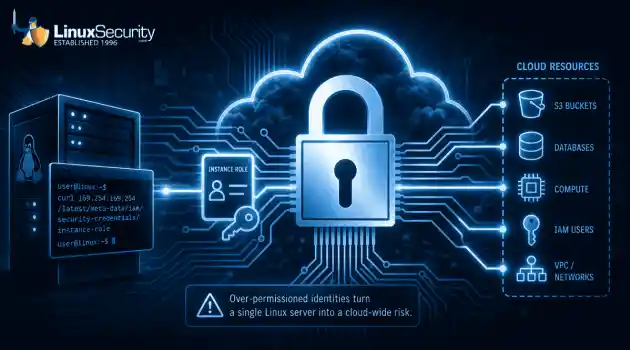
 For years, we secured our Linux infrastructure by building walls: VPCs, security groups, and hardened SSH configurations. We treated the cloud like a virtual data center, assuming that if we kept the "bad guys" out of the network, our workloads were safe. . That model is no longer sufficient. Today, one of the most common paths from an initial compromise to a major cloud breach is the identity assigned to your Linux workload. When an attacker gains code execution on a Linux instance—through a...
 Jul 17, 2026
 security practices patch management
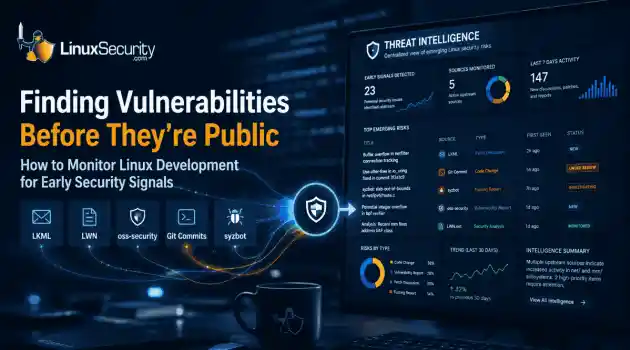
 Most of us don't hear about a kernel vulnerability until a CVE lands in our inbox or the vulnerability scanner starts complaining. By then, the patch isn't new anymore. Kernel developers may have been passing it around for review, arguing over the implementation, or revising it for days before anyone outside that community noticed it. None of those discussions are secret. They're sitting in mailing list archives, Git commits, and patch reviews where they've been the whole time. The strange...
Jul 14, 2026
 Linux security cyber attacks
 Every Linux server in your fleet produces thousands of events every minute. From journald logs and auditd records to kernel-level eBPF hooks, your systems are constantly talking. Most of that noise is just the mundane churn of system services, CI/CD runners, or routine administrative automation. But among that noise, an attacker might be establishing a foothold, moving laterally, or setting up persistence. The challenge for any security team is: how do you separate the routine from the...
Jul 13, 2026
 open-source infrastructure risk
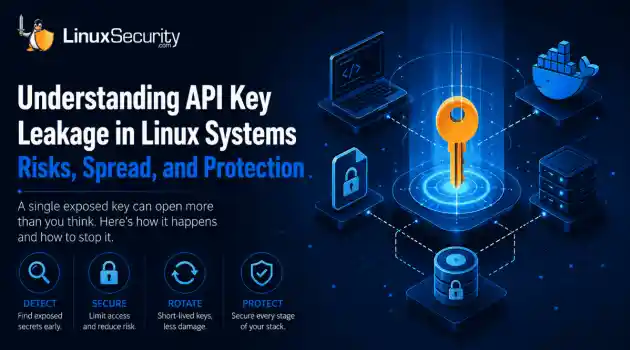
 Security scanners flag exposed API keys in public repositories every day. The initial response is usually predictable: delete the commit, revoke the credential, and move on. That’s a mistake. . In a real Linux environment, an API key never stays in one place. By the time it hits a public repo, it’s already everywhere. It’s in the CI/CD pipeline. It’s in your container registry. It’s in the build logs. It’s in the backups. Git makes this worse because the history never dies. Deleting a file in...
Jul 11, 2026
 open-source rootkit
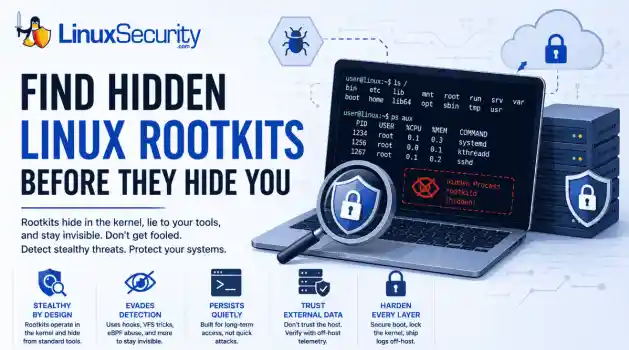
 Most of us think of Linux rootkits as ancient history—the stuff of 90s hacking forums and clunky malware that would crash your system if you looked at it the wrong way. But if you think they’ve gone away, you’re mistaken. They’ve just gotten smarter. . Modern attackers aren't using the noisy tools of the past. Today’s threats are surgical. Many of today’s most advanced Linux rootkits operate at the kernel level or abuse legitimate system features to blend in with normal traffic. They’re...
Jul 09, 2026
 Refine features
X Clear Filters
Get the latest News and Insights
Get the latest Linux and open source security news straight to your inbox.
Community Poll
Is continuous patching actually viable?
Loading...
Explore Latest Linux Security features
We found 18 articles for you...
102
 security practicespatch managementvulnerability assessment
How Linux Security Teams Spot Vulnerabilities Before CVEs Are Published
Most of us don't hear about a kernel vulnerability until a CVE lands in our inbox or the vulnerability scanner starts complaining. By then, the patch isn't new anymore. Kernel developers may have been passing it around for review, arguing over the implementation, or revising it for days before anyone outside that community noticed it. None of those discussions are secret. They're sitting in mailing list archives, Git commits, and patch reviews where they've been the whole time. The strange part isn't that the information is hard to find. It's that most of us never think to look there. . The Linux Vulnerability Lifecycle To understand how to spot vulnerabilities early, it helps to visualize the typical path from discovery to disclosure: Where Early Security Signals Actually Appear Security fixes rarely appear in just one place. A patch might start as a mailing list discussion, move through several revisions, show up in the stable tree, and only later receive a CVE. Following that entire path isn't realistic for most teams, but knowing where those conversations happen makes it much easier to understand why some fixes deserve closer attention than others. LKML is where most of that story begins. It's also noisy. Hundreds of patches move across the mailing list every day, so the interesting part usually isn't the existence of a patch. It's the discussion around it. Long review threads, repeated revisions, or several maintainers debating the same change are often more revealing than the patch itself. oss-security feels different. Instead of watching development unfold, you're watching researchers, vendors, and Linux distributions compare notes as a disclosure moves toward becoming public. If something significant is about to land in multiple distributions, there's a good chance the discussion shows up there first. Most people aren't going to spend their mornings reading LKML archives, and that's where LWN.net becomes useful. Rather than reproducing every discussion, itexplains why a particular thread mattered and what changed before the patch reached users. When a fix is merged, kernel.org becomes the reference point. Stable releases and Git history make it possible to follow how quickly a change moved from development into supported kernels. Then there's syzbot . It never gets tired, never stops fuzzing, and produces far more crash reports than anyone could read. Most don't turn into vulnerabilities. The interesting part is when the same area of the kernel keeps showing up. That's usually a sign that developers haven't reached the end of the story yet. Reading Between the Lines of a Kernel Patch Most kernel commit titles aren't especially descriptive. A subject line like "net: validate skb length before parsing" could be anything from routine maintenance to the first step in fixing a serious security problem. The title rarely provides enough information on its own. The commit footer is often more revealing than the first line. net: validate skb length before parsing Fixes: a34be7... Cc: Reported-by: syzbot A Fixes: tag points back to the commit that introduced the bug. Cc: stable tells stable kernel maintainers that the patch should be considered for backporting to supported releases. Reported-by: syzbot means the issue was uncovered during automated fuzz testing. None of those details say "security vulnerability," and many commits with those tags never receive a CVE. Even so, seeing them together is usually enough to slow down and read the patch more carefully. The commit title might be ordinary, but the surrounding metadata often isn't. Common Security Clues Hidden in Commit Metadata Some clues appear over and over again in kernel development, although none of them should be treated as proof that a security issue exists. Take syzbot reports. Most never become serious vulnerabilities, but recurring reports against the same subsystem can indicate that developers are chasing a difficult bug. The report itselfisn't the story. The pattern is. KASAN and UBSAN findings deserve similar attention. Developers use these sanitizers to expose memory corruption and undefined behavior, so seeing them referenced in commit messages usually means someone found a genuine defect rather than a cosmetic bug. It's also worth paying attention to how maintainers react. A patch that attracts multiple revisions, lengthy review threads, or several subsystem maintainers often involves code that's difficult to change safely. The same goes for fixes that are rapidly backported to stable kernels or unexpectedly reverted after merging. Neither guarantees a vulnerability, but both suggest there's more happening beneath the surface than the commit title alone reveals. Building a Layered Intelligence Workflow Mature security teams treat upstream intelligence as a tiered model. Most organizations stop at the first two layers; high-maturity teams integrate the rest to gain an edge. Vendor Advisories: Your baseline for compliance. NVD/CVEs: The historical record for tracking exposure. Openwall (oss-security): The best source for identifying when a public disclosure is imminent. LWN.net: The bridge between raw discussions and finished advisories. Kernel Mailing List (LKML): The raw stream for monitoring specific subsystems. Git Commits: The authoritative record of what actually changed. By framing your process this way, you realize that upstream monitoring isn't about replacing traditional vulnerability management; it’s about contextualizing it. You aren't reading the mailing list to panic; you're reading it to know which servers to prioritize the moment the stable kernel release lands. Improving Patch Prioritization Through Context When you understand the upstream flow, your patch management changes. Instead of treating every kernel change as a generic update, you can assess the risk yourself: Assess the Subsystem: Is the affected code even used in your environment? Evaluate the Bug Class: Does the fix address memory corruption (high risk) or a rare race condition (lower risk)? Review Discussion: Extensive review cycles, multiple revisions, or involvement from several maintainers can indicate that a change affects complex or security-sensitive code paths. Check the "Stable" Signal: If a patch is being pushed to all stable branches, consider increasing its priority for testing and deployment. Conclusion It's easy to see a CVE as the starting point because that's when most security teams first encounter it. In reality, it's usually the point where everyone else has caught up. The debugging, code review, disagreements, testing, and patch revisions have often already happened in public, leaving behind a trail that anyone can follow. That doesn't mean every administrator needs to spend the day reading LKML threads or reviewing kernel commits. Most organizations won't, and they don't need to. But understanding where those discussions happen and knowing what they're telling you changes the way you look at a security update. A kernel patch stops being just another package to install and becomes the final result of a much longer investigation. The Linux development process has always favored openness. For security teams willing to look upstream, that transparency offers something no CVE score can provide: the opportunity to understand how a vulnerability evolved before it became another entry in a database. Organizations looking to strengthen this process should also review best practices around Linux security patches , Linux kernel security , and staying current with Linux security news . . Discover how Linux security teams identify vulnerabilities before CVEs are published, enhancing patch management and awareness.. Linux Kernel Vulnerability Management, Early Security Signals, Patch Management Practices. . Dave Wreski
 Jul 14, 2026
•
Jul 14, 2026
•
102
 unauthorized accesssecurity practicesLinux administration
How to Detect Unauthorized SSH Key Usage on Linux Systems
SSH persistence usually does not look malicious at first. The login succeeds normally, the session opens cleanly, and the account already exists on the server, which is exactly why attackers continue using SSH keys after gaining a foothold on Linux systems. . Once a public key is added to authorized_keys , the server treats future access as trusted authentication. Attackers no longer need password resets or repeated exploit chains every time they reconnect because the server now accepts the malicious key as trusted access. The result is direct shell access tied to an account that already has permission to be there. Most environments already have constant SSH traffic moving between administrators, automation systems, backup infrastructure, deployment pipelines, and cloud workloads. A malicious session does not stand out immediately when the same protocol is already handling legitimate operational access all day. This guide walks through how to identify unauthorized SSH keys, review login activity, investigate suspicious access, and figure out whether persistence already spread beyond the original account. Step 1: Review the authorized_keys File Most SSH persistence starts with a modified authorized_keys file. Attackers land on a system, gain shell access, then add their own public key so they can reconnect later without needing the original credentials again. Start by checking the current user’s SSH keys: cat ~/.ssh/authorized_keys Then check the root account directly: sudo cat /root/.ssh/authorized_keys Do not skim through the output. Read every line carefully. Older Linux systems tend to accumulate abandoned access over time. Older Linux systems tend to accumulate abandoned access over time, especially contractor accounts, old deployment users, and CI/CD credentials that nobody rotated after a migration. Shared administrative accounts, where ownership stopped being clear years ago. You are looking for keys nobody can confidently explain. Pay attentionto: unfamiliar usernames or email addresses duplicate keys across multiple accounts recently added entries unusually long comments accounts that should no longer have shell access keys tied to former employees Administrative accounts matter most here. A malicious key attached to an account with sudo rules or root access gives attackers long-term persistence that can survive patches, password resets, and partial remediation. Step 2: Check When SSH Files Were Modified Attackers rarely stop after adding a single key. Once persistence works, they often modify additional SSH files to make sure access survives cleanup later. Start by reviewing the .ssh directory itself: ls -la ~/.ssh Then check detailed timestamps for the key file: stat ~/.ssh/authorized_keys Review the SSH daemon configuration too: sudo stat /etc/ssh/sshd_config Unexpected modification times usually narrow the investigation quickly, especially on production systems where SSH configurations do not change often. This is where compromised environments start telling on themselves. Multiple SSH files modified within the same time window. Configuration changes nobody documented. Root account activity outside maintenance hours. Individually, those changes may not look serious, but the picture changes quickly once the same activity starts appearing across multiple SSH files and administrative accounts. Step 3: Search the Entire System for Additional SSH Keys One compromised account is rarely the whole problem. Once attackers get shell access, they usually spread persistence across secondary users, forgotten service accounts, deployment profiles, or backup infrastructure that nobody actively reviews anymore. Losing one account should not remove their access completely. That is the goal. Start by locating every authorized_keys file on the system: sudo find / -name authorized_keys 2> /dev/null Then search for recently modified SSH key files: sudo find /home -nameauthorized_keys -mtime -7 That command identifies files modified within the last seven days, although the timeframe should change depending on the investigation and the suspected compromise window. Look for patterns across the results. Multiple accounts modified together usually indicate that the attacker was trying to establish layered persistence instead of relying on a single foothold. Service accounts with interactive SSH keys also warrant attention, as they are rarely monitored as closely as standard administrative users. Old admin profiles nobody has accessed legitimately for months matter too. Service accounts get abused constantly in these investigations because they often retain broad access while receiving very little day-to-day monitoring. Step 4: Review SSH Login Activity A successful SSH login does not mean the activity is legitimate. Most attackers using SSH persistence authenticate normally because they are relying on trusted access mechanisms already accepted by the server. Start by reviewing authentication logs because this is usually where suspicious SSH access starts becoming visible. On Ubuntu and Debian systems: sudo grep "sshd" /var/log/auth.log On RHEL, CentOS, Rocky Linux, and similar distributions: sudo grep "sshd" /var/log/secure Then review the successful login history: last -a Start by reviewing authentication logs because suspicious SSH activity usually becomes visible there first, especially when attackers begin reusing trusted accounts across multiple systems. Administrative accounts authenticating from cloud providers that your team does not use. SSH sessions appear late at night against accounts that normally log in during business hours. One account touching multiple servers rapidly. Dormant users suddenly become active again after months of silence. Attackers depend on the fact that valid SSH logins rarely generate panic. The authentication succeeds, so the traffic initially looks routine. It usually is not. Step5: Check Shell History After Login Shell history often explains what happened after the attacker got access. Persistence rarely exists by itself. Once attackers establish a foothold, they usually start expanding privileges, modifying permissions, collecting credentials, or preparing fallback access in case the original account gets disabled later. Start with the current user: cat ~/.bash_history Then check privileged accounts: sudo cat /root/.bash_history Watch for commands involving: sudo useradd passwd curl wget chmod chattr ssh-copy-id modifications to .ssh tunneling or port forwarding Empty history files matter, especially on accounts that should normally contain daily administrative activity. Attackers regularly clear shell history after modifying SSH access or escalating privileges. Sometimes they disable logging entirely before moving deeper into the environment. Step 6: Review Active SSH Sessions Before digging further through logs, check whether someone is still connected. SSH persistence is not always historical activity. Sometimes the attacker never left the system. Start with active users: who Then review current sessions: w To identify active SSH connections: sudo ss -tp | grep ssh Or: sudo netstat -plant | grep ssh Pay attention to long-running sessions, unfamiliar IP addresses, or multiple simultaneous logins tied to the same account. Outbound SSH connections matter too. Compromised Linux servers often become pivot points once attackers start moving laterally across the environment. Attackers rarely stop after compromising a single Linux host, particularly when the environment already contains trusted SSH relationships between systems. Step 7: Review SSH Configuration Settings Attackers do not always stop at planting keys. Weakening SSH restrictions makes future access easier, especially if they expect defenders to remove the compromised account later. Open theSSH daemon configuration: sudo cat /etc/ssh/sshd_config Focus on settings tied to: PermitRootLogin PasswordAuthentication PubkeyAuthentication AllowUsers AllowGroups Example hardened settings: PermitRootLogin no PasswordAuthentication no PubkeyAuthentication yes Restart the SSH service after making changes: sudo systemctl restart sshd Or on Ubuntu systems: sudo systemctl restart ssh Configuration changes tell you a lot about attacker intent. Modified root access settings, relaxed authentication rules, and broad user permissions added during the compromise window usually reveal that the attacker was planning for long-term persistence rather than short-term access . Attackers think ahead here. Step 8: Remove Unauthorized SSH Keys Once you identify a malicious or unapproved key, remove it immediately from the affected authorized_keys file. Open the file: nano ~/.ssh/authorized_keys Delete the suspicious entry and save the changes. That does not mean the compromise is contained. Attackers who establish SSH persistence often modify multiple accounts before defenders notice the intrusion. Attackers that establish SSH persistence often spread access across service users, backup infrastructure, automation credentials, and occasionally root accounts before defenders notice the intrusion. After removing the key: Rotate passwords tied to the affected account Review sudo rules Audit nearby systems for the same key Investigate how the original foothold happened Check for additional persistence methods Skipping those steps usually leads to reinfection later. Step 9: Enable Ongoing SSH Monitoring Most organizations only investigate SSH access after an incident already exists. By then, persistence may have survived quietly for weeks or months. At minimum, enable: centralized SSH logging alerts for changes to authorized_keys monitoring for .ssh directorymodifications login alerts tied to privileged accounts MFA-backed administrative access where possible Reviewing SSH activity across systems also helps expose suspicious behavior that local logs may miss. Servers suddenly connecting to unfamiliar infrastructure or administrative accounts authenticating against systems they normally never access should immediately trigger review. Repeated SSH activity tied to cloud IP ranges nobody internally recognizes. That is usually where persistence starts becoming visible at scale. Common Mistakes During SSH Investigations One of the biggest mistakes teams make is treating the compromised account as the entire incident. Attackers rarely stop there once shell access exists. Old deployment users get reused constantly, while shared administrative accounts gradually lose attribution as teams change and environments expand. Backup infrastructure often has broad SSH trust relationships that nobody reviews closely because the systems are considered operationally sensitive. CI/CD credentials spread across environments and stay active long after projects end. Linux environments accumulate trust quietly over time. That is what makes SSH persistence effective in the first place. Teams also miss direct monitoring for changes to authorized_keys , which leaves attackers free to modify trusted authentication paths without generating the kinds of alerts normally associated with malware or exploit activity. Persistence tied to trusted authentication paths often survives the longest because the activity continues looking operational instead of obviously malicious. Final Thoughts Unauthorized SSH key usage remains difficult to detect because the access often looks legitimate long after the original compromise. The login succeeds normally, the account already exists, and many environments still trust SSH traffic by default as long as authentication passes cleanly. That is why attackers continue using SSH persistence after gaining a footholdon Linux systems. A single compromised account can quietly turn into broader access across backup infrastructure, deployment pipelines, cloud workloads, and administrative systems if nobody is actively reviewing SSH keys, login activity, or configuration changes. Regular audits help. So does monitoring for changes to authorized_keys , reviewing authentication logs, and validating who actually owns long-standing SSH access across the environment. Most persistence survives because teams assume trusted access is still legitimate months after it stopped being safe. Stay ahead of new Linux threats, persistence techniques, and security research by subscribing to the LinuxSecurity newsletters. You will receive Linux advisories, threat analysis, practical hardening guidance, and new detection coverage directly in your inbox. Related Reading Understanding Linux Persistence Mechanisms and Detection Tools Linux Attackers Use SSH Legitimate Tools to Evade Detection Mastering SSH for Secure Linux Remote Server Management Understanding Outlaw Linux Malware: Defend Against Botnet Threats Strengthening Linux SSH Configurations to Prevent Proxy Attacks . Unauthorized SSH key usage remains tricky to detect, as attackers exploit seemingly legitimate access. Stay vigilant!. SSH key validation, unauthorized access detection, security monitoring, Linux server management, SSH auditing. . Dave Wreski
Jun 26, 2026
•

102
 data securitysecurity practicesnetwork protection
Data Security Best Practices for Strengthening Linux Networks
When it comes to managing Linux systems, there’s one thing every admin knows: security is a constant battle. Sure, you've set up the basics—firewalls, permissions, maybe even automated updates—but is your data truly safe? Cyber threats aren't just about flashy headlines. They’re subtle, persistent, and driven by attackers exploiting overlooked vulnerabilities. . Take cloud security breaches , for example. They're on the rise, and businesses are losing millions—not just in money but in customer trust. And here's the catch: even the best tools won't save you from gaps in your approach. If you're running Linux systems in the cloud or managing sensitive data, it's not just a question of if someone will try to breach your defenses—it’s when. So, let’s talk about what you can actually do to lock down your systems without losing sleep over it. The reality is that Linux gives you a solid foundation , but there’s no magic button here—it’s up to you to make the system formidable. Are you proactively encrypting drives? Do you have multi-factor authentication in place? Have you patched that weird buffer overflow vulnerability lurking in last year’s software version? These are practical questions, but they boil down to one principle— cybersecurity best practices. From insider threats to malware spikes (Linux malware jumped 50% recently—50%), the risks keep evolving. The good news? There’s no shortage of tools and tactics you can deploy right now. Let’s walk through them and make your systems a fortress rather than just a gate someone’s plotting to bypass. What Is Data Security and Why Is It Essential? Data security focuses on maintaining computer security so that threat actors do not compromise sensitive information. With robust data security measures in place, unauthorized users cannot access confidential resources on which they can install malware . Companies with more sensitive data usually create a set of parameters to determine when to delete information beforecybercriminals can gain access. Data security services must understand where sensitive information is on a server. Many companies are vulnerable to a data breach with all the information stored in their systems. Many executives may not know where to find confidential information. As a result, cybercriminals, once they hack a system, have an advantage in combining all of the information and finding what is useful for their attacks on network security. What Common Data Security Risks Do Organizations Face? IT security teams must be aware of the latest data and network security threats that could cause system crashes, account takeovers, and general compromise. Here are the main issues to be vigilant about: Malware can quickly infiltrate a system , leading to data loss, corruption, and inaccessibility. Hackers exploit software and cybersecurity vulnerabilities that have yet to undergo security patching. Linux users can activate automatic updates to prevent these risks. Employees can pose insider threats , as they can initiate cloud security breaches that can compromise data. Linux systems have fire-permission levels that administrators can set so individuals and groups have limited access to sensitive data they can misuse. Email phishing attacks have grown increasingly realistic and convincing. Researchers blame AI tools like ChatGPT for helping hackers craft misleading content faster. Kali Linux is a valuable tool that simulates phishing attacks to improve security posture through training. Cybercriminals can instigate physical security attacks by stealing devices from unsuspecting strangers. Individuals may leave their phones and laptops on public transit, and cybercriminals can hack sensitive data from these platforms. Location Magic and Prey are compatible network security toolkits that Linux admins can use to track misplaced or stolen devices. What Types of Data Security Should I Implement? IT security teams must take comprehensive approaches todata protection, so they should familiarize themselves with these best practices for strong data security: File encryption scrambles the data, making it less valuable and inaccessible to unauthorized users. To keep disk information secure, Linux users can install Full Disk Encryption (FDE) or use file encryption tools like Tomb , eCryptfs , and Cryptmount . Organizations must retain visibility into relevant activities to keep cloud security frameworks robust. Linux provides monitoring tools that administrators can configure based on their needs. This customization, granularity, and permission options strengthen security. Businesses should stay up-to-date with security patching to handle web application security vulnerabilities that could permit hacking. Administrators must engage in comprehensive, frequent privacy sandboxing and testing, deploy data encryption methods, and oversee access controls and permissions. Admins and companies should use Multi-Factor Authentication on cloud security frameworks to decrease opportunities for unauthorized cybercriminals to reach and use the cloud for malicious purposes. Spread cloud metadata across several locations so hackers only get a portion of your data if they enter your server. Verify and review cloud provider security practices to ensure you are still content with their services and how they protect your server. What Techniques and Best Practices Help Strengthen Linux Data Security? Companies can improve their computer security posture and brand image simply by following a variety of well-known safeguards. Here are a few of the suggestions we recommend you consider: Set up regular data backups to minimize your risks of lost data. Categorize your data by importance and then protect what is most vital first to avoid downtime and cloud security breaches from impacting your data. Speak with an IT team and other cybersecurity professionals to determine where and how often you should back up data. ImplementTwo-Factor Authentication as an additional cloud security protection measure. This requires users to input both a password and an additional security code, such as a fingerprint or text message code. Hackers can only access data if they have both pieces of information, reducing the chances of compromised information. Security patching can keep hackers from exploiting network security issues and using them to enter your server. Automatic updating on Linux can minimize this data risk. Configure your Linux Operating Systems (OS) with ultimate security with the open-source technology that helps thousands of users combat network security threats. Disable external root access to prevent unauthorized access and data loss. Make sure that the root account is the only one with a 0 ID, as those with the same number could bypass security and cause severe damage to your server. What Data Security Toolkits Can I Use on Linux? Linux has various open-source cybersecurity tools companies can use to safeguard data on top of the best practices we mentio ned above. Here are a few helpful data security toolkits we recommend: SELinux is a security enhancement for Linux that increases administrative control over user privileges. Administrators can specify who can read, write, or execute a file while setting data movement rules. ClamAV is a virus-detection service that offers on-demand file scanning. It provides automatic signature updates and is compatible with numerous types of data. Rkhunter uses online databases with safe files to check your system for backdoors, rootkits, and local exploits. Tripwire is a Linux intrusion detection system that provides insight into what is happening on your network so you can act more proactively with that knowledge. Wireshark is a network protocol analyzer that scans data traffic and signals so you can spot anomalies more quickly. Our Final Thoughts on the Importance of Robust Linux Data Security Let’s face it: data securityboils down to vigilance and action. No patch, toolkit, or encryption method will save your system if you’re not actively working to stay ahead of threats. Being a Linux admin isn’t just about keeping the system running; it’s about knowing it inside and out. Are your backups reliable? Is multi-factor authentication actually implemented, or is it just on the to-do list? Did you comb through who really has root-level access, or are there unnecessary accounts lingering in your system? Little lapses create big vulnerabilities that attackers love to exploit. The fixes might not feel glamorous, but they’re what keep you out of harm’s way—the encrypted drives, patched software, and relentless monitoring all add up to a system that’s a fortress, not a ticking time bomb. At the end of the day, security is about staying proactive, not getting complacent. No one wants to get that call about a breach, but avoiding it takes constant effort on your part. Attackers don’t take days off, and the rise in threats like malware spikes and sophisticated phishing campaigns proves it. The good news? Linux gives you all the tools you need to fight back—it’s flexible, open, and built to be fortified. But it’s on you to use them effectively. So, take a step back, revisit your security posture, and tighten the screws where they’re loose. Focus on what matters: safeguarding your data and protecting the trust your users place in your system. You’ve got this—the tools are there; now’s the time to make use of them! . Emphasizing digital safety is a vital strategy to safeguard data and enhance your reputation.. Data Protection, Cybersecurity Tools, Securing Linux, Cloud Security Best Practices. . Brittany Day
May 30, 2025
•
102
 security practiceskernel securitysystem hardening
Essential Guide for Securing the Linux Kernel Environment Effectively
With the support of the open-source community and a strict privilege system embedded in its architecture, Linux has security built into its design. That being said, gone are the days when Linux system administrators could get away with subpar security practices. Cybercriminals have come to view Linux as a viable attack target due to its growing popularity, the valuable devices it powers worldwide, and an array of dangerous new Linux malware variants that have emerged in recent years. . It has become apparent that most attacks on Linux systems can be attributed to misconfigurations and poor administration - and failure to properly secure the Linux kernel is often at least partially to blame. Kernel security is a key determinant of overall system security, as the Linux kernel is the foundation of the Linux OS and the core interface between a computer’s hardware and its processes. Luckily, the Linux kernel possesses an assortment of effective built-in security defenses - namely, firewalls that use packet filters built into the kernel, Secure Boot, Linux Kernel Lockdown, and SELinux or AppArmor - that administrators should take full advantage of. In this article, we'll examine the importance of robust kernel security and explore various measures you can take to secure the Linux kernel and protect your systems from malware and other exploits. How Secure Is the Linux Kernel? Kernel security is an ongoing concern for Linux system administrators, and securing the kernel is one of the most complex aspects of securing a Linux system. Even though the Linux kernel undergoes constant scrutiny for security bugs by the “many eyes” of the vibrant, global open-source community, kernel vulnerabilities remain a persistent and serious threat. Flaws are inevitable in any OS, and many Linux kernel bugs present potential security issues, often resulting in privilege escalation or denial-of-service (DoS) attacks. Critical kernel vulnerabilities can often be exploited by remote attackers - withoutrequiring that the victim take any actions. Some of the most notorious Linux kernel security bugs discovered and fixed in recent years include: CVE-2017-18017: This critical vulnerability, which resides in the netfilter tcpmss_mangle_packet function, is highly dangerous due to its central role in filtering network communications by defining the maximum segment size that is allowed for accepting TCP headers. Without these controls, users are susceptible to overflow issues and DoS attacks. The flaw impacts kernel versions before 4.11. CVE-2016-10229: This udp.c bug, which also affects kernel versions before 4.5, allows a remote attacker to execute arbitrary code via UDP traffic, triggering an unsafe second checksum while executing a recv system call with the MSG_PEEK flag. CVE-2016-10150: This use-after-free vulnerability, which impacts kernel versions before 4.8.13, could be exploited by hackers to gain privileges and launch DoS attacks. CVE-2015-8812: This severe vulnerability, which was discovered in the Linux kernel drivers, impacts kernel versions prior to 4.5 and enables a remote attacker to execute arbitrary code or cause a DoS (use-after-free) attack via crafted packets. CVE-2014-2523: This serious netfilter vulnerability, which impacts kernel versions through 3.13.6, is attributed to the incorrect use of a DCCP header pointer. The flaw allows a remote attacker to cause a DoS (system crash) attack or to execute arbitrary code via a DCCP packet that triggers a call to either the dccp_new, dccp_packet, or dccp_error function. Tracking advisories is critical in protecting against kernel vulnerabilities and maintaining a secure, updated system. Subscribing to our weekly Linux Advisory Watch newsletter is an easy, convenient way to stay up-to-date on your Linux distribution's latest advisories and updates issues. What is Kernel Self-Protection, and Why Is It Important? Linux kernel-self protection , or the design and implementation of systems andstructures within the Linux kernel to protect against security flaws in the kernel itself, is an excellent way of adding another layer of security to the Linux kernel. It includes defense methods such as attack surface reduction, memory integrity, probabilistic defenses and the prevention of information exposure. Let’s examine some tips and best practices for securing the Linux kernel by implementing these defense methods to protect your users, your systems and your data. Practical Advice for Securing the Linux Kernel Securing the Linux kernel requires a proactive, multi-layered defense strategy. Practical measures you can take to secure the kernel against vulnerabilities and exploits leading to compromise include: Apply Kernel Security Patches The Linux kernel is patched frequently to mitigate the latest security vulnerabilities discovered and, albeit monotonous, staying on top of kernel security updates is imperative to maintaining a secure Linux system. The most straightforward method of updating the Linux kernel is tracking distribution security advisories and applying the latest updates available directly from your Linux distribution. There are three other methods for updating the kernel: on the command line, with kexec, or with a rebootless live kernel patching tool . Updating the kernel from the command line is the method that is most likely to be covered in your distribution’s documentation. However, a major disadvantage of patching the kernel on the command line is that you will need to suffer the downtime of a system reboot. Administrators can quicken rebooting process by using the kexec system call. However, this method is risky, as it can cause data loss and corruption. The third method - updating the kernel automatically using a rebootless live kernel patching tool such as Livepatch , Ksplice , Kpatch , Kgraft is generally administrators’ method of choice, but is not a replacement for full kernel upgrades, as it only applies patches for security vulnerabilities orcritical bug fixes. Enable Secure Boot in “Full” or “Thorough” Mode UEFI Secure Boot is a verification mechanism for ensuring that code launched by a device's UEFI firmware is trusted. The feature is designed to prevent malicious code from being loaded and executed before the OS has been loaded. By enabling UEFI Secure Boot in “f ull” or “thorough” mode, administrators can decrease the attack surface on x86-64 systems. UEFI Secure Boot requires cryptographically signed firmware and kernels. Thus, no unsigned drivers can be loaded for hardware on systems with UEFI Secure Boot enabled in “full” or “thorough” mode. This makes it far more difficult for an attacker to insert a malicious kernel module into a system and for unsigned rootkits to remain persistent after reboot. However, administrators should be aware that enabling Secure Boot comes with some potential drawbacks. For instance, it requires manual intervention any time a kernel or module is upgraded. Using Secure Boot also activates "lockdown" mode, which disables various features that can be used to modify the kernel. We will cover this in more depth in the following section. Use Linux Kernel Lockdown Linux Kernel Lockdown is a kernel configuration option developed to provide a policy to prevent the root account from modifying the kernel code by strengthening the divide between userland processes and kernel code. Thus, in the event that a root account is compromised, having Lockdown mode enabled will make it far more difficult for the compromised account to compromise the rest of the OS. Although Lockdown was not introduced until the release of kernel version 5.4, work on this feature began over a decade ago, and was spearheaded by Google engineer Matthew Garrett. Lockdown support can be activated to experience Linux Kernel Lockdown benefits with the lockdown= kernel parameter. The module has two modes: “integrity” mode and “confidentiality” mode. It is generally advised to use the “integrity”mode, and to only use the “confidentiality” mode for special systems that contain sensitive information that even root shouldn't be permitted to see, such as the EVM signing key which can be used to prevent offline file modification. Using confidentiality mode blocks access to all kernel memory, preventing administrators from being able to inspect and probe the kernel for purposes such as troubleshooting, development and testing and verifying security measures. Setting lockdown=integrity will block kernel features that allow user-space to modify the running kernel, while setting lockdown=confidentiality will block user-space from extracting sensitive information from the running kernel. Administrators have the option of permanently enforcing either the integrity or the confidentiality lockdown mode via SECURITY_LOCKDOWN_LSM_EARLY . All of these configurations are controlled through the Kconfig SECURITY_LOCKDOWN_LSM option for enabling the module and experiencing Linux Kernel Lockdown benefits. Administrators should be aware that using Lockdown prevents various features and modules that can be used to modify the kernel from loading. For instance, Lockdown disables: Loading kernel modules that are not signed by a trusted key, such as out-of-tree modules including DKMS-managed drivers. Using kexec to start an unsigned kernel image. Hibernation and resume from hibernation. User-space access to physical memory and I/O ports. Module parameters used to set memory and I/O port addresses. Writing to MSRs through /dev/cpu/*/msr. The use of custom ACPI methods and tables. ACPI APEI error injection. Enable Kernel Module Signing & Module Loading Rules The Linux kernel supports digital signatures on loadable kernel modules , ensuring that only known and valid modules can be loaded and decreasing a system’s attack surface with this requirement. Kernel module signing must be enabled in the kernel with settings in CONFIG_MODULE_SIG. Administrators can configure the kernelto require valid signatures, enable automatic module signing during the kernel build phase and specify which hash algorithm to use. Local or remote keys can also be used. In addition, limited module support can be enabled by default using the sysctl kernel.modules_disabled=1 command. Sysctl is a way for administrators to communicate directly with the kernel to control how it functions. These functions can also be configured in the /etc/sysctl.conf file. We explain how administrators can harden this file in the following section. Disabling modules completely can drastically reduce a system’s attack surface, but is only practical in special use cases. Harden the Sysctl.conf File The sysctl.conf file is the main kernel parameter configuration point for a Linux system. By using secure defaults, your whole system will benefit from a more secure foundation. With /etc/sysctl.conf you can configure various Linux network and system settings to improve security by: Limiting network-transmitted configuration for IPv4 Limiting network-transmitted configuration for IPv6 Turning on execshield protection Protecting against syn flood attacks Turning on source IP address verification Securing a server’s IP address against spoofing attacks Logging suspicious packets such as spoofed packets, source-routed packets and redirects Enable SELinux or AppArmor Modern Linux systems include the Mandatory Access Control (MAC) security enhancement systems AppArmor or SELinux (depending on the distribution) installed by default to protect against threats such as server misconfigurations, software vulnerabilities and zero-day exploits - which could potentially compromise an entire system without these controls in place. SELinux is installed and enabled by default on CentOS and RedHat Enterprise Linux OSes, while AppArmor is installed and enabled by default on Ubuntu and SuSE Linux Enterprise systems. These security enhancement systems allow for granular access control with securitypolicies, providing an additional layer of security throughout a system. SELinux defines access controls for the applications, processes, and files on a system, using security policies to enforce these access controls. When an application or process - known as a “subject” - makes a request to access an “object” such as a file, SELinux checks with an access vector cache (AVC), where permissions are cached for subjects and objects. If SELinux is unable to make a decision about access based on the cached permissions, the request is forwarded to the security server, which checks for the security context of the subject and object from the SELinux policy database. Permission is then either granted or denied. If permission is denied, an "avc: denied" message will be available in /var/log/messages. For typical use cases, we recommend that administrators set SELinux to permissive mode . By operating in permissive mode, policy is not enforced and the system remains operational. In other words, SELinux does not deny any operations, but only logs AVC messages, which administrators can then use for troubleshooting, debugging, and policy improvements. Like SELinux, Apparmor isolates applications and processes from each other with per-program profiles built into the kernel, as well as any profiles that an administrator has generated. AppArmor can be set to either enforce these profiles or to complain when profile rules are violated. AppArmor is less complex than SELinux, but in turn offers less control over how processes are isolated. It is unfortunately quite common for administrators to disable SELinux or AppArmor when they encounter an issue as opposed to learning how to fix the issue with these services enabled. This is a poor administration and security practice, and can detract significantly from a system’s overall security posture by leaving the system susceptible to the very attacks that SELinux or AppArmor are designed to prevent. Implement Strict Permissions When all kernelmemory is writable, it’s easy for attacks to redirect execution flow - making it imperative that kernel memory is protected with a tight set of permissions. Permissions should be as strict as is practical in a given environment. Administrators should begin by ensuring that executive code and read-only data is not writable. The CONFIG_STRICT_KERNEL_RWX and CONFIG_STRICT_MODULE_RWX configurations, which seek to make sure that code is not writable, data is not executable, and read-only data is neither writable nor executable, are the default options for the majority of Linux architectures. If these settings are user selectable, an administrator can select ARCH_OPTIONAL_KERNEL_RWX to enable a Kconfig prompt. CONFIG_ARCH_OPTIONAL_KERNEL_RWX_DEFAULT determines the default setting when ARCH_OPTIONAL_KERNEL_RWX is enabled. It is critical that function pointers and sensitive variables, which the kernel looks up and uses to continue execution, are read-only—not writable. Many such variables can be made read-only by setting them “const” so that they reside in the .rodata section instead of the .data section of the kernel. Permissions should always be configured to enforce the segregation of kernel memory from userspace memory. These rules can be enforced either via hardware-based restrictions or via emulation. Blocking userspace memory forces attacks to operate entirely in kernel memory. Use AuditD for Ongoing System Monitoring Carefully monitoring the Linux kernel enables administrators to discover security bugs, breaches or policy violations, allowing them to mitigate potential damage caused by these threats and verify the security of their systems. Using the Linux Auditing System (AuditD) is a popular and effective method of monitoring the events that occur on a system. AuditD is a native feature of the Linux kerne l, installed by default in most distributions and runs automatically, that collects information on system activity, such as file permissions modifications, services being enabled ordisabled, and network events, to facilitate the investigation of potential security incidents. It logs information according to its ules and any custom rules an administrator has added. The kernel is uniquely suited to perform these functions because only the kernel can access a system’s devices and memory. Here’s an example of the type of information the AuditD audit daemon provided. It shows users running specific commands like /usr/bin/sudo and ssh generating a new session key. type=USER_CMD msg=audit(1611763205.568:1621017): pid=1829220 uid=991 auid=4294967295 ses=4294967295 msg='cwd="/" cmd=2F7573722F6C6962363 exe="/usr/bin/sudo" terminal=? res=success'UID="nrpe" AUID="unset" type=CRYPTO_KEY_USER msg=audit(1611762843.231:1620894): pid=1825289 uid=0 auid=0 ses=49526 msg='op=destroy kind=server fp=SHA256:d7:c2:5a7 direction=? spid=1825289 suid=0 exe="/usr/sbin/sshd" hostname=? addr=? terminal=? res=success' UID="root" AUID="root" SUID="root" Here’s an example of “aureport” being used to generate a summary report of events on the system. [root@myhost ~]# aureport Summary Report ====================== Range of time in logs: 01/23/2021 04:54:03.379 - 01/27/2021 11:36:05.388 Selected time for report: 01/23/2021 04:54:03 - 01/27/2021 11:36:05.388 Number of changes in configuration: 67 Number of changes to accounts, groups, or roles: 0 Number of logins: 1457 Number of failed logins: 6249 Number of authentications: 1461 Number of failed authentications: 178 Number of users: 4 Number of terminals: 7 Number of host names: 661 Number of executables: 7 Number of commands: 1 Number of files: 0 Number of AVC's: 0 Number of MAC events: 65 Number of failed syscalls: 0 Number of anomaly events: 0 Number of responses to anomaly events: 0 Number of crypto events: 45395 Number of integrity events: 0 Number of virt events: 0 Number of keys: 0 Number of process IDs: 25064 Number of events: 136817 [root@myhost ~]# aureport -x --summary ExecutableSummary Report ================================= total file ================================= 71421 /usr/sbin/sshd 22796 /usr/sbin/crond 17905 /usr/lib/systemd/systemd 12344 /usr/bin/sudo 290 /usr/libexec/ipsec/pluto 26 /usr/bin/crontab 24 /usr/bin/su AuditD must be properly configured and hardened to ensure optimal security and effectiveness. Administrators should check that AuditD’s configuration is immutable using the control option “-e 2” and confirm that logs are stored in a centralized, secure location—ideally, a server dedicated to accepting remote syslog events. AuditD does have some weaknesses that should be considered - namely, bugginess, excessive overhead, lack of granularity, missing container support, and demanding output. Our Final Thoughts on Improving Linux Kernel Security Linux is becoming an increasingly attractive target among cybercriminals due to its growing popularity and the high-value devices it powers worldwide. Effective security is contingent upon defense in depth, and kernel security is a key element of overall system security that cannot be overlooked. After all, the kernel is the foundation of a system, and if the kernel is not secure, then nothing on the system is secure. Thus, Linux system administrators must prioritize kernel security and remain vigilant about implementing the tips and best practices discussed in this article to protect against security vulnerabilities and prevent exploits. Do you have questions about securing the Linux kernel or want to discuss the topic more? Reach out to us @lnxsec . We're here to help! . Attacks on Linux systems arise from misconfigurations; explore effective kernel security measures against threats.. support, open-source, community, strict, privilege, system, embedded, architec. . Brittany Day
Jan 22, 2025
•
102
 security practicescloud securityapplication deployment
Best Practices for Linux Admins in Container Security Management
Agility and scalability are paramount for us Linux security admins, and traditional software deployment methods often fall short in these critical areas. Container technology is a game-changing innovation that has revolutionized how software is deployed, managed, and scaled. It offers many benefits to ensure that applications run consistently regardless of the hosting environment. . Safeguarding your digital assets is crucial for protecting sensitive data and preventing unauthorized access, and security concerns remain one of the top roadblocks to container adoption. The most common issues include cybersecurity vulnerabilities in container images, misconfigurations, unauthorized access, and container runtime weaknesses exploited during network security attacks. In this article, we will take a deep dive into container security by exploring the underlying concepts, reviewing basic container security considerations, understanding popular containerization platforms, and examining security considerations for businesses. Continue reading to learn how containerization is shattering software deployment barriers! Understanding Containers A container is an isolated software unit that ensures the application runs flawlessly in different computing environ ments. Containers include codes and dependencies, an operating system, a file system, networking, and a runtime environment that allows for efficient encapsulation and running. Consistent and portable containers provide a self-contained space, making it convenient for developers to build and deploy software. Containers and Virtual Machines (VMs) differ in a few ways. VMs are resource-intensive, reproduce complete computers with their own OS and kernel, and communicate via Virtual Machine emulation services. Containers, on the other hand, are lightweight, share the host system's kernel, and communicate via standard system calls. Here are the benefits of using containers for application deployment: Enhanced Portability: Containers provide aconsistent deployment model, enabling seamless application movement and stationing across diverse environments. Efficient Scalability: Containers enable swift application replication and deployment across multiple instances, facilitating effective scaling. Isolated Environments: Containers ensure process-level isolation so each application runs in its own protected environment, which can minimize data and network security issues and dependencies that could lead to cyber security vulnerabilities. Optimized Resource Utilization: Containers have a lightweight nature that allows for maximizing the number of applications that can be hosted on a single server, optimizing resource efficiency. Enhanced Application Security: By offering isolated environments, containers enhance application security by mitigating the risk of potential cloud security breaches and other risks. Types of Container Platforms There are two main types of container platforms - full-stack container platforms and managed container services. Let's examine how the two differ: Full-stack container platforms provide end-to-end solutions for containerization. This includes the necessary network security toolkits and infrastructure that allow users to build, deploy, and manage containers. Full-stack container platforms typically offer container runtimes, orchestration frameworks, networking, storage, and monitoring capabilities. Examples include Docker, Kubernetes, OpenShift, and Red Hat containers. Managed container services are cloud-based solutions that handle the complexities of infrastructure management and offer a controlled environment for deploying and operating containers. Users can prioritize application development without worrying about the underlying infrastructure intricacies. Examples include Amazon Elastic Container Service (ECS) , Google Kubernetes Engine (GKE) , and Microsoft Azure Kubernetes Service (AKS) containers. Consider that some container platforms fall into bothcategories, like Docker Engine and Docker Hub. Organizations may opt for full-stack platforms when the company requires more flexibility and control over its container environment. Businesses will choose managed services due to their simplicity, scalability, and reduced operational overhead. Basic Container Security Considerations Container security involves various components that are useful once incorporated into deployment practices. Here are ideas to keep in mind to mitigate potential application security vulnerabilities: Least Privilege Principle Containers can only access what is necessary for their tasks and nothing more. Provide containers with minimal privileges to meet their specific requirements instead of granting root privileges and permissions to containers. The principle of least privilege reduces exposure risks. Container Isolation Robust isolation measures help prevent cross-container attacks in network security and limit the impact of cloud security breaches. To isolate containers at the process and resource levels, use container runtime features like namespaces and cgroups. Image Security Image integrity and authenticity are crucial for preventing network security issues. Obtain images only from trusted sources and verify images with image signature tools. Consider regularly updating your images and integrating security patching frequently. Secure Communication Between Containers Implementing secure communication channels between containers protects sensitive data and prevents tampering. You can enhance container-to-container security with encryption protocols and service meshes. Regular Updates and Patching The latest security patches can help you keep container runtimes, host operating systems, and container images up-to-date. You can easily handle known application security vulnerabilities and data and network security issues with regular updates. A patch management process ensures timely updates across your container environment. WhatAre Specific Security Features in Linux Containers? Linux is a user-friendly and secure container platform with key security features. Let’s explore how Linux helps protect a containerized environment: Linux security modules, such as SELinux and AppArmor , provide Mandatory Access Control (MAC) cloud security frameworks for accurate access controls and security policies. Namespaces separate and isolate the resources used by different containers, while cgroups control the system resource allocation and management for containers, ensuring fair usage across platforms. Seccomp scans limit system calls, blocking potentially risky ones to reduce the chance of program attacks on network security. Linux capabilities allow containers to perform privileged operations without exposing unnecessary privileges, reducing the risk of unauthorized access or misuse. Integrity Measurement Architecture (IMA) verifies the integrity of files and processes, limiting unauthorized changes and maintaining the trustworthiness of the system. BPF and Kernel Containers BPF, or Berkeley Packet Filter, is a lightweight virtual machine integrated into the Linux kernel. It operates by executing BPF programs, which are loaded and validated for safety using the bpf() syscall. These programs are associated with kernel objects and are triggered when specific events occur, including packet emissions from a network interface. eBPF, or Extended Berkeley Packet Filter, plays a vital role in container security, as it provides enhanced visibility and control at the kernel level, allowing for real-time monitoring, policy enforcement, and threat detection within containers. By leveraging eBPF, data and network security measures can be tailored specifically to container environments, ensuring a stronger and more secure container ecosystem. BPF-based cybersecurity projects enhance container security. Cilium focuses on data and network security, providing deep visibility and fine-grained policy enforcementusing BPF. Falco, on the other hand, monitors container activities and system calls using BPF probes to detect abnormal or malicious behaviors in real-time. Tracee is a lightweight runtime security and forensics network security toolkit that utilizes BPF to trace system calls, network activity, and other runtime events within containers. This helps in detecting suspicious activities, monitoring network security threats, and conducting incident response investigations. Kernel container security enhances current Linux container security services, aiming for better isolation, stronger resource control, and powerful overall security. Here are some examples: Namespaces provide isolation for different operating system resources, including process IDs, network interfaces, mount points, and user IDs, ensuring that containers have their own isolated view of these resources. Control groups enforce resource allocation and usage limits on containers, preventing resource exhaustion and ensuring an equitable distribution of system resources. Seccomp limits the system calls that containers can make, reducing the attack surface and minimizing the impact of potential application security vulnerabilities. IMA verifies the integrity of executable files and their metadata, safeguarding against unauthorized modifications and tampering. What Are Different Types of Containers and Their Security Implications? Let’s examine the most popular containers and their security features to help you strengthen your understanding of Linux container security: Docker is a containerization platform with built-in security features like isolation and image verification. This service offers official images regular updates, and maintains a secure host environment and network. They help enhance the security of containerized applications. Kubernetes is a container orchestration platform that provides security features like RBAC, network policies, and secrets management. Their best practices include securecluster configuration, regular updates, Pod Security Policies implementation, image application security vulnerability scanning, basic monitoring and logging, and disaster recovery and backup plan establishment. RKT incorporates security features like process isolation and image signature verification to support the principle of least privilege. This server offers secure deployment, provides regular updates, and adheres to the principle of immutable infrastructure. RunC is a lightweight container runtime that does not include extensive built-in security features. However, you can still benefit from process isolation, resource control, capability management, auditing and testing services, and image integrity, all of which can assist in enhancing container data and network security. Resources for Learning More about Containers Here are some useful resources where you can learn more about containers. This technology is evolving rapidly, so you should expand and enhance your containerization knowledge quickly. Online Courses and Training Videos On popular, official container platform websites, like Docker and Kubernetes , you can take courses, find tutorials, and reference documentation to understand the best containerization practices. There are great online learning platforms, such as Udemy, Coursera, and edX, that offer courses on containers and orchestration. YouTube offers training videos and webinars published by major cloud providers, both of which you can screen record to capture key information and learn it more thoroughly. Books and eBooks When it comes to books and eBooks on container technology, there are several valuable resources available. Docker Deep Dive by Nigel Poulton offers a comprehensive guide to Docker, explaining its architecture, features, and practical usage. Kubernetes: Up and Running by Brendan Burns, Joe Beda, and Kelsey Hightower introduces and explains key Kubernetes concepts. Both of these resources are helpful in providing practicalexamples of how to deploy and manage applications and take care of data and network security in your containers. Blogs and Websites Use official website blogs, like the Kubernetes Blog or the Docker Blog , to stay updated on container technology through engaging articles written by experts. You can find tutorials, valuable insights, news, case studies, and lots of useful containerization-related topics. Visit their websites or subscribe to their newsletter to stay tuned. LinuxSecurity.com covers the latest container security news and updates you should be aware of to keep your systems secure. Container Security Considerations for Businesses Data and network security considerations for containers are valuable in making sure all sensitive information is safe from cloud security breaches and other compliance violations. Here are some suggestions to think about: Conduct regular risk assessments and implement risk management strategies to prevent and address potential hazards. Consider establishing clear security policies and procedures specific to container deployments that can serve as guides for how to protect data, manage images, control access, and secure networks. Develop an incident response plan that will help you detect and recover from network security threats and cyber security vulnerabilities. Container security requires timely detection, rapid response, proper communication, and post-incident analysis. Make sure container deployment aligns with GDPR, PCI DSS , and other relevant industry standards and requirements for data encryption and privacy. All employees in the containerization process should undergo regular training to ensure they utilize the best security practices in the event of an emergency. Our Final Thoughts on the Importance of Linux Container Security As you can see, the significance of Linux container security cannot be overstated. As container adoption continues to soar, it becomes increasingly crucial to prioritize robustsecurity measures to protect your digital assets from evolving data and network security threats. It’s essential to stay informed on container security developments and leverage the resources we’ve discussed to learn how to effectively protect your containerized environments and mitigate risks. Want to learn how containerization could benefit the security and manageability of your WordPress website? Check out the recent LinuxSecurity Feature article Containerizing WordPress: Best Practices for Robust Security and Management to learn more! . Safeguarding your digital assets is crucial for protecting sensitive data and preventing unauthorize. agility, scalability, paramount, linux, security, admins, traditional, software, deploym. . Brittany Day
Dec 24, 2024
•
102
 security practicesmalware protectionuser experience
Exploring Benefits Of Code Signing Solutions In Securing Software
Code signing involves approving applications, software code, scripts, or programs to authorize their origin. The goal is to ensure that the code is never tampered with. Certificate Authorities (CA) confirm the identity of the code-signing source and link a public key to a code-signing certificate. . Performing a code sign provides several critical benefits, including code authentication, code or software author validation, and cryptographic protection. By including a virtual signature in the software, builders can assure users that the code has not been altered or tampered with because it has become signed. This system uses a unique private key to generate a virtual signature, which is then validated via a corresponding public key. Implementing stringent safety practices around code signing enables software to maintain its integrity and authenticity and builds trust. As cyber threats evolve, sturdy code-signing practices will become increasingly imperative to safeguard the software environment from malicious activities. In this guide, you’ll learn more about the top advantages of code signing, detailing five key benefits for Linux admins and infosec professionals. How Are Hackers Exploiting Code Signing Certificates? One method modern-day hackers employ involves exploiting code-signing certificates. They can make malware appear legitimate by compromising a private key and certificate. Once they gain access to these cryptographic credentials, they can sign malicious code, making it seem like it comes from a trusted source. This tactic deceives users and security systems, allowing the malware to bypass various defenses. Given these state-of-the-art threats, builders and corporations are now more critical than ever to signal their code using a fairly steady certificate. This involves employing superior safety features to guard non-public keys, including hardware security modules (HSMs) or other steady cryptographic gadgets. Regularly updating and monitoring certificates can help detectunauthorized usage or potential breaches. What Are the Benefits of Code Signing Solutions? 1. Authenticates Code Integrity A code signing solution , such as a hash function, provides a comprehensive code integrity check. This function is applied when assigning the code and then again at the destination, ensuring proof of code integrity throughout the process. By creating a unique digital fingerprint for the software, any alteration or tampering will result in a mismatch. If, for any purpose, the key doesn’t suit, you may fail to download it or receive a protection warning, alerting you to capacity issues. This approach not only validates the authenticity of the code but also complements safety by preventing the execution of unauthorized or corrupted code, thereby shielding customers from malicious software programs. In addition to using the hash function, you can also gain verification via a timestamp. Some code-signing certificates provide this tool as part of their package. The timestamp feature adds an extra layer of security and trust by recording the exact time and date when the code was signed. It comes as a timestamp data strip, which sits alongside the signature. This now not only verifies the integrity of the code at the time of signing but also guarantees that the signature stays valid even though the signing certificate expires or is revoked. Consequently, users can consider that the code changed into signed with a valid certificate at the desired time, similarly enhancing the general safety and reliability of the software. 2. Ensures Company Authenticity and Reputation You can adopt a code signing process to validate and approve software, programs, and additional code. Doing so safeguards you against cyberattacks, corruption, or tampering. Implementing this technique ensures that only confirmed and depended-on code is performed, protecting your systems from malicious threats. A trustworthy certificate will shield your highbrow belongings and your organization's reputation,ensuring that clients and customers can depend upon the authenticity and integrity of your software program. Additionally, it enables construct persons to accept as true with self-belief, as they can be confident that their code has not been altered or compromised. In an era wherein cyber threats continuously evolve, adopting a sturdy code signing method is crucial for keeping security and belief in your software program products. When customers and carriers believe you and do your all to guard their personal information, they’re much more likely to spend money on your services. In addition, they will feel safe downloading files and programs from you, knowing that you prioritize their security and privacy. This stage of trust and assurance ends in improved patron loyalty, as clients appreciate the reliability and integrity of your offerings. Satisfied clients aren't only in all likelihood to preserve the usage of your services. Still, they can also advocate them to others, expanding your purchaser base through tremendous phrase-of-mouth. Building and retaining this consideration is crucial for lengthy-term success and a boom in today’s competitive marketplace. Ensuring robust security measures and transparent practices can contribute to a strong, loyal customer relationship. 3. Boosts Revenue In this virtual age, socially engineered campaigns like spoofing and phishing are increasingly conventional. The culprits at the back of these schemes exploit the vulnerabilities of individuals who operate inside the virtual sphere by injecting virus payloads, ransomware , or malware into software systems. These assaults can cause excessive information breaches, economic losses, and damage to a business enterprise's popularity. The state of affairs has been exacerbated by the appearance of AI technology , which has supplied attackers with greater state-of-the-art tools to create convincing fake messages and automate attacks at a bigger scale. As a result, it has become even more vital for individuals andagencies to enforce robust cybersecurity measures, live vigilance, and educate themselves about those threats to shield their virtual belongings and keep belief with their stakeholders. Network platform providers and software publishers are increasingly mandating the code signing system, which necessitates a reliance on certificate authority (CA). By requiring code to be signed with a virtual certificate from a good CA, these entities ensure that software programs are allotted to users competently and securely. This method facilitates affirming the authenticity and integrity of the software program, stopping unauthorized alterations, and protecting customers from malicious code. As a result, customers could have extra self-assurance inside the software they download and deploy, understanding it's been vetted and accepted by a trusted source. This tremendous adoption of code signing practices no longer simply complements typical cybersecurity but also fosters agreement between software developers and their customers, contributing to a more steady virtual atmosphere. This is useful to big agencies, small companies, and start-ups. Why? When you pride yourself on defending your customers, vendors, and clients' records, you may benefit from trust among them. This agreement ends with a more robust courting agreement with your stakeholders, ensuring they are assured of their interactions with your enterprise. As a result, you'll boost authenticity and heighten your brand’s presence inside the market. This stronger popularity effectively draws new customers and encourages present ones to stay dependable, riding client retention. In the longer term, those factors collectively contribute to multiplied revenue, as a trusted and legit brand is much more likely to peer sustained commercial enterprise boom and profitability. 4. Creates A Secure, Safe Experience For Your Users As mentioned, the code signing process helps you build trust among your clients and gain it from your vendors. All partiesbenefit from embracing code-signed files or software, as this practice ensures the utmost security. When code is adequately demonstrated and authenticated, it prevents tampering and guarantees that the software program has no longer been altered since it was signed. This security stage is critical in protecting sensitive statistics and preserving the integrity of software program structures. By adopting code signing, agencies can provide users with a more secure experience, reinforcing agreement with and strengthening relationships with customers and vendors. Ultimately, this proactive method of safety and integrity fosters a more steady and dependable virtual environment for anybody worried. In addition, embracing code signing ensures a sleek user experience. Signing the code via a good certificate authority reduces the chance of installation screw-ups and safety warnings. This seamless enjoyment is vital for retaining personal satisfaction, as it minimizes interruptions and confusion for the duration of the installation system. By imparting users with a straightforward and honest setup revel in, you beautify their self-belief in your software and build a positive reputation. This no longer contributes to a higher general user enjoyment but reinforces the reliability and credibility of your software program, encouraging persistent use and fostering patron loyalty. Without investing in the proper methods and gear, you’re prone to information breaches. Such breaches may have excessive repercussions for your popularity and finances. When sensitive statistics are compromised, it erodes consideration among your clients and partners. It can bring about economic losses because of felony prices, regulatory fines, and the costs associated with remediation and damage management. The lengthy-term effect on your enterprise may be even more adverse, as the bad publicity and loss of patron confidence can also lead to decreased income and a weakened market position. Therefore, prioritizing strong security measuresand investing in effective protection techniques is crucial to shield your business and maintain its integrity and profitability. 5. Flawless Integration With Various Platforms The code signing system has advanced to aid numerous platforms and devices, with predominant ones consisting of Windows, Apple iOS, Linux, and Java, as well as mobile and net-primarily based technologies like Android and Adobe AIR. This extensive compatibility is crucial as code distribution continues to extend across numerous digital ecosystems, making it increasingly essential for developers and groups to ensure the authenticity and integrity of their software programs. One of the significant thing benefits of using code signing is the capability to set up a trusted relationship between the software and its users. When a bit of software is signed with a digital certificate from a good certificates authority (CA), it offers a cryptographic assurance that the code has no longer been altered or tampered with because it turned into signed. This virtual signature acts as a digital seal, uniquely linking the code to the signer's identity, making it nearly impossible to replicate or forge. This is vital in retaining the acceptance as accurate with customers, who rely upon those assurances to ensure that the software program they're putting in or the usage of is legitimate and secure. Many structures advise or require that code signing be performed with the aid of dependent certificate authorities to enhance security and save you from the distribution of malicious software programs. Trusted CAs play a vital role in verifying the identification of the software program publisher and issuing certificates that are identified by using diverse working systems and programs. This practice helps mitigate the danger of falling prey to cyber scammers who might try to distribute malicious code disguised as legitimate software programs. Using certificates from mounted and dependable authorities, developers can ensure their code is safeguardedagainst unauthorized alterations and that users are blanketed from capability threats. Additionally, using trusted certificates permits developers and companies to reject motion instructions from untrusted sources. This delivered layer of safety helps prevent unauthorized access and decreases the risk of malware infiltration. It also fosters a safer digital environment by ensuring that only verified and authenticated software is executed, protecting users and systems from potential harm. Overall, a complete code signing technique that uses trusted certificates and adheres to platform-specific recommendations drastically complements protection. It not only facilitates preserving the integrity of the software program being dispensed but also builds trust among users and stakeholders. By embracing these practices, developers and groups contribute to a more secure virtual panorama, reinforcing self-belief inside the software supply chain and minimizing cyber threats. Our Final Thoughts on the Benefits of Code Signing Solutions Code signing solutions are a surefire way to avoid information breaches and ensure the integrity of your software program. Whether you are a start-up or a large business enterprise, the benefits of code signing will assist you in earning acceptance as authentic with your clients and carriers and significantly enhance your sales. With over 560,000 new cyber threats emerging every day , it's far vital to implement robust safety features to defend your business. Adopting code signing practices will enhance your security posture, mitigate risks, and guard your organization's reputation. . Application signing is essential for verifying the integrity of software and safeguarding it against modifications, thus bolstering overall security.. Sign Code, Secure Software, Code Integrity, Cyber Threats, Authentication. . Brittany Day
Aug 17, 2024
•
102
security practicessoftware securitymitigation strategiesMitigating Open-Source Software Risks for Enhanced Security
Open-source software, or OSS , has completely changed the technology sector by enabling developers anywhere to work together and produce creative solutions faster. However, security issues are a significant worry, just like in any digital environment. Therefore, you should take precautions to secure any open-source software you use. . Businesses repurpose open-source software and must have a strategy to handle the open-source security threats that could be introduced into their IT estates by third-party source code. This article explains how to manage open-source software security risks and vulnerabilities and defines how to achieve robust open-source security. What Are the Security Risks of Open-source Software? Most people use open-source software due to its freedom to modify and customize the code according to user needs. Even people look for open-source streaming devices as most are locked to be used with the manufacturer's recommendation. For example, Amazon Fire Stick comes locked to be used with specific services like Prime Video, Netflix, HBO Max, and other popular streaming services. However, many users want to use the device as per their requirement and prefer using more services for which they choose to unlock their device. Now, unlocking your Amazon Firestick opens the door to exploring more apps and streaming services. The advantage of doing this is that users can use affordable and free services to meet their needs. Although unlocking any device brings some security concerns, that happens with every open-source tool or software that allows customization or modification. To learn more about OSS security threats, let's examine a few security concerns that may come from using open-source code. Known Vulnerabilities The most dangerous security risk is open-source code with a known security flaw. Security flaws are documented in open databases such as MITRE CVE . The databases describe the software versions susceptible to attack and provide instructions on launching theattacks. Although developers can use this information to address security flaws, attackers can also utilize it to exploit software vulnerabilities. As a result, attackers can quickly take advantage of open-source modules, libraries, or other components used by businesses that are vulnerable to known security flaws. Inaccurate Setups Businesses occasionally utilize open-source software that is not set up in the safest manner feasible. Businesses may, for instance, use open-source container images that execute commands as root (unsecured). Alternatively, depending on a business's specific requirements, a sophisticated open-source platform may come with access control settings that are not overly permissive. In certain situations, maliciously designed software may facilitate or broaden attackers' attack surface for exploiting vulnerabilities. Lack of visibility Sometimes, programmers use open-source code without properly crediting the author or documenting the source. It becomes challenging to guarantee that they adhere to standard practices for securely handling the code. For example, the code's original authors may have provided documentation on configuring it safely. Still, if the code is reused in a way that makes it unclear where it originated from or what security precautions its creators advised, it might be challenging to follow those guidelines. How Can I Mitigate the Risks of Open-Source Software to Achieve Robust Security? Luckily, there are practical measures you can take to mitigate the risks discussed above and achieve robust open-source security: Identify open-source risks. Organizations risk legal action and intellectual property theft if open-source licenses are broken. Similarly, using antiquated or subpar components might lower the caliber of applications that utilize them. Do you have the most recent version of the open-source component installed? Is it the steadiest? Does a strong community actively maintain the component? Examine your available sources. Makingan inventory of all the open-source components your teams utilize to produce software should be your first step because you can't secure what you're not tracking. A comprehensive inventory must include every open-source component, the version(s) used, and the download locations for all active and upcoming projects. All dependencies—the libraries your code references and/or the libraries to which your dependencies are linked—must also be listed in your inventory. Employ the best IT professionals. If you still need to acquire in-house human capital for your open-source projects, your first move should be to bring the right people on board or locate the best software outsourcing provider. Severe vulnerabilities can be easily caused by an open-source community devoid of security expertise and a security team that lacks an understanding of the project design. When employing candidates, evaluate their knowledge practically rather than just focusing on their credentials. Even if someone has all the qualifications on paper, you shouldn't hire a Linux security expert who has never heard of Apache Struts. Select a strong password, and keep it confidential. The cornerstone of any open-source project's security is password protection. Don't share your password with anyone; never use a password visible to everyone. It is advisable always to think that someone is observing you and trying to obtain your passwords. Strong passwords and a password manager are reasonable security measures. Maintain privacy for your open-source project. Verify someone's identity and motive whenever they request access. When in doubt, refuse entry, and be mindful of the dangers of permitting excess. When signing your releases, use a code-signing certificate. Code signing certificates are the digital security credentials needed to sign scripts and executables containing your software's cryptographic key. These digital signatures guarantee that the file is authentic and hasn't been altered since your private key was used to signit. SSH is the protocol of choice for accessing your code repositories. If you're using the Git or Subversion source control management system, use SSH to access your repositories. This guarantees you can only connect with the proper credentials and stop brute-force assaults. Backup and encrypt your data and files. Encrypting and backing up your data and files is crucial in ensuring your OSS is secure. Encryption can shield your data from theft or unwanted access, mainly if you use OSS on cloud or mobile platforms. You can use programs like LUKS , VeraCrypt , or GnuPG to encrypt your data. Backups can aid in data recovery during data loss, corruption, or ransomware attacks. Instruct and prepare yourself and your users. Lastly, you should train and educate yourself and your users on open-source software's hazards and best practices. Adhering to the directives and suggestions provided by open-source software development (OSS) groups and reliable resources such as OWASP , NIST , or SANS is advisable. Additionally, you should instruct your users on how to stay safe from common dangers like phishing and malware. Check your code frequently for security flaws. The best way to automate your code audits is to use code audits. They don't need human assistance to identify common weaknesses. Using Git hooks , you may set them up to execute automatically with each new commit or pull request. This guarantees that all units in your repository are scanned for security flaws each time a new branch for a feature set is created. Our Final Thoughts on Open-Source Software Security An open-source project that is secure has a much higher chance of success than one that is insecure. Although there are many things you can do to make sure your project is effectively safeguarded, any secure open-source venture must surely start with the recommended practices covered in this article. Checking for vulnerabilities regularly can help you know what changes to make in your open-source securitystrategy. Moreover, training your staff to identify and rectify security risks can help your company enhance the security of your software and data. . Explore methods to handle vulnerabilities in open-source projects and discover best practices for ensuring resilient security measures.. Open-Source Software,Risk Mitigation,Security Strategies,OSS Management. . Brittany Day
May 05, 2024
•
102
 network securitysecurity practicesmalware protection
Keylogger Protection: Anti-Debugging Techniques for Network Security
Keylogger attacks in network security have become more popular over time. Therefore, businesses must implement procedures and tactics to prevent these network security issues from harming a server. . This article will discuss anti-debugging techniques for keyloggers so you can help your organization improve its security posture. What is a Keylogger Attack? Keyloggers, or keystroke logging, is a data collection software that keeps track of the keys you hit on your keyboard. Cybercriminals will record anything you type so they can utilize that data to learn account numbers, credit card information, and login credentials that could permit them to damage your system. Hackers can send malicious code through phishing emails that immediately install attacks once the recipient opens links or attachments. Threat actors write down the keystrokes, pass the data through encryption, and send it to another computer that unencrypted the information to use in the future. This type of threat works over malware and ransomware , so victims must pay a ransom to return their data. What is the Purpose of a Keylogger Email? This software, though typically carrying a negative connotation, can help users analyze and debug computer activity in a legal, legitimate format. Keyloggers can intercept or alter electronic data and collect application information to prevent cloud security breaches and learn more about how users interact with the system. What Is Anti-Debugging? Malware analysts must debug malware codes to run step-by-step malware, facilitate malware behavior and capabilities, and introduce changes across memory spaces, variables, and configurations. As a result, preventing malware authors from debugging is crucial to keeping a system secure. Anti-debugging focuses on preventing or terminating malicious activity involving debuggers to ensure data and network security on your server. A few techniques are generalized to any debugger, while others are specific to a particular debugger version. Hereare a few methods you can implement to stop cloud security breaches on your server: Timing analysis Detecting known processes Checking process status Self-debugging code Detecting breakpoints Detecting code patching In-memory hypervisor Non-standard architecture emulation We will discuss the first couple of options in this article, and part 2 will review the rest. What is Timing Analysis? Timing analysis seeks to detect pauses and long delays in program execution so you can decide how to alter server behavior to stop keylogging attacks in their tracks. This method is the easiest to implement but receives the most false positives and can be disabled quickly. Here is how you can set up timing analysis in your coding: #include #include #include #include using namespace std::chrono_literals; int main() { std::chrono::steady_clock::time_point begin, end; std::cout
Apr 24, 2024
•

Get the latest News and Insights
Get the latest Linux and open source security news straight to your inbox.
Community Poll
Is continuous patching actually viable?
Search Topics
Powered By

Linux Security - Your source for Top Linux News, Advisories, HOWTOs and Feature Releases
QUICK LINKS
subscribe to newsletters!
Like staying secure? So do we.
Sign up for updates, tips, and alerts!